How to Add Warmth and Texture to Any Room

Sometimes, a room just feels flat. It may look clean, maybe even stylish, but something’s missing. It doesn’t feel cozy. It doesn’t have the sense of being finished. So, what is that missing piece?
Well, many people do not think much of it, but it’s usually warmth and texture. These two simple elements can completely change how a space feels. Texture brings depth and interest to the space. Warmth makes a room feel more inviting. And the best part is that you don’t need to start from scratch or spend a fortune to get there.
Here are some real-life, approachable ways to add warmth and texture to your home. These are valid whether you’re updating your living room, giving your bedroom a refresh, or just wanting your space to feel a little more you. So, what is the wait for? Dive into the article!
1. Let Natural Materials Do the Work
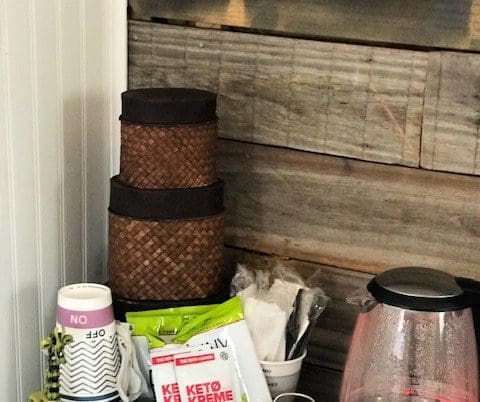
One of the easiest ways to bring warmth into a room is through natural materials. For example, wood, clay, stone, and rattan. These textures are soft on the eyes and grounding to the senses.
Try swapping out something cold and smooth (like glass or plastic) for something a little more earthy. Maybe it’s a:
- Wooden side table,
- A jute rug underfoot or
- A few hand-thrown pottery mugs on your open shelves.
Even small changes can make a difference. These materials have a quiet charm to them. They don’t scream for attention, but they make everything feel more relaxed and lived-in.
2. Consider a Feature Wall
When walls are too plain, they can make a space feel cold, even if everything else looks great. Hence, adding a feature wall is a lovely way to introduce both texture and warmth without overwhelming the room.
One beautiful and practical option is to use thin brick veneer. It gives you the charm of exposed brick without the weight, mess, or renovation-level commitment. Whether you use it behind your bed, in a hallway, or to frame a fireplace, it instantly brings depth and character to a space.
Some trusted offerings, like Brick My Walls Thin Bricks, are made specifically for this kind of project. They’re lightweight, easy to install, and come in warm, natural colors that work with everything from modern to rustic styles. It’s a small change with a big impact. Moreover, it is a great way to make your home feel more grounded and inviting.
3. Add Layers with Fabrics and Soft Stuff
Pillows, blankets, curtains, rugs, etc., are not just there to look pretty. They are what make a room feel soft, warm, and easy to sink into.
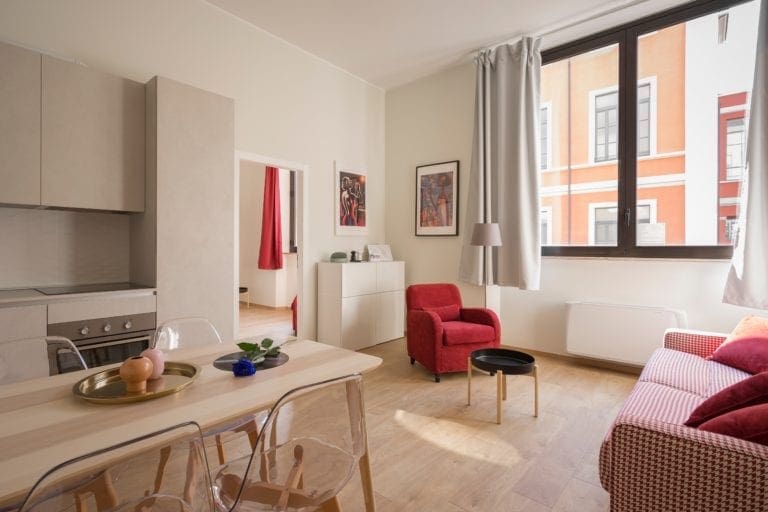
When adding fabrics, think about variety. Mix different textures like chunky knits, velvet, linen, or wool. A smooth cotton sofa instantly feels cozier with a cable-knit throw tossed over the armrest. A bare floor becomes more inviting with a layered rug.
Stick to a color palette that works for your space, but don’t be afraid to mix things up with textures. It’s the contrast that adds character.
Tip: You don’t need ten cushions to make the ambiance cool. Two or three, thoughtfully chosen, can do the trick.
4. Light the Room Properly
If you’re relying on one bright ceiling light, chances are your space isn’t feeling as cozy as it could.
Good lighting is all about layering. Use a mix of lamps, overhead fixtures, and even candles to create warmth and softness. Choose bulbs with a warm glow to avoid that harsh, blue-toned light that makes everything feel clinical.
A corner floor lamp, a small table light, or even fairy lights on a shelf — these small additions can completely change the mood of a room.
Bonus: Lights also play up the texture. A warm lamp casting light across a textured brick wall or a woven throw instantly creates depth and a sense of comfort.
To Sum It All Up!
Adding warmth and texture isn’t about following trends. It’s about creating a space that feels like home — lived in, loved, and welcoming. The kind of space you actually want to spend time in at the end of a long day.
Whether it’s a soft throw blanket, a new light in the corner, or a thin brick feature wall, it doesn’t take much to shift the atmosphere. It’s all about layers, natural details, and small touches that add up to something special.
In the end, your home doesn’t have to be perfect. But it should feel good. And warmth and texture are the first steps to getting there.