
Designing a Calmer Home: Tips for Peaceful Living Spaces
In today’s fast-paced world, many people are seeking serenity within their homes—places where they can relax, reset, and feel grounded. The concept of a calm home goes beyond aesthetics; it’s about creating an environment that promotes emotional well-being, reduces stress, and fosters a sense of comfort. Whether you’re designing a new space or simply refreshing your existing one, thoughtful choices in layout, color, natural elements, and even outdoor upkeep can play a vital role. In this article, we’ll explore effective tips for creating a peaceful living environment, including the often-overlooked value of lawn care in contributing to overall tranquility.
1. Simplify and Organize
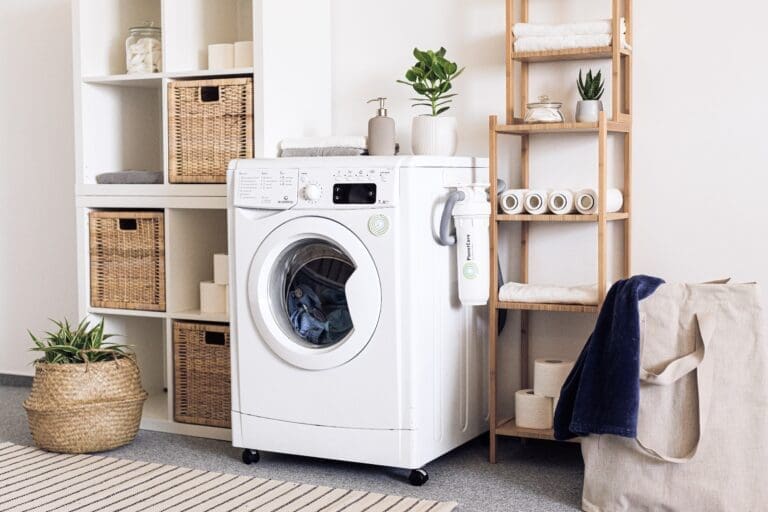
In the early stages of home design which may be called the calm home design, the elimination of visual chaos is a primary task. Clutter has a tendency to overstimulate the senses and makes spaces feel tight and uninviting. Begin by getting rid of what is no longer needed or used. Also put into practice smart storage solutions which will keep the everyday essentials out of sight and in turn leave surfaces free of mess.
Minimalism also does not have to be clinical—it is about intention. Possessions should be chosen with care so that each item either has a purpose or brings joy. Large open spaces which are clean foster clear thinking and in turn make the environment feel larger and more breathable.
2. Use Soft Color Schemes
Color study has also proven out that which colors are seen may in fact change how people feel. To create a tranquil atmosphere choose pastels—whites, beiges, light blues, soft greens. These colors do calm the nervous system and also bring to mind natural elements like the sky, sand, or foliage.
Accent colors in pastels or earthy tones bring character into the space without breaking the overall calm of the room. For a soothing atmosphere try out different pieces of furniture or walls in soft harmonizing shades which promote relaxation.
3. Embracing Natural Light
Light which is present in a room also greatly affects its feel. With hard and artificial lighting there is a shock element, on the other hand soft natural light is very uplifting and grounding. As much as possible let in the daylight into the home. Use sheers for curtains which allow light in but still give privacy. Also consider skylights or mirrors which will in turn amplify the natural light available.
In the evenings go for layered lighting which includes table lamps, floor lamps, and wall sconces that have warm toned bulbs. Also use dimmer switches which are great for changing the brightness to fit different moods throughout the day.
4. Integrate Natural Elements
Bringing the outdoors in brings peace and connection. Use wood, stone, cotton, wool, or linen to introduce a tactile warmth and a grounded feel to the space. Also these materials as they age add character which in turn gives the home a classic appeal.
Houseplants are a great way to bring the outdoors in at home. They improve air quality, add a soft element to the room and a feel of life and growth. For the very novice plant owner it is recommended to start with pothos, peace lilies, or snake plants.
5. Designate Relaxation Areas
In every home there should be a spot for relaxation. This may be a comfortable reading nook, a meditation corner, or a quiet bedroom retreat. Also keep these areas screen and noise free.
Use throw pillows, soft blankets, and scents of lavender or eucalyptus to create a retreat in these spaces. For even greater tranquility try a water feature or white noise machine that will mask out disruptive sounds.
6. Pay Attention to Sensory Experience
Peaceful living is also in the details—it is a multisensory experience. For a soft touch use rugs, cushions and throw blankets. Also try out essential oil diffusers and scented candles which will gently fill the room with a nice scent. In terms of design choose materials that absorb sound and break up echo and noise.
Note on temperature and air flow. Also good insulation, proper function of windows and choice of breathable fabrics which in turn create a comfortable indoor microclimate that is key for uninterrupted relaxation.
7. Digital Breaks Out Spaces
In almost every room there are screens which make it tough to unplug and relax. It is suggested to create tech free zones in the home which exclude phones, tablets and TVs. Bedrooms and dining areas are very good for this kind of intentional design.
Replace time in front of the screen with that of tactile activities like journaling, drawing, knitting, or reading physical books. Over time it will be seen how these practices create greater connection—both with self and loved ones.
8. Lawn Care’s Role in Creating a Peaceful Home
In most discussions of home peace what is ignored is the outdoor setting—which includes the lawn—which in fact may be the primary element that brings about that at home feeling. What is seen first when arriving home is the outlay of the front yard which in turn has a calming effect which is psychological in nature, which also reduces stress and in turn increases pride and relaxation.
Imagine walking out to a perfectly manicured lawn that is surrounded by fresh greenery, vibrant flower beds and trimmed hedges. This connection to nature is from the threshold of the home and goes inside. Also an untidy yard may add to feelings of chaos and disorganization which carries inside the home.
For homeowners who lack the time or expertise to maintain their outdoor spaces, hiring professionals can make all the difference. Top-tier lawn care companies in Pasadena like Sand D Outdoor Services provide comprehensive lawn maintenance, from mowing and fertilization to pest control and landscaping design. Their services ensure that your yard becomes a seamless extension of your serene indoor living space—an oasis where you can relax, entertain, or simply enjoy nature in peace.
A kept up green space at home does more than just improve how the home looks from the street out of sight; it also has a positive impact on the homeowner, and that in turn brings more of what is looked for in a healthy lifestyle—from the chance to do a yoga session at home to reading that great book bought to the option to have a quiet chat with a friend, all which in total add up to a greater sense of balance and well being.
9. Routine Care and Cleaning
Designing a tranquil home is a way of life which requires consistent effort. A clean and well kept space improves emotional health. Turn it into a practice to clean up every day, wash fabrics often, and give each room a deep cleaning once a season.
In notice of the little things, like repairing that squeaky door or changing out a flicker light bulb, is that the home is a stress free zone which is void of constant reminders of things left to do.
10. Personal Touches Matter
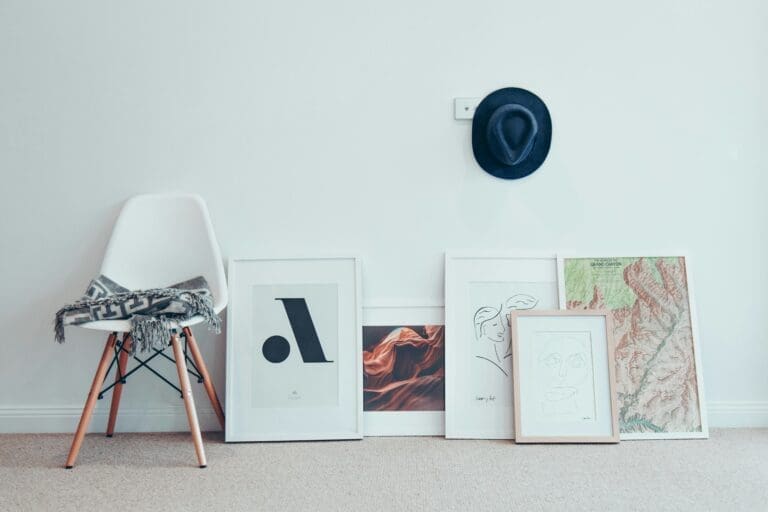
Finally, personalize the space with items that bring joy and meaning. Family photos, artwork, souvenirs from travels, or handmade crafts add character and authenticity. Just be careful not to overwhelm the space—balance is key.
A calm home reflects its residents while encouraging them to slow down, breathe deeply, and appreciate the present moment. Every element, from the colors on the walls to the care of the front lawn, should serve a purpose in building the ideal sanctuary.
Conclusion
Designing a calmer home doesn’t require a complete overhaul—just mindful adjustments that align the space with emotional needs. Start by simplifying surroundings, embracing nature, and investing in consistent maintenance both inside and out. And remember, outdoor spaces matter just as much as interiors. By partnering with reliable lawn care companies in Pasadena, the home’s peaceful energy begins the moment one steps onto the property.
Let the home become more than just a place to live—let it be a personal retreat from the noise of the world.
Similar Posts:
- How to Create a Stunning Small Bedroom on a Tiny Budget: A Money-Saving Guide
- Creating a Zen Space at Home: Design Ideas for Serenity
- Creating a Relaxing Home Sanctuary: Tips and Essentials
- How Natural Light Can Improve Mood and Family Wellness
- Thoughtful Home Ideas That Bring Comfort, Connection, and Joy