How General Dentistry Sets The Stage For Smile Makeovers

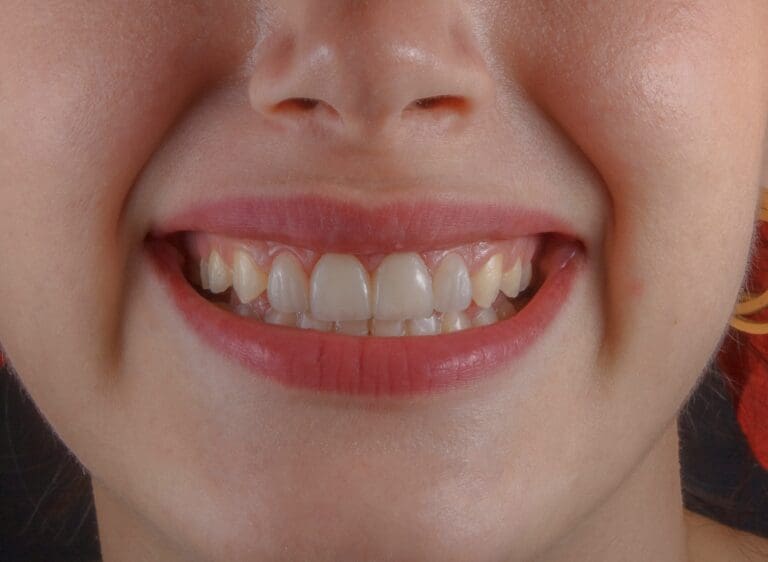
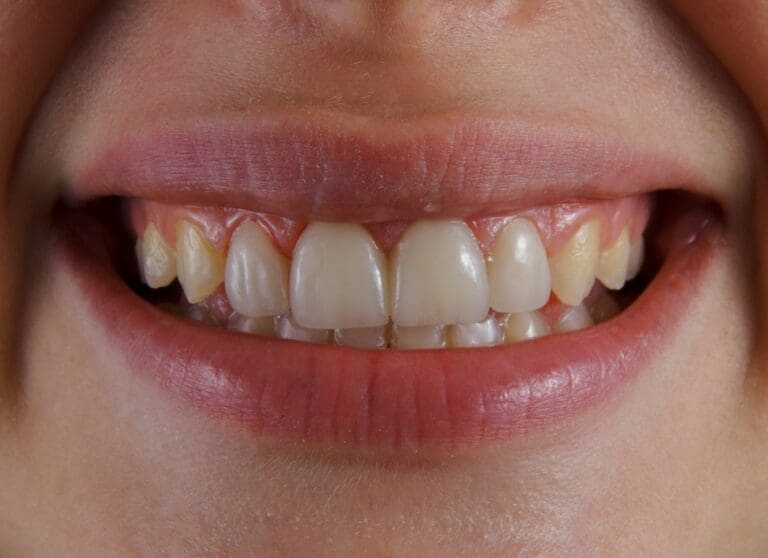
Your smile tells people how you feel before you say a word. If you want a smile makeover, you must start with a strong base. General dentistry gives that base. It finds silent tooth decay. It calms swollen gums. It fixes bite problems that can break new work. Without this step, cosmetic treatment may crack, stain, or fail early. Routine cleanings remove hard buildup that hides problems. Careful exams catch small issues before they spread. Simple fillings and gum treatment protect the roots of your teeth. Then whitening, veneers, or bonding have a clean, steady surface. Fairfield dental care uses this approach to protect both health and appearance. You learn what your mouth needs, what comes first, and what can wait. That order reduces pain, cost, and fear. It also gives you a smile that feels strong, not fragile.
Why Healthy Teeth Must Come First
Cosmetic work can only sit on what you already have. If that base is weak, every new step risks failure. You might not feel pain. You might not see damage in the mirror. Yet decay, infection, and bone loss can grow in silence.
General dentistry focuses on three core goals.
- Stop disease such as tooth decay and gum infection
- Restore broken or worn teeth so you can chew safely
- Protect your mouth from future damage
Once these are in place, a smile makeover becomes safer and steadier. You avoid surprise toothaches during whitening. You lower the risk that a veneer falls off because the tooth beneath it is weak.
The Centers for Disease Control and Prevention explains that untreated decay and gum disease can lead to tooth loss and pain. You protect yourself from that outcome when you fix problems before you focus on looks.
What General Dentistry Includes
General dentistry covers many common services. Each one plays a clear role in a smile makeover plan.
- Checkups. Regular visits let your dentist track changes in your teeth and gums.
- Cleanings. Professional cleanings remove plaque and hard tartar that brushing leaves behind.
- Fillings. Tooth colored fillings fix small cavities and keep them from spreading.
- Root canal treatment. This treatment saves infected teeth so you do not lose them.
- Crowns. Caps cover weak or cracked teeth and bring back shape and strength.
- Gum care. Deep cleanings treat gum infection and protect the bone that holds your teeth.
Each step builds stability. Then, future whitening, bonding, or veneers rest on teeth that are clean and strong.
General Dentistry Versus Cosmetic Dentistry
You may wonder where general care stops and cosmetic work starts. Both matter. They simply have different main goals.
| Type of care | Main goal | Common examples | Best time to use |
|---|---|---|---|
| General dentistry | Protect health and function | Checkups, cleanings, fillings, crowns, gum treatment | Before and during any makeover plan |
| Cosmetic dentistry | Improve color and shape | Whitening, bonding, veneers, some orthodontic work | After disease and infection are under control |
You do not need to choose one or the other. Instead, you place them in the right order. First, protect health. Then refine looks.
How Checkups Shape Your Smile Makeover Plan
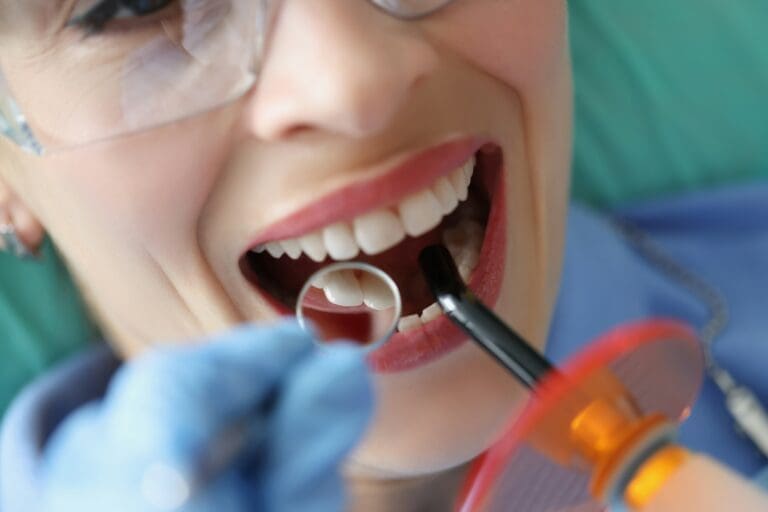
A strong makeover plan does not start in front of the mirror. It starts in the exam chair. During a routine visit, your dentist can
- Review your medical and dental history
- Look for decay, cracks, and worn fillings
- Measure gum pockets and signs of infection
- Check your bite and jaw movement
- Order X rays when needed to see roots and bone
This information shows what must come first. For example, a deep cavity always comes before whitening. Gum infection always comes before veneers. That order may feel slow. Yet it saves teeth that you might lose if you skip steps.
The National Institute of Dental and Craniofacial Research notes that early decay can be stopped or reversed. Regular visits give you that chance before damage grows.
Preventive Care That Protects Your Future Smile
Prevention is quiet. You may not feel a reward after a cleaning or fluoride treatment. Still the payoff shows up later when your smile makeover lasts longer.
Three simple habits support your dental work.
- Brush twice each day with fluoride toothpaste
- Clean between teeth daily with floss or other tools your dentist suggests
- Visit the dentist on the schedule set for your risk level
Some people need cleanings every three months. Others can wait six months. Your dentist will guide you based on your mouth, not on guesswork.
How General Dentistry Saves Money And Stress
Skipping general care can feel like a way to save time and money. The result is often the opposite. When you place new cosmetic work on teeth with hidden problems, you may pay twice. First for the cosmetic work. Then again to repair what failed.
General dentistry lowers this risk in three ways.
- It catches problems early when treatment is smaller and less costly.
- It extends the life of cosmetic work by keeping the base healthy.
- It reduces emergency visits that bring surprise bills and missed work.
You gain more control. You can plan treatment in stages. You can spread costs over time. You can choose what matters most to you and your family without panic.
Building A Smile That Lasts
A bright smile can lift your mood, your confidence, and your daily life. Yet true change does not come from a single whitening visit. It comes from steady care that guards your mouth year after year.
General dentistry gives you that steady guard. It strengthens your teeth. It calms your gums. It keeps your bite working. Then cosmetic work can add the final polish with less risk and less fear.
When you think about a smile makeover, start with one clear step. Schedule a general dental checkup. Ask what your mouth needs to be safe for cosmetic change. Then move forward in order. Your future smile will not just look bright. It will feel secure every time you use it.