4 Preventive Strategies Family Dentists Encourage To Protect Your Smile

You might be feeling a little guilty every time you sit in the dental chair and hear the same questions. “How often are you brushing? Are you flossing every day?” Maybe you brush most nights, floss when you remember, and hope it is enough. Then a small cavity shows up on your child’s X-ray at your Georgetown TX dentist, or your own gums bleed when you spit, and it hits you. This is starting to add up.end
It can feel frustrating. You are trying to take care of your family, you are juggling work, school, and life, and now you are supposed to master dental prevention, too. Because of that tension, you might wonder if family dentists are asking for perfection, or if there are a few clear strategies that would actually change things.
There are. The heart of preventive strategies family dentists encourage is simple. Control plaque, control sugar, protect the teeth, and catch problems early. When you focus on those four areas in a realistic way, you lower your risk of cavities and gum disease, you save money on future treatment, and you avoid a lot of pain and stress for yourself and your family.
Why does prevention feel so hard when you already know you “should” brush and floss?
Most people know the basics, yet dental problems are still very common. That disconnect is what creates so much stress and shame. You might think, “I know better, so why am I still getting cavities?” The truth is, tooth decay is a disease process, not a simple mistake, and it builds slowly over time.
Tooth decay starts when bacteria in plaque feed on sugars and starches in your food. They produce acids that attack the tooth surface. Over time, those repeated “acid attacks” pull minerals out of the enamel. The National Institute of Dental and Craniofacial Research explains this step by step in its overview of the tooth decay process. If nothing interrupts that cycle, a weak spot in the enamel becomes a full cavity.
So, where is the problem? The problem usually sits in the small gaps between what you intend to do and what actually happens every day. You mean to brush for two minutes, but you are tired and rush through it. Your child means to floss, but the floss hurts, so they skip it. You plan to cut back on sugary drinks, but the afternoon slump hits, and soda feels like the quickest fix.
Family dentists see this pattern all the time. When it is not addressed, the emotional and financial impact grows. A small cavity that could have been reversed with fluoride and better habits turns into a filling. That filling can later become a crown. Each step costs more time and money, and it also chips away at your confidence and comfort.
So, where does that leave you? It means you do not need more guilt. You need a short, realistic set of strategies that match how life actually works for you and your family.
What are the 4 preventive strategies dentists truly care about?
Family dentists focus on four main areas when they talk about prevention. You might hear different words in the office, but they all come back to these core ideas.
1. Daily plaque control that you can actually keep up with
Brushing and flossing sound basic, yet they are the foundation. The Centers for Disease Control and Prevention offers simple oral health tips for adults, and they all start with brushing twice a day with fluoride toothpaste. The goal is not a perfect technique. The goal is consistency.
Flossing is the part that most people skip, but plaque between teeth is exactly where many cavities start. The American Dental Association’s MouthHealthy site explains how to make flossing more comfortable and effective in its guide on how to floss properly. If traditional floss is a struggle, water flossers or floss picks can still remove plaque and make the habit easier to maintain.
2. Smart use of fluoride and sealants to strengthen teeth
Fluoride is not just in toothpaste. It can be applied in stronger forms at the dental office through varnishes or gels. These treatments help “remineralize” early weak spots in enamel before they turn into cavities. For children and some adults, thin plastic coatings called sealants can also be placed on the chewing surfaces of back teeth to block food and bacteria from settling in deep grooves.
These measures are part of what many family dentists call a preventive care plan with your general dentist. They are quick, painless, and far less expensive than treating advanced decay.
3. Knowing your personal and family cavity risk
Not everyone has the same risk for tooth decay. Diet, medical conditions, medications that cause dry mouth, and even family history can all raise or lower your chances. The American Academy of Pediatric Dentistry has a detailed professional guideline on caries risk assessment. It is written for dentists, but the idea is simple. If your risk is higher, you need stronger and more frequent prevention.
For example, a child who snacks on sticky sweets all day and sips juice between meals will likely need more fluoride exposure and more frequent checkups than a child who mainly drinks water and eats sweets only with meals. The same is true for adults with dry mouth or diabetes. Once you know your risk, you can target your efforts instead of guessing.
4. Regular checkups to catch small problems early
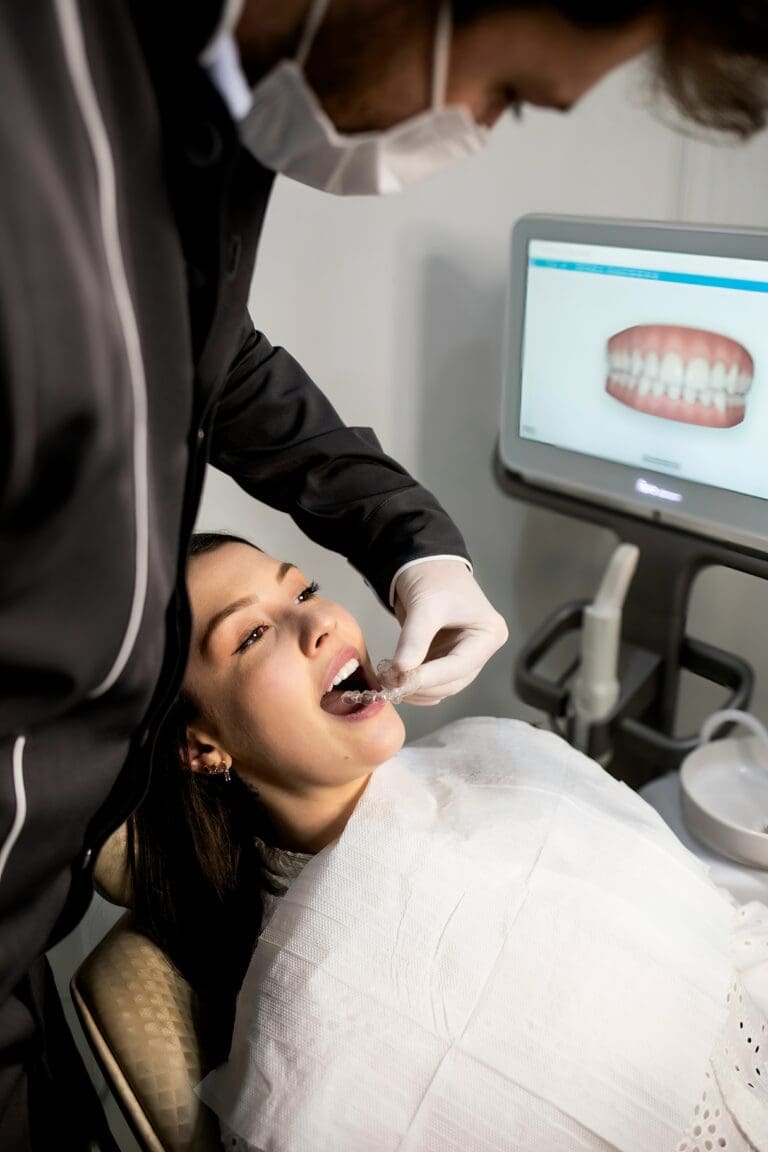
Even with great home care, plaque can harden in hard-to-reach areas. Early gum inflammation and tiny cavities are easy to miss at home, especially if they do not hurt yet. Routine visits with a general dentist allow small problems to be treated when they are still simple and inexpensive.
These visits are not just about cleaning. They are a chance to update your risk level, adjust your prevention plan, and ask specific questions about your habits, your child’s routine, or any new discomfort.
How do these preventive strategies compare in real life?
You might be wondering how much difference these steps really make day to day. The table below offers a simple comparison of two common paths that family dentists see over several years.
| Approach | Typical Habits | Likely Outcomes Over 5 Years | Estimated Impact |
|---|---|---|---|
| Minimal prevention | Brushing once a day, rare flossing, sugary drinks or snacks between meals, irregular checkups only when something hurts | Multiple small to medium cavities, early gum disease, possible toothaches or infections | Higher treatment costs, more emergency visits, missed school or work, more dental anxiety |
| Focused prevention using 4 key strategies | Brushing twice a day with fluoride, daily flossing or water flosser, limited snacking on sweets, regular checkups, fluoride treatments or sealants if advised | Fewer or no cavities, healthier gums, problems found early when they are small | Lower long-term costs, fewer painful episodes, more confidence at the dentist |
This comparison is general, of course, but it reflects what many families experience. Small, steady habits combined with regular care from your family dentist can shift you from constant “firefighting” to calm maintenance.
What can you do this week to put these strategies into practice?
You do not need to overhaul everything overnight. A few focused changes can start moving you toward the kind of preventive family dental care that actually fits your life.
1. Choose one simple habit upgrade for home care
Pick one change that feels realistic for the next 30 days. For example, you might decide that everyone in the family will brush for a full two minutes every night. Use a timer on your phone or a brushing app for kids. Or you might decide that flossing will happen right after dinner when you are not as tired.
By choosing one clear upgrade instead of trying to “be perfect,” you give yourself a better chance of success, and you build momentum.
2. Look honestly at sugar and snacking patterns
Scan your day and your child’s day. Where are the frequent sips or bites that bathe the teeth in sugar, like juice boxes, sports drinks, sweetened coffee, or candies, in between meals? Try to move sweets into mealtimes, when extra saliva helps wash away acids, and keep water as the main drink between meals.
This one shift reduces the number of acid attacks on the teeth, which is a core part of every dentist’s prevention advice.
3. Schedule a preventive visit and ask specifically about your risk
If it has been more than six months since your last checkup, schedule a visit and treat it as a planning session, not just a cleaning. Tell your dentist about your brushing, flossing, and diet habits, and ask where you or your child falls on the cavity risk spectrum.
Ask if fluoride treatments, sealants, or more frequent cleanings would make sense for your situation. When you walk out with a clear, personal plan, it is much easier to know which habits matter most for you.
Moving forward with more confidence and less guilt
You do not have to be perfect to protect your teeth. You just need a few solid preventive strategies, repeated often enough that they become part of your family’s routine. When you understand how tooth decay really happens, when you use fluoride and sealants wisely, when you know your risk, and when you keep up with regular visits, you give yourself and your family a strong foundation for a healthier smile.
The next step is simple. Choose one small change for home care, look honestly at sugars and snacks, and put a preventive visit with your general dentist on the calendar. Each step you take now is one less emergency, one less painful tooth, and one less hard conversation in the future.