Why Bleeding Gums Shouldn’t Be Ignored
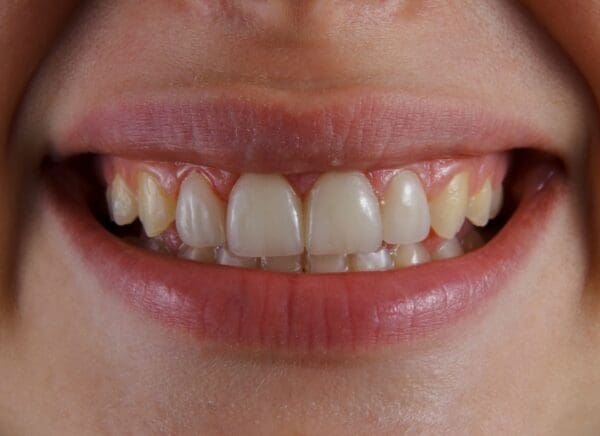
Bleeding gums are common, but they are not something to brush off. While occasional irritation can result from brushing too aggressively or starting a new flossing routine, gums that bleed regularly may signal inflammation, infection, or early gum disease.
For many adults, gum problems develop slowly and without much pain at first. That is why paying attention to early warning signs and knowing when to see a dentist in Glendale can make a meaningful difference in protecting long-term oral health.
What Causes Gums to Bleed?
Gums usually bleed when the tissue is irritated or inflamed. The most common cause is plaque buildup along the gumline. Plaque contains bacteria that can trigger inflammation, making the gums red, swollen, tender, or more likely to bleed during brushing and flossing.
Other possible causes include brushing too hard, using a toothbrush with firm bristles, flossing inconsistently, hormonal changes, tobacco use, dry mouth, certain medications, and medical conditions that affect healing or blood clotting.
When Bleeding Gums May Be a Sign of Gingivitis
Gingivitis is the earliest stage of gum disease. It occurs when plaque and bacteria irritate the gum tissue. Common signs include bleeding during brushing, mild swelling, redness, tenderness, and persistent bad breath.
The good news is that gingivitis is often reversible with professional cleaning and improved home care. However, if it is ignored, inflammation can progress below the gumline and lead to more serious periodontal disease.
Why Gum Disease Can Become Serious
When gum disease advances, the gums may begin to pull away from the teeth, creating pockets where bacteria can collect. Over time, this can damage the bone and tissue that support the teeth.
Advanced gum disease can lead to gum recession, loose teeth, bite changes, chronic bad breath, chewing discomfort, and eventual tooth loss. The Centers for Disease Control and Prevention (CDC) reports that nearly half of adults aged 30 and older show signs of gum disease, making routine screening an important part of dental care. Because symptoms often remain mild until the condition is well advanced, early detection through regular dental visits is essential.
At-Home Habits That Help Protect Gum Health
Daily oral hygiene plays a major role in preventing and managing bleeding gums. Brushing twice a day with a soft-bristled toothbrush can remove plaque without irritating the tissue. Flossing once a day helps clean between teeth where a toothbrush cannot reach.
Patients may also benefit from antimicrobial mouth rinses, interdental brushes, water flossers, or an electric toothbrush. The best tools depend on the shape of the teeth, spacing, gum condition, and comfort level.
When to Schedule a Dental Visit
Bleeding gums that continue for more than a week or two should be evaluated by a dental professional. It is also important to schedule care if bleeding is accompanied by swelling, pain, gum recession, bad breath, loose teeth, or sensitivity.
For individuals looking for a dentist in Glendale, choosing a provider who evaluates gum health as part of routine care can help identify problems early and recommend the right treatment before symptoms worsen.
What to Expect During a Gum Health Evaluation
A dental team may examine the gums, measure periodontal pockets, review X-rays, and check for plaque or tartar buildup. These steps help determine whether bleeding is related to mild irritation, gingivitis, or more advanced gum disease.
Treatment may include a professional cleaning, improved home-care guidance, deep cleaning, antimicrobial therapy, or more frequent maintenance visits, depending on the severity of the condition.
The Link Between Gum Health and Overall Wellness
Gum health does not exist in isolation. Inflammation in the mouth can affect comfort, nutrition, and quality of life. Research has also explored connections between periodontal health and broader health concerns, making prevention and early treatment even more important.
Maintaining healthy gums supports chewing, speech, tooth stability, and confidence. A dentist in Glendale can help patients understand their individual risk factors and create a care plan that supports both oral health and overall well-being.
About the Contributor
Family & Cosmetic Dental PLLC is led by a dentist in Glendale, AZ, providing preventive, cosmetic, and restorative dental care.