Why Healthy Gums Are The Foundation Of Successful Implant Dentistry
Healthy gums decide if dental implants last or fail. You might focus on the tooth you lost. Yet the real story sits in the pink tissue that holds every tooth and every implant in place. When gums are swollen, tender, or pull back, bone starts to shrink. Then implants lose support. Strong implants need calm gums, clean pockets, and steady bone. That work starts before surgery, not after. A periodontist Long Island studies your gums closely, treats infection, and shapes the tissue so an implant can join with bone and stay firm when you chew. This care also protects your heart, blood sugar, and breathing. Gum disease does not stay in your mouth. It spreads stress through your whole body. When you protect your gums, you protect your implant and your health at the same time.
How Gum Health Controls Implant Success
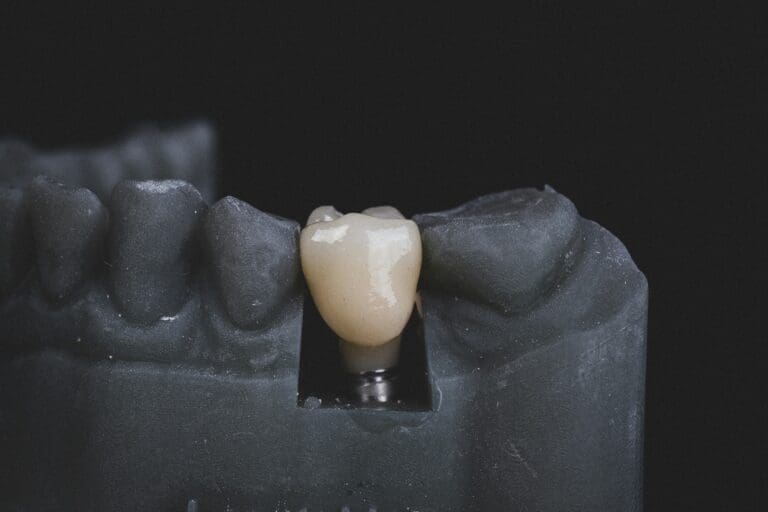
Dental implants act like roots. They need strong support from bone and gum. If gums are sick, bacteria reach the bone. Then the bone breaks down. The implant starts to move. Pain, bad taste, and loose hardware follow.
Three simple facts guide every implant plan.
- Clean gums heal faster after surgery.
- Thick, firm tissue holds the implant collar tight.
- Stable bone stays higher around the implant for many years.
The American Dental Association explains that gum disease is a common cause of tooth loss. It also raises the risk of trouble for implants.
What Happens When Gums Are Not Ready
Unhealthy gums feel sore and bleed when you brush. They may look puffy or dark red. You may notice bad breath that does not clear with toothpaste. These are signs of infection. If you place an implant in that setting, the risk of failure rises.
Common problems include three outcomes.
- Slow healing and more pain after surgery.
- Early bone loss around the implant.
- Need to remove the implant and start over.
Research shared by the National Institute of Dental and Craniofacial Research links gum infection with bone loss and tooth loss.
Healthy Gums Help Your Whole Body
Your mouth connects to your blood and lungs. When gums bleed, bacteria move into the bloodstream. That movement can raise strain on the heart and blood vessels. It can also affect blood sugar control for people with diabetes.
Strong gums support three parts of health.
- Heart. Less swelling in the gums is linked with lower strain on the heart.
- Metabolism. Better gum care supports stable blood sugar.
- Breathing. Clean gums lower the number of germs you breathe into your lungs.
When you treat your gums before implants, you do not just guard the new tooth. You calm stress through your body.
Comparing Healthy And Unhealthy Gums For Implants
The table below shows how gum health changes your implant journey.
| Factor | Healthy Gums | Unhealthy Gums |
|---|---|---|
| Tissue look and feel | Pale pink, firm, no bleeding | Red or purple, puffy, bleeding |
| Bone support | Stable height around roots | Ongoing bone loss |
| Infection risk after implant | Low with good home care | High, frequent soreness and pus |
| Healing time | Short and steady | Long, with setbacks |
| Chance the implant lasts many years | High | Reduced |
| Impact on heart and blood sugar | Lower strain | Higher strain |
How A Gum Specialist Prepares You For Implants
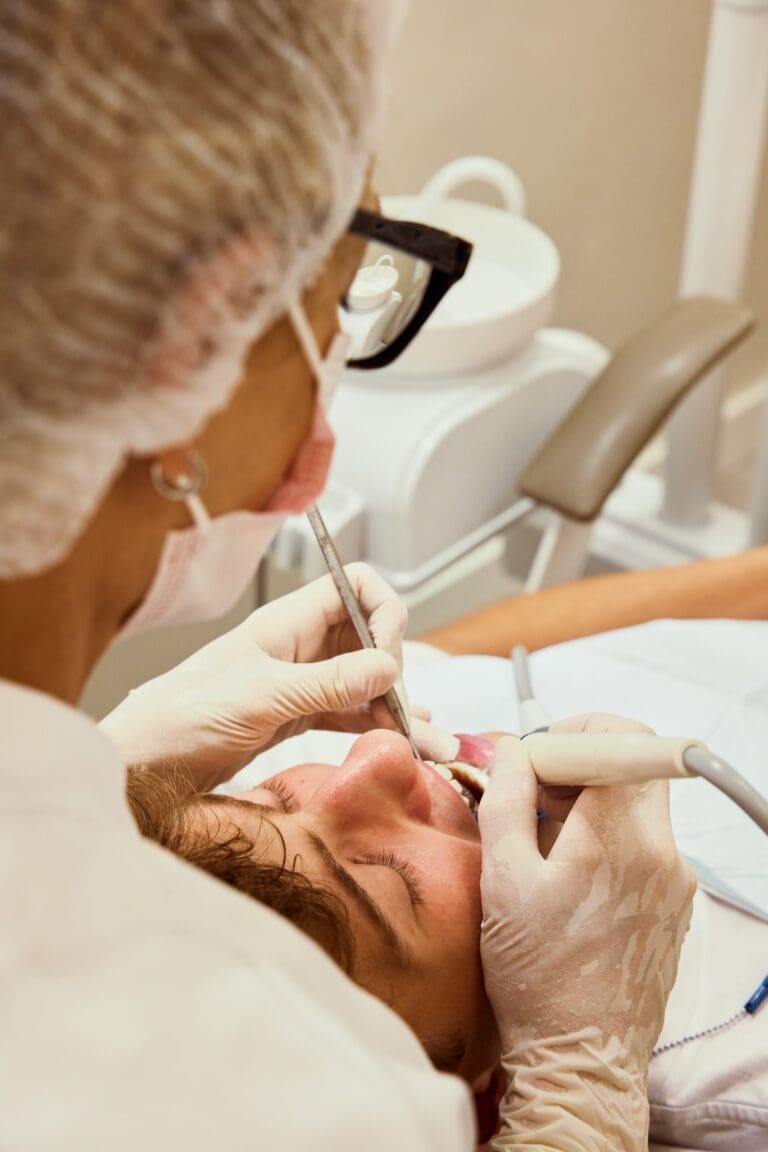
A gum specialist checks three things before any implant plan. These are pocket depth, bone level, and tissue thickness. Simple tools and X-rays give clear answers.
Care often follows this pattern.
- Deep cleaning to clear plaque and tartar under the gum line.
- Targeted antibiotics when infection runs deep.
- Gum or bone grafts when tissue needs more strength.
Only when gums look calm, and pockets shrink, does implant surgery make sense. That timing gives the new root a clean place to heal.
Your Daily Role In Protecting Implants
Doctors play one part. You play the other part at home every day. Clean gums do not happen by chance. They grow from habit.
Three basic steps protect your gums and implants.
- Brush twice each day with a soft brush for two minutes.
- Clean between teeth and around implants with floss or small brushes.
- See your dental team at least twice a year for checks and cleanings.
If you smoke, quitting is one of the strongest choices you can make for implant success. Tobacco slows blood flow and healing. It also raises the rate of implant loss.
When To Ask About Your Gums
If you think about implants, start with a gum check. Ask for a full exam with pocket readings and X-rays. Ask clear questions about bone levels and gum strength. Ask if any treatment is needed before placing an implant.
When you put gum health first, you gain three outcomes. You raise the chance your implant stays strong. You cut the risk of pain and repeat surgery. You also guard your heart, blood sugar, and breathing. Healthy gums are not a detail. They are the base that holds your smile and your strength in place.