How Florida Homeowners Can Prepare Their AC Units for Hurricane Season
Living in Florida means enjoying beautiful weather year-round, but it also means preparing for the inevitable reality of hurricane season. For homeowners across the state, safeguarding your property goes far beyond simply boarding up windows, buying bottled water, and stocking up on emergency supplies. One of the most critical, yet frequently overlooked, components of comprehensive hurricane preparation is securing your air conditioning system.
When a major storm hits, your HVAC system is exposed to extreme elements. Taking the time to prepare your unit before the high winds and heavy rains arrive can mean the difference between a quick return to comfort and facing thousands of dollars in unexpected replacement costs.
Why Your AC Needs Dedicated Hurricane Prep
Your home’s air conditioning system is a significant financial investment and an absolute necessity for maintaining comfort and safe indoor air quality in the sweltering Florida heat. During a hurricane, high winds, flying debris, localized flooding, and severe power surges pose massive threats to both the outdoor condenser unit and the sensitive internal electrical components.
Many homeowners assume that because the outdoor unit is built to withstand rain, it can naturally survive a hurricane. However, hurricane-force winds can turn everyday yard items into destructive projectiles, and storm surges can submerge critical electrical parts. Proactive steps are required to prevent catastrophic damage.
Step 1: Secure the Outdoor Condenser Unit
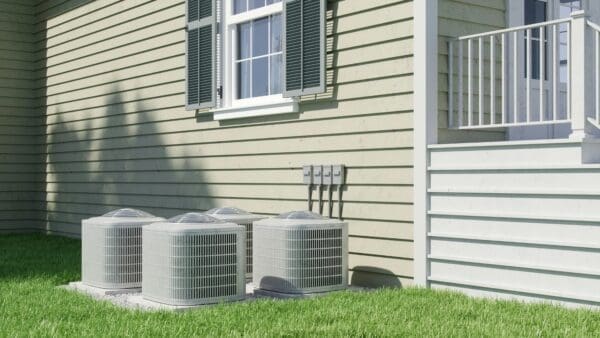
The outdoor condenser is highly vulnerable to extreme weather. First, ensure the unit is firmly anchored to its concrete pad. Over time, the bolts securing the unit can rust or loosen. Check them thoroughly and tighten or replace them as needed. If you live in a flood-prone coastal area, you might want to consult a professional about elevating the concrete pad entirely.
Additionally, you can use hurricane straps or specialized tie-downs to provide extra stability against gale-force winds. Just as importantly, clear the surrounding area. Remove any loose items from your yard, such as patio furniture, potted plants, children’s toys, and garden tools. In a Category 3 or higher storm, these items can easily become dangerous projectiles that can smash into your condenser coils.
Step 2: Protect Against Flying Debris
Flying debris can easily dent the delicate condenser coils or bend the internal fan blades, severely restricting airflow and ruining the unit’s efficiency. While you should never wrap the unit tightly in a plastic tarp—which can trap moisture, encourage mold growth, and cause internal rusting—there are safe ways to protect it.
You can use a specially designed, breathable AC cover that allows moisture to escape while deflecting debris. Alternatively, securing a piece of heavy-duty plywood over the top of the unit can protect the fan grille from falling tree branches and heavy hail. Just remember to remove any coverings immediately after the storm passes before turning the unit back on.
Step 3: Manage Electrical Power Surges
Power outages and severe electrical surges are incredibly common during and immediately after severe storms. A massive power surge when the local electricity grid is restored can instantly fry your AC’s compressor, blow out the capacitors, or destroy the main circuit boards.
The safest and most effective approach is to turn off the power to your AC unit completely at the main breaker box before the storm hits. Do not rely solely on the thermostat to turn it off. For added defense year-round, consider having an electrician install a whole-home surge protector, which acts as a vital shield for all your major appliances.
Step 4: Schedule Pre-Season Professional Maintenance
The absolute best time to prepare your cooling system is before a named storm is even on the radar. Having a licensed professional inspect your system ensures it is running at peak efficiency and helps identify any loose parts, frayed wiring, or existing vulnerabilities that a storm could easily exacerbate.
If you need reliable HVAC services Daytona Beach, partnering with a trusted local contractor ensures your system is thoroughly storm-ready. Establishing a relationship with a local expert also means you are more likely to receive priority service if emergency repairs are needed in the chaotic aftermath of a hurricane.
After the Storm: Safe Restart Procedures
Once the hurricane has safely passed and local authorities give the all-clear to go outside, carefully inspect your AC unit before restoring power. Look for visible physical damage, heavy debris lodged in the fan grille, or signs of flooding and mud around the base.
If the unit was submerged in standing water, do absolutely nothing—do not turn it on. Call a professional immediately, as water and electricity are a deadly combination. If the unit looks completely clear and dry, you can safely restore power at the breaker. Monitor the system closely for the first few hours, listening for any unusual grinding noises or performance issues.
By taking these proactive, preventative steps, Florida homeowners can effectively protect their valuable HVAC investments, minimize the risk of post-storm breakdowns, and ensure a quick, safe return to cool comfort after a hurricane.