Understanding Termites: The Silent Destroyers of Homes
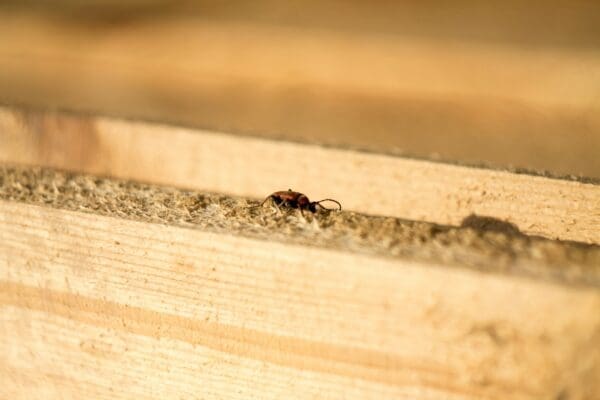
Unlike many other pests, these tiny insects operate quietly, often hiding inside walls, under floors, or within wooden structures. Despite their small size, termites can cause extensive damage to a home’s structure long before anyone realizes they are present. Understanding termites’ behavior, warning signs, and prevention strategies is important for maintaining your home’s integrity and avoiding costly repairs. Scheduling a termite inspection for real estate is crucial for identifying hidden infestations and protecting homes from the costly damage these silent destroyers can cause.
What Are Termites?
Termites are insects that live in colonies, which can range from a few thousand to several million individuals, depending on the species. Their diet mainly consists of cellulose, a component found in wood, paper, and plant-based materials. While they play an important ecological role in breaking down dead trees and recycling nutrients, termites can become a major threat when they invade homes. Professional termite control services are essential for detecting and eliminating hidden termite colonies before they cause serious structural damage to your home.
The most common species that affect households include subterranean, drywood, and dampwood termites. Subterranean termites build tunnels through soil to reach wooden structures, while drywood termites can live entirely inside wood without soil contact. Dampwood termites prefer damp or decaying wood and are often found in areas with excessive moisture. Each type requires a different approach to detection and control, making professional inspections crucial.
Why Termites Are a Serious Threat
Termites are dangerous because they can go unnoticed for long periods. Unlike ants or rodents, termites leave few visible signs as they slowly weaken wooden structures. By the time you notice damage such as hollow wood, sagging floors, or cracks in walls, a colony may have been feeding in your home for years. This delayed detection often results in costly repairs.
In addition, termite colonies reproduce rapidly. A single queen can lay thousands of eggs each year, allowing colonies to grow quickly and expand their feeding areas. Continuous feeding can significantly weaken a home’s structure, posing safety risks and lowering property value.
Common Signs of a Termite Infestation
Even though termites are secretive, there are warning signs that homeowners can look for:
- Mud Tubes: Subterranean termites build narrow tunnels made of soil and saliva along walls, foundations, or other surfaces to travel safely from the ground to wood.
- Discarded Wings: Winged termites, called swarmers, leave their colony to start new ones. After swarming, they shed their wings, which may accumulate near windows, doors, or other entry points.
- Hollow or Damaged Wood: Termites eat wood from the inside out, leaving the outer layers intact. Tapping on hollow-sounding wood can reveal potential infestations.
- Pellet-Like Droppings (Frass): Drywood termites produce small, sawdust-like droppings called frass, often found near wooden structures or furniture.
- Signs of Moisture: Dampwood termites are attracted to areas with water damage or high humidity. Wet or rotting wood in your home could attract them.
The Importance of Early Detection
Catching termite infestations early is key to minimizing damage. Regular termite inspections allow homeowners to identify and address colonies before they cause major problems. Professional termite extermination inspectors use specialized tools to locate hidden infestations in walls, floors, and foundations.
Prevention strategies recommended during inspections may include chemical treatments, termite baits, moisture management, and sealing entry points. Addressing termite activity early can save thousands of dollars in repair costs while preserving the safety and integrity of your home.
How to Prevent Termite Damage
Preventing termites requires a combination of vigilance, maintenance, and professional guidance. Here are some steps homeowners can take:
- Control Moisture: Termites thrive in damp environments. Fix leaks, improve ventilation, and maintain proper drainage around your home.
- Avoid Direct Wood-to-Soil Contact: Keep firewood, wooden structures, and debris off the ground near your home to reduce easy access for subterranean termites.
- Seal Openings: Inspect your foundation, doors, and windows for cracks or gaps that termites could use as entry points.
- Schedule Regular Inspections: Even without visible signs of termites, professional inspections at least once a year help catch infestations early.
- Invest in Professional Treatments: If termites are detected, timely termite treatments or termite extermination can eliminate colonies and prevent further damage.
Final Thoughts
Termites may be tiny, but their impact on homes can be enormous. Their quiet feeding habits allow them to destroy wood and other structural components without being detected immediately. Understanding termites, recognizing warning signs, and taking preventive action are essential for protecting your home. Regular inspections, moisture control, and professional treatment plans are key to keeping your property termite-free. Acting early is the best way to prevent these silent destroyers from causing long-term damage.