Home Repair and Maintenance Made Easy: Simple Installation and Upkeep Tips

Keeping things running well inside your home can be a challenge due to shifting weather. In Batavia, NY, winters bring freezing air, while summers raise humidity. These shifts wear down your living environment over time. Small fixes and simple updates done at the right moment can prevent long-term problems. From handling airflow issues to updating insulation or sealing areas, it’s smart to stay proactive.
Here’s how you can keep your space in good shape and avoid larger issues down the road:
Get to Know Your Home’s Age and Needs
One of the first steps to managing upkeep is knowing when your home was built and what materials it uses. Older houses may come with aging insulation, outdated wiring, or older ventilation setups. Understanding these details helps you stay one step ahead. Start with a walkthrough. Look at windows, doors, ceilings, and baseboards. Do they show cracks, feel cold, or stick when opened? Keep a seasonal checklist and update it often. Make a note of recurring issues. That helps you spot patterns and decide what needs attention next. Having this basic knowledge will guide you when it’s time to patch, replace, or call in additional help.
Get Timely HVAC Repairs
Batavia’s climate can cause your heating and cooling system to work harder than usual. Cold snaps, heat waves, and sudden humidity can make indoor comfort harder to manage. That’s why it’s important to have a team nearby that offers same-day help, seasonal inspections, and fair pricing. Local providers can offer a fast response and flexible scheduling. That’s why many turn to them for AC repair in Batavia, NY, for reliable, quick, and local needs. They offer tune-ups, full system installations, and emergency repairs all year round. Their work is backed by solid reviews and real-time updates. When cooling stops working during a heatwave, you want support fast.
Keep Gutters Clean and Water Flowing
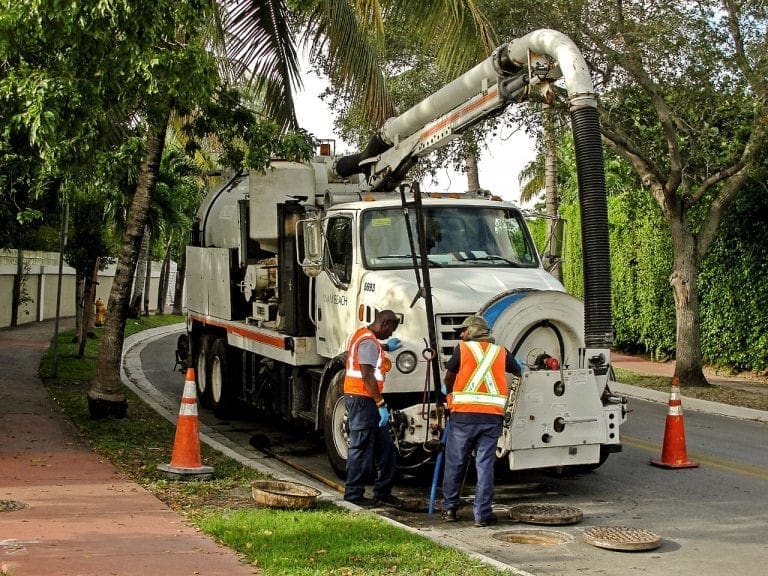
Blocked gutter channels may not seem like a big deal at first, but they can lead to much bigger problems later. When water backs up, it puts pressure on the roof’s edge and causes moisture buildup where it doesn’t belong. Twice a year—typically spring and fall—set time aside to scoop out leaves and rinse the lines with a hose. Don’t forget to check the downspouts. If water drains too close to the base, you’ll need to add extenders to direct it away. This easy chore helps reduce risks tied to leaks, mold, or pooling water. A clean system keeps everything above and below in better condition.
Update Weatherstripping and Window Seals
Drafty doors or loose window edges can cause energy bills to rise. Check around frames and baseboards for air leaks using a candle or your hand. You’ll usually feel a light breeze or notice temperature differences. If that happens, peel off the old stripping and replace it with foam or rubber seal options. A caulk gun works well for narrow cracks along trim or molding. Most of these products are inexpensive and can be installed in less than an hour. Updating seals helps heating and cooling work better. It also makes each room feel more consistent in temperature, especially when outdoor weather shifts quickly.
Learn Basic Caulking and Patching
Cracks and holes around door frames, walls, and counters tend to show up after regular wear. These small flaws can be fixed without calling for outside help. Caulk fills gaps and helps prevent drafts, while spackle smooths over holes. Use painter’s tape to outline the area before applying the product, so lines stay neat. After it dries, sand it lightly, then paint for a clean finish. You’ll find kits at most hardware shops that include everything needed. These touch-ups might seem minor, but they keep surfaces clean and stop things from getting worse. A few minutes spent here saves you more later on.
Know When to Replace or Fix Major Items
It’s common for large items like appliances or heating units to wear out after years of use. But how do you know when to replace them? Start by checking how old they are. Most dishwashers, washers, and dryers last about 10–15 years. If something keeps breaking down or uses too much power, it may be time for an upgrade. Still, a simple fix like replacing a belt or sensor can sometimes buy you more time. Look for odd noises, leaks, or poor performance. Don’t rush into buying new gear unless it’s truly needed. If unsure, talk to someone who offers a quick inspection before committing to anything expensive.
Fix Small Leaks Before They Get Worse
Leaks often begin as slow drips under sinks, near hoses, or at shut-off valves. You might not notice them until they leave water spots or cause mold. Keep an eye out for dampness or discoloration under cabinets or along baseboards. A loose washer or worn fitting is usually to blame. Shut off the water supply, then replace parts as needed. If the problem returns, something deeper could be wrong. Quick fixes can prevent wood swelling, stains, or worse. Even if the leak seems harmless, it should never be ignored. Taking action early keeps things dry and prevents more costly damage over time.
Stay Safe with Regular Electrical Checks
Electrical problems can start quietly—flickering lights, warm outlets, or tripped circuits. These shouldn’t be brushed off. Begin with what you can see. Make sure cords aren’t frayed and avoid using overloaded strips. If a light keeps dimming or a breaker shuts off repeatedly, that’s a warning sign. Only work on items you’re confident handling, like swapping light switches or outlets. For anything more, call someone licensed and qualified. It’s not worth guessing when safety is involved. Regular checks keep things running right and lower fire risk. You don’t need fancy tools—just basic knowledge and attention to changes around the house.
Build a Seasonal Checklist to Stay Organized
Keeping up with everything doesn’t need to feel overwhelming. A basic checklist organized by season makes it easier to handle tasks in small steps. Divide the year into quarters—early spring, summer, fall, and winter. List out things like changing filters, checking seals, cleaning vents, or clearing debris. Each season comes with different challenges, so make your checklist reflect what your area goes through. Use a note app or print out your list and tape it inside a cabinet door. This system keeps small issues from being forgotten. Over time, it helps you keep things efficient, safe, and free of unwanted surprises.
Taking care of your living space doesn’t mean spending every weekend working. Small efforts make a big impact, especially when done before problems grow. Whether you’re fixing a loose seal, clearing out drain paths, or swapping filters, you’re protecting your comfort and time. Knowing when to act and where to find help adds peace of mind. With each season, stay alert to changes around you. The sooner you handle small issues, the less likely they’ll become big ones. A little attention now helps things run smoother later, and makes your living space more reliable year-round.