Unseen Elements That Shape a Peaceful Home: Light, Air, and Silence

Modern life is brimming with activity, noise, and interruptions. The home, traditionally a refuge, is increasingly under siege from the chaos outside. Yet, a truly peaceful home isn’t merely built with bricks, mortar, or good taste—its essence lies in the subtle elements that often go unnoticed: the dance of natural light across a room, the quality of air circulating through hallways, and the calming hush of a silent space. These unseen factors are the invisible architecture of serenity, anchoring mental well-being, emotional balance, and physical comfort.
Architects and designers often focus on what can be seen—colors, furniture, floor plans. However, those with deeper insight understand that the experience of a space extends far beyond its physical components.
The interplay between light, air, and silence is what breathes life into the skeleton of a house, converting it into a sanctuary. Whether in a quiet countryside retreat or a suburban home in Sharonville, OH, each of these elements contributes silently, yet profoundly, to shaping the daily moods, rhythms, and experiences of its inhabitants.
Optimizing Indoor Climate: A Pillar of Domestic Tranquility
Indoor air quality and temperature regulation often dictate more than just physical comfort—they determine mood, focus, and even interpersonal dynamics. A home that’s too cold, humid, or poorly ventilated can quietly sabotage peace without its residents realizing the root cause. A well-maintained HVAC system ensures not only comfort but also the continuity of a healthy atmosphere.
Air conditioning systems, in particular, play a pivotal role in maintaining balance across seasons. But like all mechanical systems, they wear down with time. Issues may arise subtly—uneven cooling, odd noises, or rising energy bills—yet their impact on household peace is significant.
Addressing such concerns promptly is essential. For those in need of professional maintenance and repair, there are options for AC repair in Sharonville, OH, ensuring homes continue to enjoy clean, climate-controlled air that supports a calm living environment.
Filtration within HVAC systems also affects respiratory health, cognitive clarity, and sleep quality. Filters clogged with dust or mold release irritants into the air, undermining health and serenity. Quiet operations, energy efficiency, and even zonal climate control enable occupants to tailor their comfort by room, time of day, or personal preference. As such, temperature regulation isn’t merely a matter of convenience—it is a foundational aspect of domestic well-being.
The Transformative Power of Natural Light
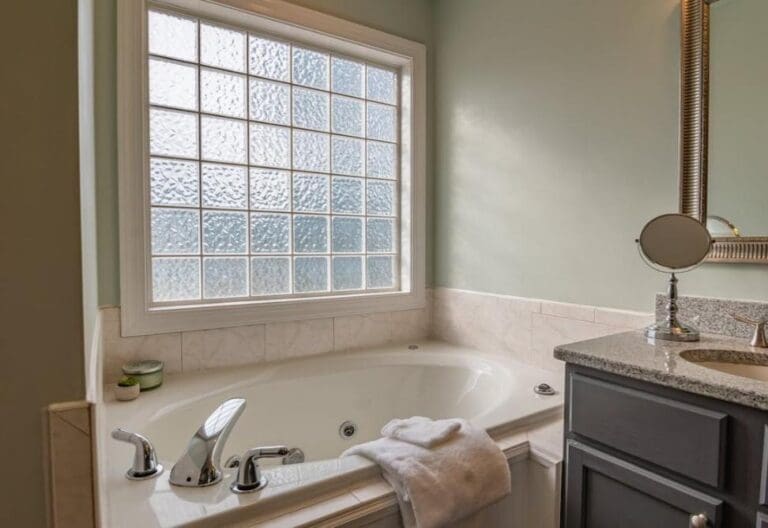
The quality and quantity of natural light in a home can either invigorate or deplete its emotional ambiance. Sunlight doesn’t merely illuminate spaces; it shapes mood, supports circadian rhythms, and enhances perception. A sun-drenched breakfast nook or a bedroom that glows warmly at dusk can elevate the daily experience of living.
More than just an aesthetic choice, light has a profound impact on biological processes. Morning light signals to the brain that it’s time to awaken, thereby increasing alertness and energy. In contrast, the absence of natural light—especially in interior rooms or during overcast seasons—can lead to sluggishness or seasonal melancholy. Strategic placement of mirrors, use of lighter wall colors, and minimal window obstruction can help distribute natural light more effectively throughout the home.
Even artificial lighting, when carefully selected, supports a calm environment. Warm LED lights in living rooms and soft dimmers in bedrooms contribute to gentle transitions between activities and phases of the day. Harsh overhead lights, on the other hand, strain the eyes and inhibit relaxation.
Ventilation and Airflow: Movement in Stillness
Stale air, humidity pockets, and lingering odors all contribute to a less-than-peaceful home atmosphere. Fresh air, even when not visible, is sensed deeply. It affects not only respiratory comfort but also mental clarity. Natural ventilation—through operable windows, skylights, or ventilated roofs—facilitates the gentle exchange between indoor and outdoor environments.
However, not all homes are situated or built in a way that maximizes airflow. In such cases, subtle interventions like ceiling fans, cross-ventilation techniques, or decentralized mechanical ventilation can simulate the benefits of nature. Good airflow discourages mold, regulates temperature, and introduces a subtle liveliness into still rooms.
The Rare Luxury of Silence
Among the most undervalued resources in a modern home is silence. In an age where digital devices chirp, urban noise infiltrates through windows, and conversations often overlap with television and music, true silence is a rarity. Yet, its presence acts as a reset button for the mind, allowing rest, creativity, and reflection to flourish.
Creating silence doesn’t always mean eliminating all sound. Instead, it involves cultivating an environment where noise is intentional rather than constant. Acoustic design can be enhanced by incorporating rugs, curtains, upholstered furniture, and sound-absorbing panels. Double-glazed windows and insulated walls shield interiors from external disturbances. Within the home, the zoning of activity areas—like separating loud communal spaces from quiet corners—allows all members to coexist without conflict.
White noise machines or ambient soundscapes, like the gentle rustling of leaves or trickling water, can also serve as a form of controlled silence. They mask jarring noises while preserving the atmosphere of calm.
Designing for Emotional Balance
Beyond the functional, light, air, and silence carry emotional weight. A well-ventilated room with soft natural light and minimal noise can immediately ease tension, soften moods, and promote harmony. Emotional regulation is easier in a space that supports calm. Children tend to be less irritable, adults more patient, and conversations more civil when the environment itself encourages equilibrium.
These elements also enable solitude—a critical yet often neglected aspect of peace. A corner bathed in sunlight, free from auditory interruptions and filled with fresh air, becomes a personal retreat. It fosters reflection, mindfulness, and emotional grounding. Even in shared spaces, design choices can carve out zones of psychological safety through lighting gradients, airflow design, and acoustic insulation.While trends come and go—open plans, minimalism, maximalism, and tech integration—the timeless value of comfort remains unchanged. And comfort, when examined closely, often traces its roots back to what cannot be touched but is always felt: light that uplifts, air that revitalizes, and silence that soothes. These are the real architects of peace—present in every corner, guiding the rhythms of home life in subtle, indispensable ways.