Functional Home Upgrades That Pay Off Every Single Day
You come home after a long day, arms full of groceries, only to fumble with keys at the door. The porch light flickers. Inside, the thermostat seems off again. None of it is dramatic, just mildly frustrating. But these little inconveniences add up.
How often do we tolerate small problems in our homes without questioning them?
We adjust, work around them, and delay solutions because the fixes seem too big—or we assume they’re not worth the time or money. But the right upgrades don’t just solve minor annoyances. They improve daily comfort, efficiency, and sometimes even safety.
In this blog, we’ll explore functional home improvements that deliver real, everyday value—often in ways you might not expect.
Why Function Matters More Than Flash
It’s easy to get distracted by upgrades that focus on style over substance. A new backsplash or pendant light may look nice, but it doesn’t necessarily improve how you live in your home. Functional upgrades do. They make things smoother, safer, and more efficient.
These are the changes that support your daily habits—automated lighting, updated entry systems, smarter climate control. You notice their impact not because they stand out, but because they remove friction from your routines.
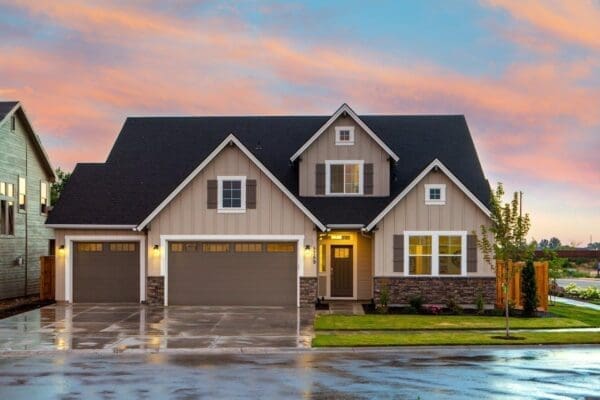
A perfect example of this is a sturdy overhead door. For homeowners with garages, this isn’t just a way to store cars. It’s often a primary entry point into the home. A high-quality overhead door that operates reliably, resists wear, and insulates well can protect your belongings, improve energy efficiency, and save time. You may not think about it much—until it jams during a storm or freezes in winter.
The same principle applies to many other systems and features around the house. They work quietly in the background, but their impact is constant.
Security and Access That Work on Your Terms
Let’s start with how you enter and secure your home. The old-school lock and key still works, but newer systems offer more control and peace of mind.
Smart locks allow you to lock and unlock doors remotely. You can give access codes to guests or service providers and see when someone enters. Many integrate with other smart home systems and can even notify you if a door is left open.
Motion-sensor lighting at key access points, like your front entry or garage, adds another layer of both safety and convenience. You won’t fumble for switches in the dark or worry about leaving lights on.
Temperature Control That Actually Works
Everyone wants to be comfortable at home, but poor temperature control is surprisingly common. Drafty rooms, inconsistent heating, and energy waste are often caused by outdated systems or poor insulation.
A smart thermostat is one of the most practical upgrades you can make. These devices learn your habits, adjust temperatures automatically, and allow for remote control via your phone. This means you use less energy without sacrificing comfort.
Sealing gaps in doors and windows, adding insulation in attics or crawl spaces, and upgrading to energy-efficient windows can also make a big difference. These improvements may not be visible, but they’re certainly felt.
You might also consider zoning your HVAC system if your home layout allows. This means different parts of the house can be set to different temperatures. It avoids over-heating or over-cooling spaces you rarely use, which improves comfort and cuts utility bills.
Small Kitchen Tweaks With Big Impact
The kitchen is often the most used space in a home. It also tends to reveal the biggest gaps in functional design.
Think about how you move through the kitchen. Are your storage areas easy to reach? Do drawers stick? Is lighting placed where you need it?
Soft-close drawers, under-cabinet lighting, and pull-out shelving are not luxury items. They’re smart solutions that make everyday tasks easier. A trash and recycling center hidden in a cabinet drawer keeps the space tidier and more efficient.
Laundry and Utility Spaces That Make Sense
Laundry rooms and mudrooms are often treated as afterthoughts. But with a few functional upgrades, they can be transformed into highly useful spaces.
Add overhead shelving or vertical cabinets to take advantage of unused wall space. Install a countertop over front-loading machines to create a folding station. A utility sink, even a compact one, can be surprisingly helpful for quick clean-ups or soaking clothes.
Hooks and storage benches near entrances can turn a cluttered hallway into an organized drop zone. These upgrades don’t require a major remodel, but they offer clear value in homes with active households.
Lighting is another overlooked issue. A simple upgrade to LED ceiling lights or motion-sensor fixtures can make these spaces more pleasant and safer to use.
Regular Access Deserves Reliable Equipment
The areas you move through every day—your garage, side entrance, or driveway gate—should feel as reliable as your front door. Yet these are often where problems crop up first.
A malfunctioning garage door, for example, can affect your routine in (rather) frustrating ways. It can also create safety risks, especially when the door is old or poorly maintained. Upgrading to a modern, well-insulated model not only improves curb appeal but also protects your home from weather, noise, and forced entry.
If you have children or pets, consider features like motion sensors or auto-reverse mechanisms that improve safety. These additions aren’t just useful. They provide peace of mind.
Everyday function is where value lives. The best upgrades don’t just show up in photos. They show up in how your home works for you—quietly, consistently, and with less effort.
Don’t Wait for Things to Break
Many homeowners wait until something fails before upgrading. But the best time to make these changes is before problems start. Preventive upgrades keep your space working smoothly, and they’re often cheaper than emergency repairs.
Start by observing where you feel the most daily friction. Which doors are noisy or sticky? Which spaces are dim, cluttered, or too hot? You don’t have to fix everything at once. Small changes, made thoughtfully, create long-term improvements that you feel every day.
When your home runs efficiently, it supports you in every part of your life. That’s a return on investment you’ll notice—not just in lower bills, but in better mornings, smoother evenings, and a quieter kind of satisfaction.