Cleaning Up After a House Fire: Common Mistakes to Avoid
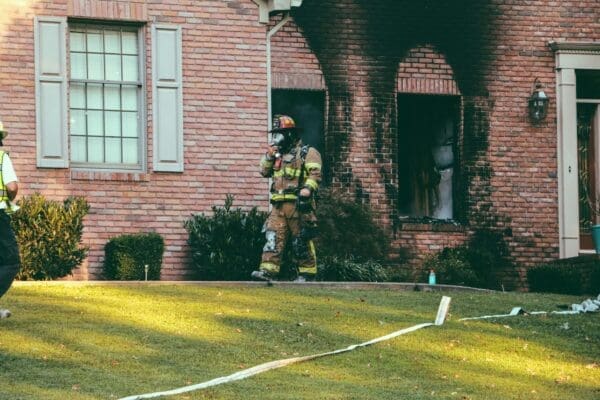
Cleaning up after a house fire can feel overwhelming. Beyond the visible damage, smoke, soot, and water used to put out the fire can cause hidden problems. Acting quickly is important, but rushing through the wrong steps can worsen the damage. Knowing the most common mistakes can help protect your home, health, and wallet.
This guide explains the top fire cleanup mistakes homeowners make and how to avoid them. Whether the fire was small or severe, these tips will help you recover safely and effectively.
1. Entering the Home Without Proper Safety Checks
One of the biggest mistakes is going back inside the house too soon. After a fire, the structure may be unstable, and the air can contain harmful chemicals. Floors, ceilings, or walls may collapse without warning. Even if the fire looks small, hidden damage can still be serious.
Always wait for approval from local authorities or fire officials before entering. Wear protective gear like gloves, masks, and sturdy shoes when you go inside. Safety should always come before cleanup.
2. Ignoring Smoke and Soot Damage
Many homeowners focus only on burned items and forget about smoke and soot. Smoke can travel throughout the entire house, even into rooms untouched by flames. Soot is acidic and can damage walls, furniture, appliances, and electronics over time. If not cleaned properly, it can cause permanent staining and corrosion.
Using regular household cleaners is often not enough. Improper cleaning can smear soot deeper into surfaces. Professional cleaning methods are usually needed to fully remove smoke residue.
3. Trying to Clean Everything Yourself
It may seem cost-effective to handle cleanup on your own, but this often leads to more damage. Fire cleanup requires specialized tools and training. Incorrect cleaning methods can ruin surfaces like drywall, wood, and upholstery. Some items may also be unsafe to clean without proper equipment.
DIY cleanup can also expose you to harmful toxins. Smoke residue may contain chemicals from burned plastics, wiring, and furniture. Hiring professionals helps ensure the cleanup is done safely and correctly.
4. Using Water Incorrectly During Cleanup
Water damage is common after a fire because of firefighting efforts. A common mistake is using too much water during cleaning. Excess moisture can lead to mold growth within 24 to 48 hours. Mold can spread quickly and create additional health risks.
Drying the home properly is just as important as cleaning. Industrial dehumidifiers and air movers are often needed. Skipping this step can cause long-term damage to walls, floors, and insulation.
5. Not Documenting Damage for Insurance
Failing to document damage is a costly mistake. Before starting cleanup, take clear photos and videos of all affected areas. This includes structural damage, personal belongings, and soot-covered items. Throwing items away too soon can make it harder to prove losses.
Keep a detailed list of damaged or destroyed items. Include descriptions, approximate values, and purchase dates if possible. Good documentation helps speed up the insurance claims process and reduces disputes.
6. Throwing Away Salvageable Items Too Quickly
After a fire, it’s tempting to throw everything away. However, many items can be restored with proper cleaning. Furniture, clothing, and even electronics may be salvageable. Disposing of them too soon can increase replacement costs.
Restoration professionals can determine what can be saved. They use specialized techniques to clean and deodorize items. Waiting for an expert opinion can help you recover more belongings.
7. Overlooking Hidden Fire Damage
Fire damage is not always visible. Heat and smoke can weaken framing, wiring, and insulation behind walls. Electrical systems are especially vulnerable and can become a future fire risk if not inspected. Ignoring hidden damage may lead to safety issues later.
A professional inspection can identify these problems early. This step helps ensure your home is truly safe before repairs begin. Skipping inspections can result in costly repairs down the line.
8. Failing to Address Odors Properly
Smoke odors can linger long after cleanup if not treated correctly. Using air fresheners or opening windows may mask the smell temporarily, but they do not remove it. Odors can remain trapped in carpets, walls, and HVAC systems. Over time, the smell may return stronger.
Professional deodorization methods target odor particles at the source. This includes thermal fogging, ozone treatments, or hydroxyl technology. Proper odor removal improves indoor air quality and comfort.
9. Not Replacing Damaged HVAC Filters and Ducts
Your heating and cooling system can spread smoke residue throughout the home. A common mistake is turning the system back on without cleaning it. Dirty ducts and filters can circulate soot and odors again. This can undo previous cleaning efforts.
HVAC systems should be inspected and cleaned after a fire. Filters should be replaced, and ducts may need professional cleaning. This step helps maintain clean air and prevents further contamination.
10. Delaying Professional Help
Waiting too long to get help can make fire damage worse. Soot continues to stain, odors become harder to remove, and water damage can lead to mold. Delays can also increase repair costs and extend recovery time. Quick action leads to better results.
Fire damage restoration experts know how to handle cleanup efficiently. They assess damage, create a cleanup plan, and prevent secondary issues. Acting fast helps protect both your home and health.
Conclusion
Cleaning up after a house fire is a complex process. Avoiding common mistakes can save time, money, and stress. Safety, proper cleaning methods, and professional help all play a key role in recovery. Rushing or skipping steps often leads to bigger problems later.
If your home has experienced fire damage, take the time to do cleanup the right way. A careful and informed approach will help restore your home safely and completely.