Essential Safety Procedures and Best Practices for Hauling Sand

Transporting sand plays a significant role in construction, energy, and manufacturing sectors across the United States. When it comes to silica sand transport, reliable logistics, careful handling, and sharp attention to detail are required to ensure deliveries are safe and efficient. Companies such as GFI Transport deliver silica sand across all 48 lower states, providing comprehensive coverage for businesses that depend on timely, secure sand shipments.
The specialized nature of sand hauling, especially in large-scale operations, demands rigorous safety procedures to protect workers, vehicles, and the environment. Whether supporting oil and gas operations or construction projects, maintaining safety standards is critical for all parties involved. This article outlines must-follow safety procedures and best practices for sand-hauling operations to help drivers, dispatchers, and fleet owners reduce risk and ensure successful, compliant deliveries across the country. For customers seeking consistently reliable service, GFI Transport brings industry expertise and a nationwide reach, making it a premier freight partner for silica sand transport throughout the USA.
Pre-Trip Inspections: Getting Every Haul Off to a Safe Start
A thorough pre-trip inspection is the foundation of every safe sand hauling journey. Before drivers hit the road, they must check engine oil and coolant levels, tire pressure, battery terminals, brake lines, and lighting systems. Checking the structural condition of trailers and verifying that safety equipment is present are vital steps to reduce the risk of mechanical failures or accidents. The Federal Motor Carrier Safety Administration (FMCSA) details daily vehicle inspection requirements to help drivers comply with national safety standards. It’s also important to document each inspection and keep a consistent maintenance record. This documentation can serve as both a preventive practice and a safeguard in the event of an incident. Maintenance records provide accountability and enable fleet managers to spot recurring issues with specific vehicles or routes, addressing them before they escalate into larger problems. Furthermore, regular driver feedback on truck performance and on-road feel can be invaluable for detecting subtle, early signs of mechanical issues. Operators who prioritize and streamline inspection and reporting processes demonstrate a proactive safety culture, thereby increasing trust among customers and regulatory agencies alike.
Loading and Securing Sand Properly
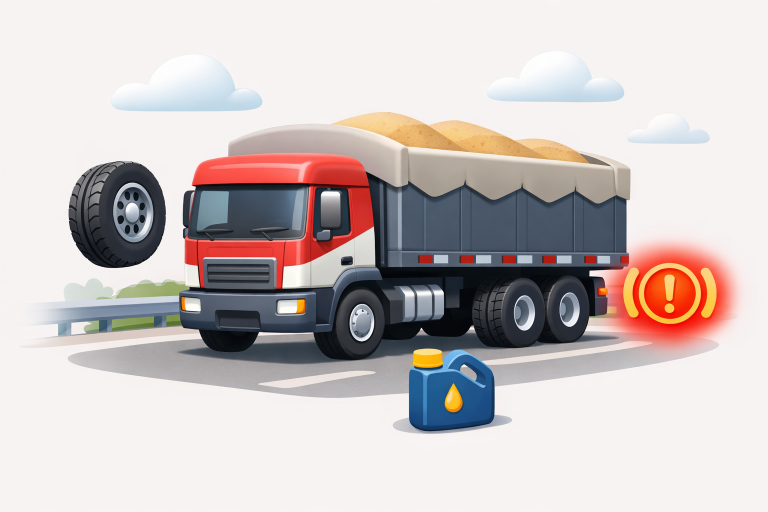
Loading sand evenly across the trailer prevents excessive axle stress and improves vehicle stability. Drivers should avoid piling sand too high, as this can shift the vehicle’s center of gravity and increase the risk of rollovers. Tarping or netting the load is essential, not only to keep sand contained but to comply with highway safety laws. Securing prevents dangerous debris from accumulating on the roadway, protecting other motorists and the reputations of hauling companies. Ensuring tight seals and regular checks during transit further reduces risk. Specialized loading equipment and skilled operators can further reduce the risk of spillage and uneven loads. In high-volume sand-hauling operations, leveraging automated loading systems and conveyor belts can minimize manual handling, safeguarding workers from overexertion and exposure to airborne silica particles. To prevent fugitive dust, some haulers use water sprays or dust suppressants during loading, further protecting communities along the haul route. Following these best practices helps companies uphold their responsibilities to both cargo security and public safety, supporting sustainable industry growth.
Staying Within Weight Limits
Strict adherence to load weight regulations is mandatory for safe sand hauling operations. Overloading trucks can result in hefty fines, increased rolling resistance, premature wear on axles and brakes, and even catastrophic brake failures. Operators must be familiar with both state and federal limits. For multistate transporters, this means regularly checking laws in states they traverse. According to the U.S. Department of Transportation, following these guidelines not only increases safety but also extends equipment lifespan and lowers long-term operational costs.
Notably, staying compliant with weight restrictions also reduces fuel consumption and improves environmental outcomes. As regulations fluctuate in response to changes in infrastructure capacity or road conditions, dispatchers and logistics coordinators must stay up to date on regional variations to avoid unnecessary delays or re-routing. Advanced onboard scales and remote monitoring can provide real-time feedback to drivers, enabling en route adjustments and precise reporting at weigh stations.
Managing Driver Fatigue
Fatigued drivers make more mistakes and have slower reaction times. Sand hauling often involves long stretches on the road and can require shifts during early or late hours, increasing the chance of fatigue. Companies should implement regular scheduling, enforce rest period guidelines, and provide training on recognizing signs of driver fatigue. Federal Hours of Service rules exist to protect both drivers and the public, outlining maximum driving hours and mandatory rest breaks. A culture that prioritizes rest and monitors driver alertness will contribute to fewer incidents and safer logistics overall.
Incorporating digital logbooks and fatigue-monitoring technologies, such as wearable alertness trackers or cab sensors that detect microsleeps, can make it easier for both drivers and managers to spot and address drowsiness early. Promoting wellness programs, proper hydration, and nutrition for drivers further supports broader health and safe driving practices. Regular safety workshops and peer support groups can help reinforce the importance of sleep and the shared responsibility for safe sand-hauling operations.
Embracing New Technologies for Safer Hauls
Technology continues to reshape the trucking industry. The rise of autonomous trucks, real-time load monitoring, GPS fleet tracking, and advanced safety sensors all contribute to increased efficiency and reduced human error. Companies committed to innovation are often the first to adopt tools that detect load shifts, monitor driver performance, and provide remote guidance to drivers on the move. These features help flag hazards before they lead to incidents and can automatically alert dispatchers and operators to emerging risks on the road. Many trucking companies are now investing in telematics solutions that consolidate data across their fleets to identify broader safety trends, optimize routing, and flag recurring mechanical concerns more quickly. Using artificial intelligence for predictive maintenance can drastically reduce the chances of breakdowns, while dashcams and driver-assist platforms offer additional transparency and accountability during hauls. By leveraging these smart advancements, companies can not only lower insurance costs but also boost both customer confidence and employee morale.
Conclusion
Strict adherence to safety procedures is indispensable for anyone involved in transporting sand across the USA. Essential steps such as detailed pre-trip inspections, careful loading and securement practices, diligent compliance with weight regulations, effective management of driver fatigue, and the utilization of new technologies collectively create a strong safety net. Working with a trusted industry partner like GFI Transport, which reliably transports and delivers silica sand across the lower 48 states, further ensures that sand-hauling projects proceed smoothly and securely.
Ultimately, safety in sand hauling is a shared responsibility. Drivers, companies, regulators, and customers all play a role in upholding best practices, adhering to legal standards, and fostering a positive safety culture within the industry. When everyone is committed to these goals, the benefits extend far beyond regulatory compliance: fewer accidents, reduced environmental impact, and a stronger reputation for service excellence are just a few of the rewards. Whether hauling silica sand for fracking, construction, or manufacturing, a focus on risk reduction, ongoing education, and technological innovation will remain central to ensuring success in every mile hauled.