How Long Do You Have To File A Car Accident Claim In Nevada

After a car accident, navigating insurance claims and legal deadlines can feel overwhelming. In Nevada, missing important time limits can mean losing your right to compensation—whether you’re dealing with personal injuries or expensive vehicle repairs. This guide explains exactly what you need to know about the different deadlines and legal rules, helping you protect your rights after a crash. If you’re unsure about next steps or concerned about Nevada’s legal timelines, it’s wise to consult a knowledgeable advocate. For more details on securing your claim, visit https://blakefriedmanlaw.com/las-vegas-car-accident-attorney/ for local support and expert guidance.
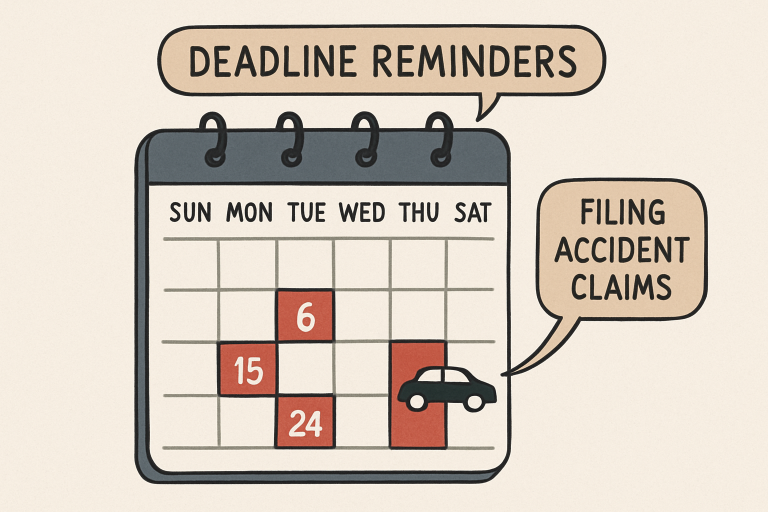
It’s important to know that these deadlines don’t just protect your rights—they also ensure that evidence is fresh and claims are addressed in a timely manner. Whether you’re dealing with injuries, property damage, or unclear liability, acting within Nevada’s legal limits is essential. Knowing the difference between personal injury claims and property damage deadlines could make all the difference in your ability to recover costs and compensation.
Personal Injury Claims
In Nevada, individuals injured in car accidents must file a personal injury lawsuit within two years from the date of the crash, according to Nevada Revised Statutes (NRS) section 11.190. This two-year period begins on the day of the accident and applies to compensation claims for medical bills, lost income, pain and suffering, and related damages. If you fail to initiate legal proceedings within this window, Nevada courts will almost always dismiss your case, leaving you unable to recover compensation for your injuries.
This deadline is strictly enforced, so it’s important to act quickly if you suffer injuries in a vehicle collision. Even if you are still negotiating with insurance companies, the lawsuit itself must be filed within this statute of limitations. Insurance companies may also use delays against you in negotiations, so prompt legal action is always recommended.
Property Damage Claims
For property damage claims—including repairs to or the total loss of your vehicle—the statute of limitations is slightly longer in Nevada. Victims have three years from the date of the accident to file a lawsuit against the responsible party or their insurance provider. This period applies to filing claims for car repairs, replacement, and other related property impacts resulting from the accident. Like the personal injury deadline, once the three-year window closes, your opportunity to pursue property damage compensation in court may be lost.
Exceptions to the Statute of Limitations
Some circumstances may extend (or toll) these statutory deadlines, including:
- Injured Minors: If the person injured in a car collision is under 18, the two-year statute of limitations for personal injuries doesn’t begin until the minor turns 18. This exception protects children who are legally unable to file a lawsuit on their own.
- Delayed Discovery of Injury: Occasionally, injuries from a car accident may not surface until days, weeks, or even months later. In these cases, the statute of limitations may begin from the point at which the injury was discovered or reasonably should have been discovered. However, proving delayed discovery can be complex and may require medical documentation and legal help.
- Defendant Not in Nevada: If the at-fault party leaves Nevada for a continuous period following the accident, the time they are absent generally does not count toward the statute of limitations. This tolling provision helps prevent defendants from escaping liability by leaving the state.
Reporting Requirements
In addition to legal filing deadlines, Nevada requires reporting certain types of car accidents to the Department of Motor Vehicles (DMV). You must submit a Report of Traffic Accident within 10 days if:
- The accident resulted in no injury or death.
- The damage to any vehicle or property exceeds $750.
Failing to report a qualifying accident to the DMV can result in fines, license suspension, and increased legal complications. Always ensure that you meet this administrative requirement in addition to pursuing insurance or legal claims.
Importance of Timely Action
Acting quickly after a car accident is crucial for several reasons. First, prompt action preserves evidence such as accident scene photos, police reports, and witness testimony. Second, medical assessments soon after an accident provide powerful legal documentation linking your injuries to the crash. Finally, consulting with an experienced attorney ensures that all deadlines are managed correctly, your rights are protected, and your claim is positioned for maximum compensation. Delaying action can result in challenges to your claim from insurance companies, difficulties gathering reliable evidence, and ultimately the loss of your opportunity to recover damages.
Understanding Nevada’s car accident claim timelines and following the necessary steps not only protects your legal standing but also improves your chances of obtaining the compensation you need to recover and move forward. By taking timely action and seeking proper legal guidance, you can ensure your rights are protected and your path to recovery remains on track.