Essential Habits for Lifelong Pet Health

Ensuring your pet lives a long, healthy, and happy life starts with a commitment to daily habits that support wellness year after year. Proper care is more than just basic feeding and shelter; it involves deliberate actions and attentive routines that keep your furry companion thriving. Working with your veterinarian and understanding the unique health aspects of your pet’s breed and age will help guide you along this journey. Explore essential preventative care for your pet to set the foundation for your pet’s overall well-being every day.
Establishing the proper routines from an early age makes a significant difference over time. Preventive habits such as regular check-ups, exercise, diet, dental hygiene, and emotional support go a long way toward minimizing health risks and maximizing quality of life. Consistent care and early intervention can also reduce future veterinary costs and prevent discomfort for your pet, ensuring a joyful bond for years to come.
When you invest effort in daily habits, such as scheduled feeding, physical activity, and stress-free environments, you help your companion stay balanced and resilient. Whether you own a playful puppy, a curious kitten, or a mature senior pet, these practices are essential for all life stages and lifestyles.
Beyond the basics, you can discover extra ways to enrich your pet’s environment by consulting resources like the American Veterinary Medical Association, which provides up-to-date guidelines for responsible pet ownership and animal health. These comprehensive practices empower you to be proactive and vigilant as a pet parent.
Regular Veterinary Check-Ups
Routine veterinary check-ups are the most effective strategy for identifying emerging health problems, even before signs become apparent.t Annual exams often include physical assessments, bloodwork, and preventive screenings tailored to your pet’s breed and age group. These appointments let your veterinarian monitor trends in weight, organ function, and mobility over time, forming a vital baseline for swift response when health changes arise. According to the American Kennel Club, preventive visits are especially crucial as pets move into their senior years.
Balanced Nutrition and Portion Control
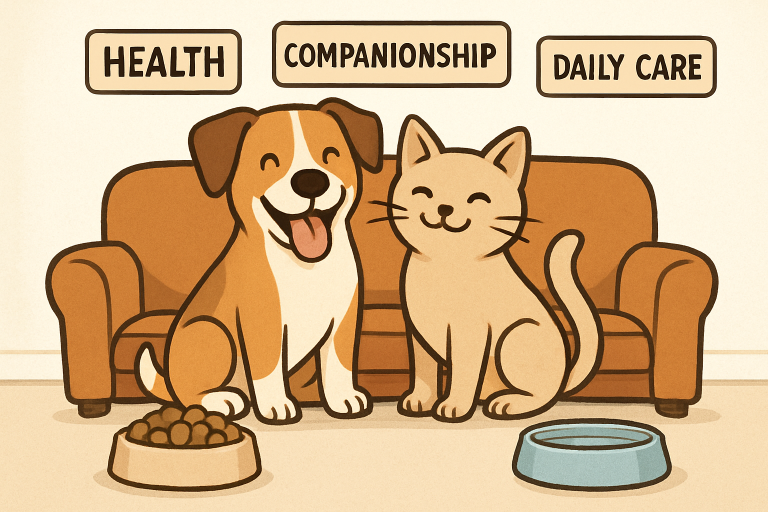
Feeding your pet an age-appropriate, nutritionally complete diet is the cornerstone of long-term health. Overfeeding or improper nutrition increases the risk for obesity, diabetes, joint strain, and cardiac issues. Using a designated scoop prevents overfeeding, and meal scheduling twice a day supports healthy digestion and discourages anxiety-induced behaviors. Confirm the correct portion and type of food with your veterinarian, especially as activity levels or health conditions change with age. For detailed nutritional guidance, consult sources such as the ASPCA, which provides science-based advice for every life stage.
Daily Exercise and Mental Stimulation
Physical and mental activity is central to your pet’s health and happiness. Dogs benefit from activities like daily walks, play sessions, or agility exercises for 30–60 minutes, depending on breed and age. Cats, though less social by nature, thrive with interactive play using toys, puzzle feeders, or climbing structures. Regular exercise maintains muscle tone, prevents weight gain, supports joint mobility, and alleviates anxiety-driven behaviors. Incorporating both physical and cognitive games sharpens instincts and provides valuable enrichment that mimics their natural environment.
Consistent Dental Care
Oral hygiene is often overlooked, but it plays a significant role in protecting your pet’s overall health. Dental disease, such as gingivitis or plaque buildup, can lead to discomfort, tooth loss, or infection that spreads to internal organs. Brushing your pet’s teeth several times a week using pet-safe products is ideal, while dental treats and chews offer additional support to reduce tartar. Annual professional cleanings may be necessary, especially for small dog breeds and cats prone to plaque accumulation. For more insights, explore dental care recommendations from pet health authorities like WebMD Pets.
Providing a Safe and Comfortable Environment
Creating a secure and relaxing home is integral to your pet’s well-being. Consistency in daily routines, including feeding and play times, can soothe anxiety and foster trust. Ensure pets have access to a quiet, comfortable area with bedding, away from high-traffic areas. Reducing loud noises and sudden disruptions also mitigates stress and supports sound sleep. Consider environmental enrichment with scratching posts, perches, or hideaways for cats and safe outdoor access for dogs.
Hydration Monitoring
Keeping your pet hydrated promotes healthy kidney function, temperature regulation, and efficient digestion. Changes in water intake can signal underlying health problems, such as diabetes or kidney disease. Ensure fresh, clean water is available at all times, and observe your pet’s drinking habits, especially during seasonal changes or after increased activity. If you notice any significant changes in hydration, consult your veterinarian right away.
Social Interaction
Socialization improves your pet’s emotional resilience and behavior. Dogs thrive on structured encounters with other friendly dogs and people, while cats benefit from regular interaction and gentle play. Avoid prolonged isolation, as a lack of stimulation can lead to anxiety or destructive habits. Allow your pet to engage in positive activities, such as group walks or supervised playdates, to foster adaptability and confidence.
Preventive Measures
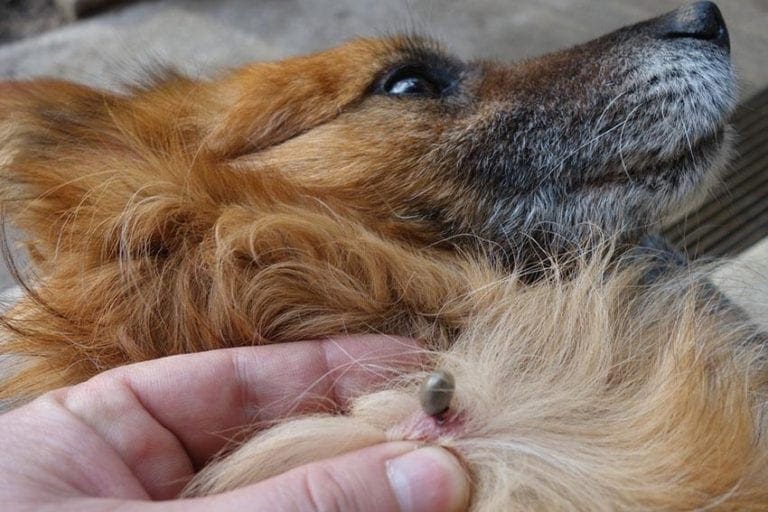
Timely vaccinations and parasite control protect pets from contagious diseases and harmful pests such as fleas, ticks, and worms. Consult with your veterinarian to develop a suitable prevention plan based on your lifestyle, environment, and regional risks. Keeping up with regular deworming, heartworm testing, and scheduled boosters ensures your pet is safe from preventable threats. Stay updated by reviewing recommendations from trusted sources, such as the Centers for Disease Control and Prevention, for pet health and zoonotic disease prevention.
By consistently practicing these essential habits, you reinforce your pet’s foundation for lifelong health and contentment. A commitment to proactive care, preventive action, and ongoing attention is the best gift you can give your loyal companion.