Easy Home Improvements That Save Energy and Money
It’s a real drag to watch your energy bill climb every month, especially when you feel like you’re already doing everything right to save power. But here’s some good news: a few smart home upgrades can seriously cut down your home’s energy use. This means more money in your pocket, and you won’t even have to completely change your daily life. These updates can be anything from easy weekend tasks to bigger projects, but they all help make your home more efficient and cozier.
Understanding Your Home’s Energy Use
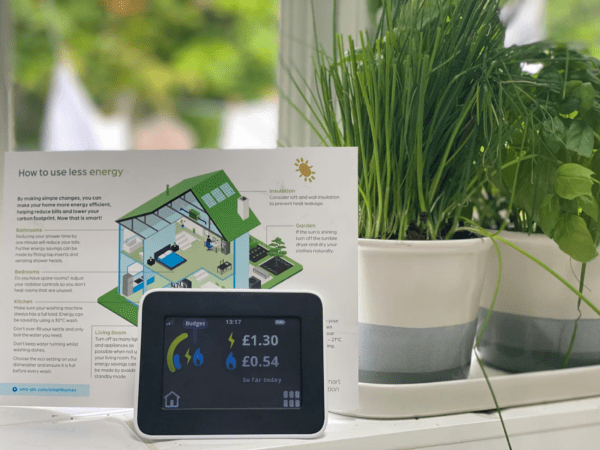
Before you can really start saving on energy, you need to figure out where all that power is going. For most homes, heating and cooling are the biggest energy hogs, often eating up almost half of your total energy costs. Grab your utility bills from the last year. Do you see big jumps in summer and winter? That’s a pretty clear sign your heating and AC system is working overtime. You can also plug in individual gadgets like TVs or computers to smart plugs. These plugs show you how much power those devices use, even when they’re off. This first step helps you zero in on the areas where upgrades will make the biggest splash.
Upgrade Your Thermostat
One of the easiest and most effective smart upgrades you can make is swapping out your old thermostat. A smart thermostat actually learns your family’s schedule. It then automatically adjusts the temperature when you’re out or asleep. No more kicking yourself for forgetting to turn down the heat or AC before you leave the house! You can even control these modern devices from your phone, so you can tweak the temperature from anywhere. Research on smart thermostats shows that these can lead to big savings on heating and cooling because they stop you from wasting energy. It’s a simple change that brings both convenience and savings all year long.
When to Consider HVAC System Updates
Smart thermostats and sealing air leaks are excellent places to start, but sometimes high energy bills point to a larger issue: an aging or inefficient HVAC system. If your heating and cooling equipment is more than 15 years old, requires frequent repairs, or struggles to keep your home comfortable, it may be worth considering an upgrade. Modern systems are designed to use energy more efficiently, which can lead to noticeable savings on monthly utility costs. While replacing an HVAC system is a significant investment, the long-term benefits can often outweigh the upfront expense. Additionally, energy-efficient home improvements may increase your property’s appeal and value. If you’re weighing your options, exploring HVAC efficiency tips can help you better understand available solutions and identify opportunities for long-term energy savings.
Seal Air Leaks for Better Efficiency
You wouldn’t leave a window wide open while your air conditioning is blasting, right? Well, tiny cracks and gaps around your house can have pretty much the same effect. Air leaks force your heating and AC system to work much harder to keep your home at the right temperature, which just wastes energy and money. Sealing up these leaks is a cheap DIY project that can make a huge difference.
- Check your windows and doors: Put weatherstripping around doors and use caulk to seal any gaps around window frames.
- Look at outlets and switches: Use foam gaskets behind the covers of outlets and light switches on outside walls to stop drafts.
- Find any other gaps: Check spots where pipes or wires come into your home from outside and fill any openings with expanding foam sealant.
Simple Habits for Daily Savings
Beyond cool tech and home repairs, just making small changes to your daily routine can add up to some serious savings. These habits don’t cost a thing to start, but they really help ease the strain on your home’s energy systems. In the summer, close your blinds and curtains on windows that get a lot of sun to keep the heat out. In the winter, do the opposite to let that natural warmth in. Use ceiling fans to move air around; a fan can make a room feel several degrees cooler, so you can set your thermostat a bit higher. And finally, remember to unplug electronics and chargers when you’re not using them. Many of them still sip a tiny bit of power even when they’re turned off.
Making your home more energy-efficient doesn’t have to be overwhelming. Just starting with one or two of these upgrades can help you begin to see a real difference in your monthly bills and make your living space much more comfortable for everyone.