Want More Light at Home? Skylight Ideas You’ll Love
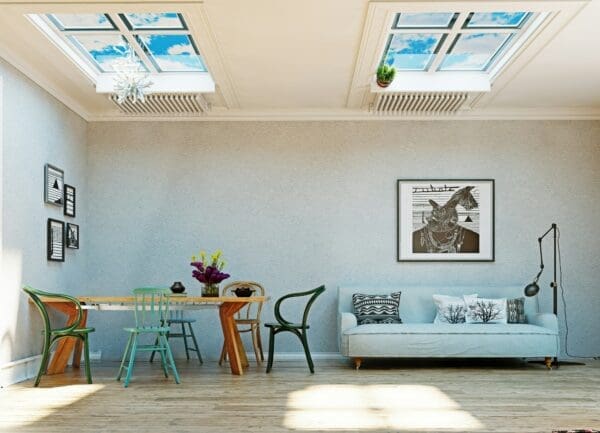
Many homes never feel bright enough, even during the day. Relying only on windows limits how much daylight can enter, especially in rooms that face the wrong direction or have small openings. This can make kitchens feel dull, bathrooms less inviting, and living spaces heavy and closed.
One simple way to change that is by adding overhead openings that bring natural light from above. They not only make rooms feel bigger but also cut the need for electric lights.
In this article, you will learn when adding one makes sense, the most common types, room-by-room ideas, and how design and costs affect the decision. By the end, you’ll have a clear picture of whether this upgrade is right for your home.
When a Skylight Makes Sense
Not every room needs added daylight, but some areas benefit a lot. Before planning, ask yourself if the space feels dark even during the day, if airflow is poor, or if the room feels too closed.
Quick signals it may be worth it:
- Hallways or kitchens that always need lights switched on.
- Bathrooms where humidity builds up with little ventilation.
- Homes with roofs that can handle a new opening without major rebuilds.
These checks help you see if an upgrade will be practical or too costly.
Popular Types to Consider
Not all skylight options serve the same purpose. The right choice depends on room size, airflow needs, and budget. Choosing carefully ensures the feature adds both comfort and long-term value to a home.
- Vented skylight — Many homeowners choose a vented skylight when they want both light and fresh air. It’s especially useful in bathrooms and kitchens, where steam and moisture can build up. Experts at First Star Exteriors note that proper installation of these units prevents leaks and improves long-term performance. With the right care, they can also improve indoor air quality and make everyday spaces feel more comfortable.
- Fixed model — This is the most common option for homeowners who want steady daylight without extra features. It remains sealed shut, which lowers the chance of leaks and reduces upkeep needs. While it does not improve airflow, it is cost-friendly and ideal for rooms that only need natural light.
- Tubular design — Compact and efficient, tubular systems are perfect for tight spaces such as closets, hallways, or pantries. They bring in natural light through a reflective tube, which means they work well even in areas where larger options cannot be placed. Their size makes them affordable, energy-efficient, and easy to maintain.
- Operable or heated unit — These advanced choices are designed for regions with heavy snow or cold winters. Operable versions can open or tilt, giving homeowners more control over airflow. Heated models help reduce ice buildup, making them reliable for climates where snow can cause leaks or roof damage.
Skylight Ideas by Room
Each room has different needs, so placement matters. Matching the right design to the right space gives the best results.
- Kitchen — Brings natural daylight to prep areas. A venting option also helps reduce steam and odors from cooking.
- Bathroom — Allows brightness while protecting privacy. Venting is helpful here to handle humidity.
- Living room — Larger fixed units or grouped openings create an open, welcoming look. They make the space feel more connected to the outdoors.
- Bedroom — Works best with smaller or shaded units to allow gentle morning light without glare.
- Hallway or closet — Tubular styles are perfect for small areas where windows cannot be added.
Design, Placement, and Size Tips
The way an opening is placed can make the difference between a cozy upgrade and an uncomfortable glare. Bigger is not always better. Balance, direction, and angle all matter.
Key tips include:
- South-facing adds heat in summer, while north-facing gives softer light.
- Avoid direct overhead openings in bedrooms to prevent harsh light early in the morning.
- Roof slope and pitch affect whether the design will drain water properly.
- Overhangs or shades help control brightness during peak sun.
- Even spacing works better than one large opening in most cases.
Venting, Maintenance, and Longevity
To make the most of the upgrade, proper care is needed. Clean the glass or cover regularly to prevent dirt from blocking light. Check the seals for cracks or damage each season.
Extra care tips:
- For a vented skylight, inspect motors or handles to ensure smooth use.
- Replace glazing if it becomes cloudy or damaged.
- Keep screens free from dust and debris to improve airflow.
- Schedule a roof check every few years to catch issues early.
Conclusion
Bringing in more daylight is one of the simplest ways to improve daily living. The right choice can add comfort, fresh air, and lasting value to your property. By understanding when they are useful, which designs are available, and how placement affects performance, you can move forward with confidence. Start with one space to see the difference or speak with a professional for guidance. With the right planning and a well-installed vented skylight, your home will feel brighter, more open, and more inviting for many years.