Smart Home Upgrades That Can Lower Your Monthly Bills
Making your home “smarter” might sound like a big, expensive project, but lots of these upgrades are actually designed with one main goal in mind: saving you money. When your home is more efficient, you can really cut down on those monthly utility bills. These clever changes often pay for themselves over time, which means more cash stays in your pocket.
Energy Audit Your Home
Before you rush out to buy new gadgets, the smartest first step is to figure out where your home is actually wasting energy. Think of an energy audit as a check-up for your house. It helps you find those hidden leaks and inefficiencies that are draining your wallet. You can even do a simple DIY audit yourself. Just walk around your home and feel for drafts near windows, doors, and electrical outlets on outside walls.
If you want a super thorough look, you can hire a professional. These specialists use cool tools like blower doors and infrared cameras to pinpoint exactly where the problems are. This first assessment gives you a clear plan for your upgrades, making sure you focus on changes that will really make a difference. The Department of Energy has some great info on what goes into an efficient home design if you want to understand the basics.
Insulation and Air Sealing
One of the best ways to save money doesn’t involve any fancy tech at all. It’s all about having good insulation and sealing up air leaks. Your heating and cooling system works hard to keep your home comfy, but if that nice conditioned air is just escaping through gaps and cracks, you’re basically paying to heat or cool the great outdoors.
Even small fixes can make a huge difference.
- Add weatherstripping to the bottom of your doors.
- Use caulk to seal up cracks around window frames.
- Put foam gaskets behind outlet and switch covers on outside walls.
For an even bigger impact, check the insulation in your attic. If it looks thin or has settled, adding more can be one of the best investments for saving energy. These basic home energy upgrades make sure that any smart tech you add later can do its job as well as possible.
Upgrade Your Climate Control
Your heating and air conditioning system usually uses the most energy in your home. If your furnace or central air unit is more than 15 years old, it’s probably way less efficient than newer models. Running an old, noisy system is kind of like driving a car that gets terrible gas mileage. It just costs you more and more to operate every year.
Upgrading to a new, high-efficiency system can really cut down your energy use. While it’s a high cost upfront, the money you save each month can be huge. If your system is getting old, needs frequent repairs, or just can’t keep up anymore, it’s a good idea to chat with a professional HVAC company to get their opinion. They can help you see the long-term savings of a modern unit and find one that fits your home and your budget.
Water Heater Efficiency
After heating and cooling, warming up water is usually the next biggest expense on your utility bill. Luckily, there are a few easy ways to make your water heater more efficient. A simple, free adjustment is to turn down the thermostat on your tank to 120°F. Most are set higher by default, but 120°F is plenty hot for most household needs and can cut water heating costs by up to 10%.
For a small cost, you can buy an insulating blanket for your water heater tank, which helps keep the heat in. If you’re thinking about a bigger upgrade, consider a tankless water heater. These units heat water only when you need it, instead of keeping a big tank hot all day and night. This can lead to big energy savings over time.
Smart Thermostats Explained
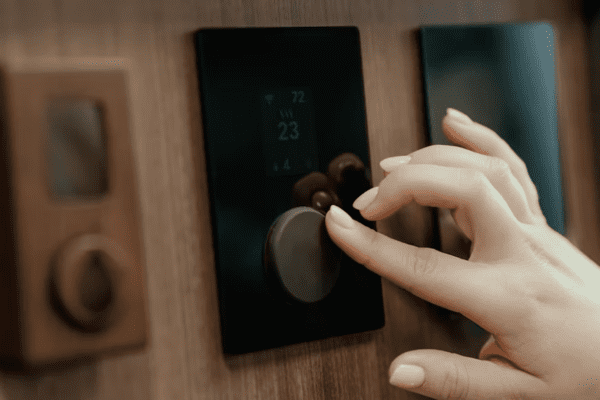
A smart thermostat is one of the most popular and effective smart home upgrades for saving money. Unlike older programmable thermostats that just stick to a set schedule, smart thermostats learn how your household moves. After about a week, they start to automatically adjust the temperature based on when you’re usually home, away, or asleep.
Many models also use geofencing, which links up with your smartphone’s location. The thermostat can tell when you’ve left the house and will automatically switch to an energy-saving mode. When it sees you’re on your way home, it will start heating or cooling so your house is nice and comfortable when you walk in. They also give you detailed energy reports, showing you exactly how much you’re using and when, which helps you find even more ways to save.
Making your home more energy-efficient doesn’t have to feel overwhelming. Just start with one or two of these upgrades and see how small changes can lead to big savings on your monthly bills.