Designing Modern Sports Locker Rooms: Storage That Works for Teams
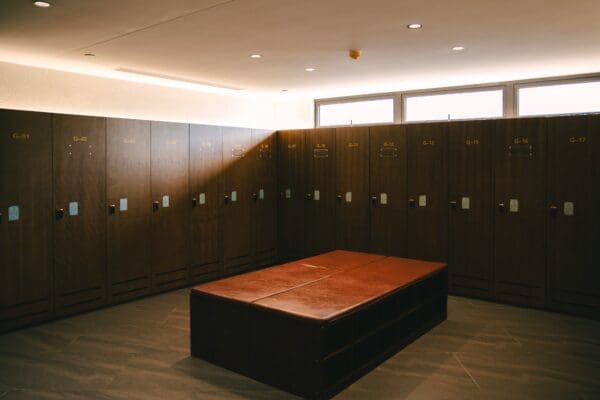
Okay, so I was walking through this college football facility last month. Brand new building. And the locker room? Man. It stopped me dead in my tracks. Modern sports locker rooms have come such a long way from what I remember growing up. We’re not talking about those rusty metal boxes from gym class anymore. Not even close.
Here’s what got me thinking though. Most people planning these spaces focus on the wrong stuff first. They obsess over paint colors or fancy lighting. But storage? That’s actually what makes everything work. Or fall apart. I’ve seen both happen, honestly.
So whether you’re renovating an old gym or building something from scratch, stick with me here. We’re gonna talk about what actually matters. The stuff that coaches and athletes deal with every single day. Not the Instagram moments. The real, practical, gotta-have-it stuff.
Why Teams Care So Much About Their Locker Space Now
You know what’s funny? Ten years ago nobody really talked about locker rooms. They just existed. A place to change. Throw your bag somewhere. Maybe shower if you had time. But something shifted along the way.
Part of it’s recruiting. College coaches figured out pretty quick that recruits notice everything. A kid walks into a tired-looking space with dented lockers. That leaves an impression. Wrong kind of impression. But walk them into somewhere that feels professional, clean, and organized. Different story entirely.
There’s also this whole thing with athlete expectations changing. Today’s players grew up different. They’ve got expensive gear. Electronics everywhere. Multiple pairs of shoes. The old setup where everyone crammed stuff into tiny cubbies? Doesn’t cut it anymore. Modern sports locker rooms need to handle way more than they used to.
And I almost forgot. Hygiene became huge recently. Everyone got really serious about cleaning and sanitizing. Turns out those old wooden benches and porous materials aren’t great for that. Who knew, right?
Picking Lockers That Won’t Fall Apart in Two Years
Alright let’s get into the nitty gritty. Because this is where I see people mess up constantly. They buy whatever’s cheapest. Then three years later they’re replacing everything. Makes no sense when you think about it.
1. The Material Question
Metal lockers have been around forever. Your grandparents probably used them. But here’s the problem. Put metal in a sweaty humid environment and what happens? Rust. Dents. That gross peeling paint situation. Seen it a thousand times.
That’s why HDPE plastic has taken over in athletic settings. Stands for high density polyethylene if you’re curious. Companies like ASI Storage have really run with this material. It doesn’t rust. Ever. You can spray it down with industrial cleaners and it just shrugs it off. For a space that gets as nasty as locker rooms do? Game changer.
Wood still has its place too. Some programs love that traditional look. Gives off a certain vibe. But you gotta maintain it. Seal it. Worry about moisture damage. It’s more work than most people expect going in.
2. Size Actually Matters Here
This sounds obvious but I promise you it trips people up. Football players need massive lockers. We’re talking 36 inches wide minimum. Some NFL facilities go 45 inches. All that gear. Helmets. Pads. Multiple jerseys. It adds up fast.
Basketball? Smaller roster, less equipment. You can get away with something more compact. Soccer and baseball fall somewhere in the middle. And don’t even get me started on hockey goalies. Those folks need their own zip code basically.
Depth matters too. Forgot to mention that. If your athletes keep extra stuff in their lockers, go deeper than you think you need. Nobody ever complained about having too much storage space. Never once heard that complaint.
3. Ventilation or Your Room Will Stink
Real talk for a second. Locker rooms smell bad. It’s just physics. Sweaty bodies. Wet gear. Damp towels shoved in corners. You cannot engineer your way around basic biology. But you can manage it.
Good lockers have vents. Top and bottom ideally. Air needs to flow through or everything just marinates in there. Gross, I know. Some designs use perforated doors. Others have those slanted louvered panels. The point is, closed boxes with no airflow create problems.
Had a coach tell me once that his old facility smelled fine for about two weeks after summer cleaning. Then it went downhill fast. New facility with properly ventilated lockers? Much better year-round. Small detail, big difference.
How You Arrange Everything Changes the Whole Feel
So you’ve got your lockers picked out. Great. Now, where do they go? This part’s actually kind of fun to think through because there’s no single right answer.
Some programs want that wow factor right when you walk in. Lockers lining both walls. Big open space in the middle. Feels grand. Makes an impression on visitors and recruits. Works especially well if you’ve got the square footage to pull it off.
But here’s another approach I’ve seen work really well. Circular or curved layouts. Basketball teams love these. Everyone faces the center. The coach stands in the middle, and every player can see and hear. Creates this intimate huddle-type atmosphere. Pretty cool actually.
A few layout options worth considering for your modern sports locker rooms:
- Straight walls along the perimeter, works for big rosters
- Curved or circular setups that bring teams together
- Island arrangements in the middle of larger rooms
- Mixed zones separating gear storage from personal stuff
Traffic flow matters too. Think about practice ending. Thirty sweaty athletes all trying to get to their lockers at once. Bottlenecks are annoying at best, dangerous at worst if someone slips.
Making It Feel Like Home With Team Branding
Okay this is the part where things get personal. Literally. Because a locker room should feel like it belongs to YOUR team. Not just any team. Yours.
I walked into one facility where every single locker had the player’s name displayed above it. Their number too. Team colors everywhere. The logo built into the floor. Sounds like a lot maybe. But the players treated that space differently than anywhere else in the building. You could tell.
ASI Storage does custom work that fits this whole approach. Nameplates. Number plates. Colors matched to your school. Graphics if you want them. Check out their athletic locker options if you’re curious what’s possible. It’s not cookie cutter stuff.
Some schools go further. LED accent lighting in team colors. Motivational quotes on the walls. Historical stuff celebrating past championships. It all adds up. Creates this sense that walking into the locker room means something.
Tech Stuff That Athletes Actually Use
Listen I’m not gonna sit here and tell you to install a bunch of gadgets nobody needs. Waste of money. But some tech features have become legitimately useful. Not gimmicks. Real problem solvers.
Charging ports. That’s the big one. Every athlete has a phone. Most have tablets or headphones that need charging too. Built in USB ports inside lockers solve a real headache. No more hunting for outlets or fighting over the few that exist.
Electronic locks have caught on too. No more keys to lose. Codes or cards work better for most setups. Equipment managers love not dealing with lost key drama constantly.
Other tech worth a look:
- Drying systems built into lockers help gear dry faster
- Interior LED lights so players can actually see their stuff
- Climate control integration for the whole room
- Bluetooth speakers in some high end installs
That said. Keep it practical. Fancy features mean nothing if the basics aren’t covered first. Get the storage right. Make sure things fit. Then add the bells and whistles if budget allows.
Everything Around the Lockers Matters Too
Here’s something people forget. Modern sports locker rooms aren’t just about the lockers themselves. The whole ecosystem around them contributes to whether the space works or not.
Seating for example. Benches built into locker setups give athletes a place to sit while gearing up. Sounds simple but bad seating makes everything harder. Good benches with some padding? Players linger longer. Chat more. Bond as a team.
Adjacent spaces matter too. Player lounges have become popular. Film rooms nearby. Some pro facilities have actual barber chairs in there. Sounds excessive until you realize players used to cut each other’s hair in hallways. Now they’ve got a proper spot.
Day lockers near training areas give quick access during workouts. Equipment rooms close by help managers stay organized. Shower areas with good drainage and non slip floors prevent injuries. All connected. All part of the bigger picture.
Finding the Right Company to Work With
Gonna be straight with you here. Not all locker companies know athletic facilities. Some just make generic storage products and try to fit them into sports settings. Doesn’t work that well usually.
Look for companies with actual experience in this specific area. ASI Storage is one that comes up a lot in conversations with facility managers. They manufacture their own HDPE Pro Lockers designed specifically for athletic use. Have reps around the country who understand what coaches and athletes need. You can find someone local through their site if you want to talk specifics.
Things to look for in a storage partner:
- Track record with athletic facility projects specifically
- Material options that make sense for humid environments
- Customization so it actually matches your program
- Warranty and support after installation
- Design help and specification resources
Money Talk and Being Smart About Budgets
Not everyone’s working with unlimited funds here. I get it. But cheap usually costs more eventually. Seen it happen too many times to ignore.
Here’s the math that makes sense. Quality HDPE lockers last 15 to 20 years easy. Maybe longer with basic care. Cheap metal alternatives? You’re looking at significant wear in 5 years. Replacement in maybe 8 to 10. So that bargain purchase ends up costing more when you factor in labor and disruption of replacing everything.
Maintenance costs add up too. Those plastic lockers don’t need repainting. Don’t need rust treatment. Don’t need special sealers applied every year. Metal and wood? Different story. Budget for ongoing upkeep or watch things deteriorate.
My suggestion? Prioritize. Get the core storage right first. Durable materials. Proper sizing. Good ventilation. Then add upgrades as money allows. Maybe charging ports happen next year. Custom branding the year after. Doesn’t have to be all at once.
Making Spaces Work for Everybody
Quick thing before wrapping up. Accessibility and inclusivity deserve attention. Modern sports locker rooms should accommodate different needs. Wider aisles for mobility equipment. Lower hooks for folks who need them. Private changing options for athletes who want more privacy.
Gender inclusive design has grown more important too. Curtained areas within larger rooms. Individual changing stalls. Options that help everyone feel comfortable. It’s not complicated really. Just requires thinking about it during planning instead of as an afterthought.
Pulling This All Together
So where does this leave us? Modern sports locker rooms have evolved into something pretty significant. They’re recruiting tools. Team building spaces. Storage systems protecting expensive equipment. Reflection of how much a program values its athletes.
The fundamentals haven’t changed though. You need storage that fits what athletes actually have. Materials that survive tough conditions. Layouts that make sense for how teams use the space. Everything else builds on that foundation.
Work with people who understand this stuff. Take your time planning. Think about tomorrow not just today. And maybe most importantly? Talk to your athletes and coaches about what they actually need. They’ll tell you things no design guide ever could.
Your locker room says something about your program. Worth making sure it says the right thing.
Common Questions About Athletic Locker Room Design
What’s the best material for athletic lockers these days?
HDPE solid plastic wins for most athletic settings. The stuff just holds up. Doesn’t rust like metal. Handles cleaning chemicals without damage. Survives the humidity that kills other materials. Wood still works if you want that classic look but requires more babysitting. Metal’s the budget option but expect wear and tear faster especially in wet environments.
How big do football lockers need to be?
Plan for 36 inches wide at minimum. Pro teams sometimes go 42 to 45 inches. Depth matters too since players store helmets, pads, multiple uniforms. Cramped lockers lead to damaged gear and frustrated athletes. Better to err larger than squeeze everyone into something too small. Measure your actual equipment before deciding.
Any tricks for controlling locker room odors?
Ventilation is everything honestly. Lockers need vents top and bottom so air moves through. Nonporous materials like HDPE don’t absorb smells the way wood can. Drying systems help gear dry faster, which cuts down on funk. Regular cleaning with proper disinfectants. And honestly, good overall room ventilation makes a huge difference too.
Do fancy locker rooms actually help with recruiting?
Short answer: yes. Recruits notice everything during visits. A polished, professional-looking space signals that the program invests in athletes. Custom branding, quality materials, and modern amenities all contribute. It’s not the only factor, obviously, but it definitely moves the needle. First impressions stick.
How many years should quality lockers last?
Good HDPE plastic lockers go 15 to 20 years without major issues. Some last even longer. Compare that to metal in humid conditions, showing serious wear by year 7 or 8. The upfront cost difference pays for itself through a longer lifespan. Worth factoring in when comparing quotes.
Can lockers be customized to match our team colors?
Definitely. Most quality manufacturers offer multiple color options. ASI Storage does custom color matching along with nameplates, number plates, and graphics. You’re not stuck with generic gray or beige anymore. Mix and match colors, add logos, make it yours. The options have expanded a lot.
What layout works best for team chemistry?
Depends on what you’re after. Circular or curved arrangements get players facing each other, which encourages conversation and team bonding. Great for smaller rosters like basketball. Linear layouts along walls work better for large football rosters and create an impressive visual impact. Island configurations split the difference. Think about how your coaches run meetings and what atmosphere you want.