Healthcare Communication Boards: Best Practices for Patient Rooms and Nurse Stations
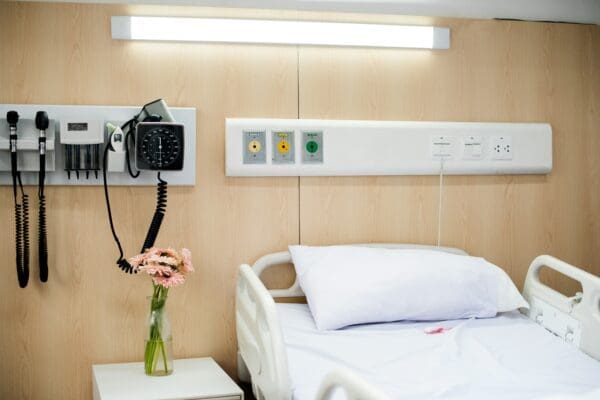
Okay, so my mom had surgery a few years ago. Hip replacement. She was in the hospital for over a week. I visited her a bunch and started noticing these whiteboards in every single room. Healthcare communication boards. At first, I thought, huh, that’s old school. We’ve got tablets and apps for everything now, so why whiteboards?
But then I watched her nurse come in one morning. Glanced at that board for five seconds and knew exactly what was going on. My mom’s pain level from the night before. Which doctor was on call. What meds she’d gotten. Didn’t have to wake my mom up asking questions she’d already answered ten times.
That’s when it clicked. These healthcare communication boards aren’t outdated at all. They’re brilliant in their simplicity. No login required. No battery dying. No software crashing at 2 am. Just information, right there where anyone can see it.
I ended up going down a bit of a rabbit hole researching this stuff. Talked to a few nurses I know. Looked into what makes some boards work better than others. And I found out companies like ASI Visual Display Products have basically turned this into a science. Porcelain surfaces that don’t stain. Custom layouts. The whole thing.
Anyway, figured I’d share what I learned. Because honestly? This stuff matters way more than most people realize.
Why Hospitals Still Swear By These Boards
Here’s something that surprised me. One nurse I talked to, been working cardiac for eleven years, told me she doesn’t trust digital systems for critical info. Not because they’re bad. But when things get crazy during a code, you need information visible from across the room instantly.
She said their unit actually tried going all-digital a few years back. Fancy screens in every room. Synced with the EHR. Looked really impressive in the presentations. But nurses hated it. The screens would time out. Sometimes they’d show the wrong patient because someone forgot to update it. And good luck reading anything when the sun hits the screen at certain angles.
They brought back healthcare communication boards within six months.
The thing is, these boards solve a very specific problem. During shift changes, you’ve got tired nurses trying to hand off to fresh nurses. There’s a lot of information to transfer. Patient conditions. Pending tests. Family concerns. Allergies. Fall risks. It’s a lot to remember.
A good healthcare communication board puts the most critical stuff where everyone can see it. The incoming nurse doesn’t have to rely entirely on verbal handoff or trust that they’ll remember everything. It’s right there on the wall. A backup. A reference point. A safety net.
And patients benefit too. My mom told me she actually liked having that board in her room. She could see her nurse’s name, which helped because she’s terrible with names and felt awkward not knowing what to call people. She could see the date, which sounds small but apparently, when you’re on pain meds in a windowless room, you lose track of time really fast.
What Actually Goes On These Things
So I asked around about this because I was curious. What’s the standard? Turns out there isn’t really a universal standard, which is kind of frustrating. Different hospitals do it differently. Different units within the same hospital sometimes have different setups.
But there are some basics that pretty much everyone agrees on:
- Patient’s name – usually just first name for privacy, but enough that staff can address them personally
- Today’s date – seems obvious, but patients genuinely lose track, especially longer stays
- Care team info – who’s the nurse, who’s the aide, who’s the attending physician
- Daily goals – maybe it’s walking a certain distance or drinking enough fluids
- Pain score – usually a 1-10 scale so night shift knows where the patient was at
Now here’s where hospitals mess up sometimes. They get ambitious. They want to put EVERYTHING on there. Medication schedules. Lab results. Insurance stuff. Contact numbers. And suddenly the board is so crammed with info that nobody can find anything quickly.
The whole point of healthcare communication boards is quick reference. If someone has to stand there for thirty seconds hunting for a piece of information, you’ve defeated the purpose. Less is more. Put the critical stuff up there and leave the rest in the chart.
Placement Matters More Than You’d Think
I saw one board during my mom’s stay that was literally behind the door. When the door was open, which was most of the time, you couldn’t even see the board. What’s the point?
The best location is usually across from the bed. The patient can read it while lying down. Staff see it when they walk in. Visitors can reference it. The wall at the foot of the bed works too in some room layouts.
Height matters as well. Not too high or the patient can’t read it. Not too low or it’s awkward for staff to write on. About eye level when standing seems to be the sweet spot most places aim for.
The Update Problem
Okay, so here’s a frustrating thing I noticed. Some of those healthcare communication boards? They don’t get updated. The date will say Thursday, and it’s Sunday. The nurse listed doesn’t even work on that unit anymore.
I asked a charge nurse about this, and she was pretty candid. Nurses are slammed. Updating a whiteboard feels like one more task on an endless list. And honestly? If the board surface is bad – if markers don’t erase cleanly, if there’s ghosting from old writing – people just stop bothering.
This is where board quality becomes really important. Cheap boards, the kind you’d buy for a college dorm, fall apart fast in a hospital setting. They stain. They ghost. After a few months, they look terrible, and nobody wants to use them.
Porcelain boards, like the ones ASI Visual Display Products makes, are different. The surface is fired at really high temps so it’s basically non-porous. Markers wipe off clean even after sitting for days. No ghosting. No scrubbing. When updating is easy, nurses actually do it.
One unit I heard about made updating part of their shift handoff routine. Literally built it into the process. Outgoing nurse updates the board. Incoming nurse confirms it looks right. Takes maybe a minute. Keeps everything current.
Nurse Stations Need Different Boards
Patient rooms are one thing. But if you’ve ever looked at the boards behind a nurse’s station, that’s a whole different level of complexity. Way more information. Multiple patients. Staff schedules. Alerts and reminders.
These healthcare communication boards tend to be bigger. Like, significantly bigger. 48 by 96 inches isn’t unusual. Some units have multiple boards covering an entire wall.
The organization is what makes or breaks it. Best setups I’ve seen use clear sections:
- Room assignments on one side – which nurse has which patients
- Schedule stuff in the middle – shifts, breaks, who’s covering lunch
- Alerts and flags on another section – fall risks, isolation rooms, anything urgent
- Task tracking somewhere – pending labs, discharges expected, whatever needs attention
Custom boards with pre-printed grids help a ton here. ASI Visual Display Products does custom layouts where all the sections and fields are already printed. Staff just fill in the blanks instead of drawing lines and headers every time.
Material Quality Is Kind Of A Big Deal
I probably sound like a broken record at this point but the material really matters. Hospitals are harsh environments. Cleaning happens constantly with strong chemicals. Boards get written on and erased dozens of times per day. Cheap materials just don’t survive.
Melamine boards, the really inexpensive ones, start showing wear within months. The surface gets micro-scratches that trap ink. Ghosting starts happening. Eventually the board looks so bad it’s almost unreadable.
Glass boards are trendy but honestly not great for hospitals. They can shatter. They show fingerprints like crazy. And glare from overhead lights makes them hard to read from certain angles.
Porcelain-on-steel is what most hospital consultants recommend these days. The porcelain surface is super hard and non-porous. Stains can’t penetrate. It stands up to hospital-grade disinfectants. And it stays looking professional for years, not months.
ASI Visual Display Products makes their healthcare communication boards with this type of surface. Their Series 9300, 9400, 9500, and 9800 boards are all designed for medical settings. Magnetic backing too, which is useful for pinning up charts without tape.
Infection Control Angle
Something I hadn’t even thought about until a nurse mentioned it. These boards get touched constantly. Staff are writing, erasing, and pointing at things all day long. In a hospital, that’s an infection control consideration.
Porous surfaces can harbor bacteria. If germs can get into tiny cracks and crevices in the board material, wiping it down doesn’t actually get it clean. You’re just moving stuff around on the surface.
Non-porous porcelain healthcare communication boards don’t have this problem. When you wipe them with disinfectant, they’re actually disinfected. Nothing’s hiding in the material.
Frameless boards are catching on for this reason too. Traditional frames have edges and corners where grime builds up. No frame means nowhere for germs to hide. Easier to clean thoroughly.
Different Units Have Different Needs
Not every part of a hospital needs the same setup. ERs have totally different requirements than rehab units. Makes sense when you think about it.
Emergency Departments
Everything moves fast in the ER. High patient turnover. Constant updates. Healthcare communication boards here need big text you can read from across the room. Clear sections for tracking bed status, triage categories, waiting patients. The surface has to handle constant erasing without degrading.
Behavioral Health
Safety is the priority here. Boards need to be tamper-resistant. Impact-resistant. Can’t have anything a patient could potentially harm themselves with. ASI Visual Display Products makes specific boards for behavioral health settings with secure mounting and reinforced construction.
Operating Rooms
ORs need precision. Surgical checklist displayed clearly. Patient allergies prominent. Team roles listed. And cleaning protocols are intense in surgical areas. Boards need to withstand constant disinfection with strong chemicals without breaking down.
Custom Options Are Worth Considering
Generic blank boards work okay but custom layouts make a real difference in adoption. When the sections and fields are already printed, staff don’t waste time creating structure. They just fill in information.
- Pre-printed fields for patient name, date, care team, goals
- Hospital logo and colors for professional branding
- Grid layouts that match existing workflows
- Built-in marker trays and accessory holders
ASI Visual Display Products does full custom work. You specify the size, layout, colors, and fields – they produce exactly what you need. Apparently, the turnaround is pretty quick too.
Getting Staff Buy-In
You can install the nicest healthcare communication boards in the world. Won’t matter if staff don’t actually use them. This is a real challenge hospitals face.
What helps based on what I’ve heard:
- Training that explains the why, not just the what. People follow through better when they understand the purpose.
- Making board updates officially part of shift handoff. Not optional, not suggested, actually required.
- Leadership using and referencing the boards. When charge nurses and managers visibly rely on them, staff follow.
- Listening to complaints. If something about the board setup isn’t working, fix it instead of forcing compliance.
And again – quality matters for adoption. Bad surfaces frustrate people. Good surfaces make updating easy enough that it actually happens consistently.
Wrapping Up
Healthcare communication boards are unglamorous. I get it. They’re literally just whiteboards. In an age of electronic health records and patient portals and AI diagnostics, there’s something almost quaint about writing on a board with a dry-erase marker.
But that simplicity is exactly why they work. No technical failures. No learning curve. No access permissions. Just visible information where people need it, when they need it.
Done right, these boards improve patient safety, help coordinate care, and make patients feel more connected to what’s happening with their treatment. Done wrong – cheap materials, poor placement, inconsistent updates – they become clutter that everyone ignores.
If you’re involved in hospital operations or healthcare facility planning, it’s worth thinking carefully about this stuff. Companies like ASI Visual Display Products have put a lot of work into making healthcare communication boards that actually hold up in medical environments. Porcelain surfaces. Custom layouts. Designed for the specific demands of clinical settings.
Worth looking into if you’re in that world.
Frequently Asked Questions
What is a healthcare communication board exactly?
It’s a whiteboard in patient rooms or nurse stations that displays key info like patient names, care team members, daily goals, and important alerts. Think of it as a quick-reference tool for staff and patients.
What info should go on a patient room board?
Keep it simple. Patient’s first name, today’s date, care team names, daily goals, and pain level or comfort status. Don’t overcrowd it or the whole quick-reference thing falls apart.
Why use boards instead of digital displays?
Healthcare communication boards never crash, don’t need logins, won’t time out, and are readable from anywhere in the room. Digital has its place but analog backups remain important for critical info.
What material works best for hospital whiteboards?
Porcelain-on-steel is the consensus pick. Resists staining and ghosting, handles strong disinfectants, stays looking good for years. Cheaper materials degrade fast in hospital conditions.
How often should boards be updated?
At minimum every shift change. Best practice is making updates part of the formal handoff routine so it becomes automatic instead of an afterthought.
Can you customize healthcare communication boards?
Yes. Companies like ASI Visual Display Products offer custom sizing, pre-printed fields, specific layouts, hospital branding, and more. Custom boards tend to get used more consistently than generic ones.
Where should patient room boards be placed?
Across from the patient’s bed is usually ideal. The patient can read it lying down, the staff see it walking in, and visitors can reference it. Avoid putting them behind doors or anywhere obstructed.Looking into healthcare communication boards for your facility? Check out what ASI Visual Display Products offers. Their healthcare whiteboard line is pretty comprehensive.