Creating a Soothing Environment: Must-Have Products for Your Baby’s Comfort

As parents, we all share a common wish: a happy, comfortable baby. More than just a luxury, a baby’s comfort is crucial for their healthy development. It fosters emotional well-being and helps them feel secure in a brand new world.
Creating a soothing environment is vital for both the baby and the family. It can ease transitions, promote better sleep, and support a baby’s emotional growth. But with so many products available, knowing where to start can be overwhelming.
In this guide, we’ll explore the must-have items designed to bring peace and comfort to your little one. We’ll dig into the benefits, safety considerations, and how these products aid development. Our goal is to help you build a nurturing space for your baby to thrive.

This section covers the essential items that form the basis of a baby’s comfort, focusing on sleep and calming techniques. A safe and serene environment is paramount for a newborn’s development, helping them adjust to the world outside the womb. Establishing good sleep habits early on not only benefits the baby but also contributes significantly to parental well-being, allowing everyone in the household to get much-needed rest.
Creating a Safe and Serene Sleep Space
The cornerstone of baby comfort starts with a safe and appropriate sleep environment. For newborns and infants, this primarily means a bassinet or a crib. These are designed to provide a secure enclosure for sleep, keeping your baby safe while they rest. When choosing a sleep space, always prioritize safety standards. Look for products that meet current safety regulations, such as those set by the Juvenile Products Manufacturers Association (JPMA) or the American Society for Testing and Materials (ASTM).
A firm mattress is non-negotiable. While it might seem counterintuitive to our adult preferences for soft bedding, a firm sleep surface is critical for infant safety. It prevents your baby from sinking in, which could create a suffocation hazard. Ensure the mattress fits snugly within the crib or bassinet frame, leaving no gaps where a baby could get trapped.
Crucially, adhering to safe sleep practices is paramount for reducing the risk of Sudden Infant Death Syndrome (SIDS). The American Academy of Pediatrics (AAP) strongly recommends the “ABCs” of safe sleep:
- Alone: Your baby should sleep alone, not with parents or other children.
- Back: Always place your baby on their back to sleep, for every sleep.
- Crib: Your baby should sleep in a crib, bassinet, or play yard that meets current safety standards.
This also means keeping the sleep space clear of any loose bedding, bumper pads, soft toys, or pillows. While these items might look cozy, they pose a suffocation risk. For warmth, consider sleep sacks or swaddles instead of loose blankets. Creating a minimalist sleep environment ensures your baby has ample space to breathe and move safely. The room temperature should also be comfortable—not too hot, not too cold—typically between 68-72°F (20-22°C).

Wearable Comfort: Swaddles and Sleep Sacks
Once the safe sleep space is established, the next layer of comfort often comes in the form of wearable items like swaddles and sleep sacks. These products are designed to keep your baby snug, secure, and warm without the dangers of loose blankets.
Swaddles are particularly beneficial for newborns. They mimic the snug feeling of the womb, which can be incredibly comforting to a baby adjusting to the outside world. Swaddling also helps to suppress the Moro (startle) reflex, a natural involuntary movement that can wake a sleeping baby. By keeping their arms tucked in, swaddles help babies sleep more soundly and for longer stretches. When selecting a swaddle, look for breathable fabrics like organic cotton or muslin to prevent overheating. Ensure it allows for healthy hip development by being loose around the hips and legs. For guidance on achieving the perfect wrap, you might find resources on safe swaddling techniques helpful.
As your baby grows and starts to show signs of rolling over (typically around 2-4 months), it’s time to transition them out of a traditional swaddle. This is where sleep sacks become indispensable. Sleep sacks are wearable blankets that zip up, providing warmth and comfort while allowing your baby’s arms and legs to move freely. They come in various sizes and materials, making them suitable for different ages and climates.
One key feature to understand when choosing sleep sacks is the TOG (Thermal Overall Grade) rating. This rating indicates the thermal insulation of the fabric. A lower TOG rating (e.g., 0.5 or 1.0) is ideal for warmer rooms or seasons, while a higher TOG rating (e.g., 2.5 or 3.0) provides more warmth for cooler environments. Always consider your home’s ambient temperature and your baby’s pajamas when selecting a TOG rating to prevent overheating. We believe that providing your baby with comfortable baby clothing and sleepwear made from soft, breathable materials is essential for their overall well-being.
Gentle Motion and Sound: Soothers and Bouncers
Beyond the static comfort of a crib and sleepwear, many babies find immense comfort in gentle motion and soothing sounds. This is where products like bouncers, rockers, and white noise machines come into play, offering temporary relief and a sense of calm.
Bouncers and rockers provide a gentle, rhythmic motion that can often soothe a fussy baby. The slight elevation and movement can be particularly helpful for babies experiencing reflux or gas, as it aids digestion and provides a different perspective. Key features to look for include a secure safety harness to keep your baby safely strapped in and adjustable recline options to accommodate different comfort levels. Some models offer manual bouncing, while others have automatic rocking or vibrating functions. Bouncers and rockers are designed for supervised awake time only. They are not safe sleep spaces, and babies should never be left unattended in them, especially if they fall asleep. Always check the age and weight recommendations from the manufacturer, as these products are typically used from birth up to when a baby can sit up unassisted or reaches a certain weight limit.
White noise machines are another popular comfort product. The consistent, low-frequency sound can mimic the sounds of the womb, creating a familiar and calming environment. White noise can also help to mask household noises, allowing your baby to fall asleep more easily and stay asleep for longer. Many machines offer a variety of sounds, from static white noise to nature sounds or lullabies. Some even include a gentle night light feature. Similarly, products that provide gentle vibrations can be very effective. These might be integrated into bouncers, bassinets, or even stand-alone devices that attach to a crib. The subtle vibration can have a deeply calming effect, reminiscent of being held or gently rocked.
When incorporating these items into your routine, moderation and supervised use are key. They are excellent tools for soothing and providing comfort, but they should not replace direct interaction, holding, and cuddling with your baby.
The Role of Transitional Objects in Emotional Development
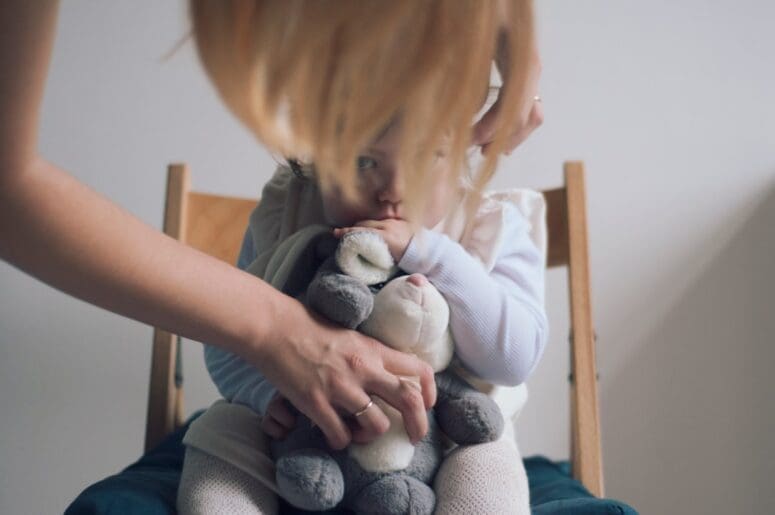
As babies grow, many form a deep attachment to a special item, often called a “lovey.” These objects play a crucial role in their emotional journey toward independence, providing comfort and security during times of transition or stress. This attachment is a normal and healthy part of childhood development, signifying a baby’s growing capacity for self-soothing and emotional regulation.
Understanding Loveys and Other Baby Comfort Products
A transitional object, commonly known as a lovey, security blanket, or comfort object, is an item that a child becomes emotionally attached to. It could be a soft blanket, a stuffed animal, a piece of clothing, or even an unexpected item like a smooth stone. These objects serve as a psychological bridge between the child and their primary caregiver, offering a sense of familiarity and security when the caregiver isn’t immediately present.
The benefits of loveys are significant for a baby’s emotional development:
- Emotional Security: Loveys provide a tangible source of comfort, helping babies feel safe and secure, especially in new or stressful situations (e.g., daycare, doctor’s visits, travel).
- Fostering Independence: By relying on their lovey for comfort, babies learn to self-soothe and cope with separation anxiety, gradually building their independence.
- Self-Soothing Skills: The lovey becomes a tool for the baby to calm themselves down, manage emotions, and transition to sleep.
- Developmental Benefits: Engaging with a lovey can also stimulate sensory development through touch and smell, and even encourage early imaginative play.
From the perspective of attachment theory, a lovey acts as a substitute attachment figure, providing a consistent source of comfort that helps a child regulate their emotions and steer the world. Many babies become attached to a particular comfort object, or “lovey,” between 8 and 12 months old. This period often coincides with the onset of separation anxiety, making the lovey a valuable coping mechanism.
Introducing and Using a Lovey Safely
Introducing a lovey can be a gentle process that helps your baby form a positive association with the object. The ideal time to introduce a lovey is generally between 8 and 12 months old, when babies begin to develop object permanence and a deeper understanding of separation.
Here’s how to introduce a lovey effectively:
- Infuse with Parent’s Scent: For a few nights, sleep with the lovey or keep it close to you during the day. Your scent will transfer to the object, making it more familiar and comforting to your baby.
- Introduce During Calm Times: Offer the lovey during quiet moments, such as feeding, cuddling, or story time, rather than when your baby is distressed. This helps them associate it with positive, comforting experiences.
- Make it Accessible: Place the lovey within reach during playtime or while your baby is in their crib (during awake times) so they can interact with it naturally.
Safety is paramount when it comes to loveys, especially concerning sleep. For safety reasons, it’s recommended that you wait until your child is 1 year old before giving them a lovey when they’re going to sleep. Before this age, any loose items in the crib, including loveys, can increase the risk of SIDS. Once your baby is over 12 months old, a small, breathable lovey can be a wonderful addition to their sleep routine.
Here are some essential tips for managing loveys to ensure safety and longevity:
- Buy a Spare: If your baby becomes deeply attached to a specific lovey, having an identical backup is a lifesaver in case one gets lost or needs washing. Rotate them regularly so they wear evenly.
- Wash Regularly: Loveys can get dirty quickly. Wash them frequently according to the manufacturer’s instructions to keep them hygienic.
- Check for Hazards: Periodically inspect the lovey for loose buttons, beads, ribbons, or threads that could become choking hazards. Ensure there are no small, detachable parts.
- Choose Wisely: Opt for loveys made from breathable, natural fabrics without small attachments. Avoid anything with long strings or ties that could pose a strangulation risk.
By following these guidelines, you can ensure your baby’s lovey provides comfort safely and effectively, supporting their emotional growth without compromising their well-being.
Attachment and Outgrowing Comfort Items
The attachment a child forms with a lovey is a perfectly normal and healthy part of their development. It’s a sign that they are learning to cope with emotions and transition towards independence. This attachment is likely to peak at around 18 to 24 months of age and then gradually become less intense. During this peak period, a child might carry their lovey everywhere, relying on it heavily during moments of stress, fatigue, or change.
For the vast majority of children, this attachment is not a cause for concern. It simply indicates a healthy coping mechanism. Signs of “over-attachment” are rare and typically involve a child’s inability to function or interact without the lovey, or if the lovey becomes a substitute for human connection rather than a complement to it. In such rare cases, consulting with a pediatrician or child development specialist might be beneficial.
Children typically outgrow their need for a lovey naturally. As they develop more sophisticated coping skills, gain confidence, and engage more with their social environment (e.g., starting preschool or kindergarten), the intense reliance on the lovey diminishes. The lovey might transition from an ever-present companion to a bedtime-only friend, and eventually, a cherished keepsake.
The process of letting go should be gradual and child-led. Forcing a child to give up their comfort object before they are ready can sometimes cause more distress and prolong the attachment. Instead, parents can encourage independence by:
- Setting Boundaries: For example, the lovey stays in the bedroom or at home during school.
- Offering Alternatives: Engaging them in new activities or social interactions that build confidence.
- Positive Reinforcement: Praising their bravery and independence when they cope without their lovey.
Most children will naturally phase out their lovey by the time they are five or six years old, especially as social pressures and the desire to fit in with peers increase. It’s a beautiful journey to witness, from the initial need for comfort to the blossoming of self-reliance.
Choosing the Best Baby Comfort Products: A Parent’s Guide
Navigating the market for baby products can be overwhelming. This guide helps parents make informed decisions by focusing on safety, material quality, and genuine need, ensuring every choice contributes positively to their baby’s comfort and well-being. With countless options available, knowing what truly matters can simplify your shopping experience and provide the best for your little one.
Key Factors for Selecting Baby Comfort Products
When it comes to baby comfort products, not all items are created equal. Making informed choices involves looking beyond aesthetics and focusing on fundamental aspects that impact your baby’s safety and well-being.
- Material Quality: This is paramount, especially for items that come into direct contact with your baby’s delicate skin.
- Organic Cotton: Known for its softness, breathability, and lack of harmful chemicals, organic cotton is a top choice. It’s gentle on sensitive skin and reduces exposure to pesticides.
- Bamboo: Bamboo fabric is incredibly soft, hypoallergenic, and has natural thermoregulating properties, keeping babies cool in summer and warm in winter. It’s also highly breathable.
- Muslin: Lightweight and breathable, muslin fabric (often cotton or bamboo) is excellent for swaddles and blankets, offering gentle comfort without overheating.
- Avoid synthetic materials that don’t breathe well or contain harsh dyes.
- Safety Certifications: Always look for products that have been tested and certified by reputable organizations.
- JPMA (Juvenile Products Manufacturers Association): This certification ensures products meet specific safety standards.
- ASTM (American Society for Testing and Materials): ASTM standards cover a wide range of product safety, from materials to design.
- GOTS (Global Organic Textile Standard): For organic textiles, GOTS certification guarantees that the product meets strict environmental and social criteria throughout its production.
- OEKO-TEX Standard 100: This certification ensures that every component of the product, from the fabric to the thread, has been tested for harmful substances.
- Design and Ergonomics:
- Ease of Cleaning: Babies are messy! Choose products that are easy to clean, preferably machine washable, to maintain hygiene.
- Ergonomics: For items like bouncers, carriers, or loungers, ensure the design supports your baby’s natural posture and development, without putting pressure on developing joints or spines.
- Simplicity: Often, simpler designs are safer. Avoid excessive embellishments, loose parts, or complex mechanisms that could pose a hazard.
- Non-Toxic Materials: Beyond fabric, consider all components.
- BPA-free plastics: Essential for pacifiers, teethers, and feeding items.
- Phthalate-free: Many plastics contain phthalates, which can be harmful.
- Lead-free paints/dyes: Crucial for toys and furniture.
- Hypoallergenic Properties: For babies with sensitive skin or allergies, choosing hypoallergenic materials can prevent irritation and discomfort. Natural fibers like organic cotton and bamboo are often good choices.
By keeping these factors in mind, you can confidently select baby comfort products that are not only soft and soothing but also safe and supportive of your baby’s healthy development.
Smart Innovations in Baby Comfort
The world of baby products is constantly evolving, with new innovations aimed at enhancing comfort, safety, and convenience for both babies and parents. These latest trends often leverage technology to create a more responsive and soothing environment.
One of the most significant advancements has been in smart bassinets. These high-tech sleep solutions often feature automatic rocking or swaying motions, integrated white noise, and gentle vibrations, all designed to mimic the womb and soothe a baby back to sleep. Many smart bassinets can be controlled via a smartphone app, allowing parents to adjust settings, track sleep patterns, and even respond to their baby’s cries remotely. This level of automation can be a game-changer for sleep-deprived parents, offering an extra pair of “hands” during those challenging early months. For those interested in cutting-edge solutions for their little one’s rest, exploring options for Intelligent baby comfort can provide valuable insights into these advanced features.
Beyond bassinets, other app-controlled devices are making their way into nurseries. These include smart sound machines that can be programmed to change sounds based on your baby’s sleep cycle, or smart humidifiers that maintain optimal room humidity levels. Some products even integrate with wearable monitors that track a baby’s heart rate, breathing, and skin temperature, providing parents with peace of mind and alerts if any parameters fall outside the normal range. While these devices offer incredible convenience and data, they should always be used as aids and not as substitutes for direct parental supervision.
Another emerging concept is neuroprotective care, particularly relevant for premature or medically fragile infants. This approach focuses on minimizing stress and overstimulation in a baby’s environment to support optimal brain development. Products designed with neuroprotective principles might include specialized positioning aids that mimic the feeling of being held, gentle lighting, and controlled soundscapes. Even for full-term infants, these principles translate into creating calm, predictable environments that foster healthy development.
Finally, a growing trend is products that are designed to grow with your baby. This includes convertible cribs that transform into toddler beds and then full-sized beds, or high chairs that adapt from infant recline to toddler booster. This not only offers long-term value but also provides a sense of continuity and familiarity for the child as they transition through different developmental stages, maintaining comfort across various phases of growth. These innovations highlight a shift towards more integrated, long-lasting, and technologically advanced solutions for baby comfort.
Essentials vs. ‘Nice-to-Haves’
As new parents, it’s easy to feel overwhelmed by the sheer volume of baby products marketed as “must-haves.” However, understanding the distinction between essential items and ‘nice-to-have’ items can save you money, reduce clutter, and help you focus on what truly matters for your baby’s comfort and safety.
Essential items are those that are fundamental for your baby’s safety, health, and basic well-being. These are the non-negotiables that form the core of your baby’s comfort system:
- Safe Sleep Space: A crib or bassinet that meets current safety standards, along with a firm mattress and fitted sheets. No loose bedding or bumper pads.
- Sleep Sacks/Swaddles: Essential for safe warmth and comfort during sleep, replacing loose blankets.
- Car Seat: Absolutely critical for safe travel from day one.
- Diapers and Wipes: Obvious necessities for hygiene.
- Feeding Supplies: Bottles, formula (if not breastfeeding), or breastfeeding supplies.
- Basic Clothing: A few bodysuits, pajamas, and outerwear appropriate for your climate.
- Thermometer: To monitor your baby’s health.
These essentials directly address a baby’s core needs for safety, rest, nourishment, and warmth. Prioritizing these ensures your baby is comfortable and protected.
‘Nice-to-have’ items, on the other hand, can certainly improve convenience or offer additional comfort, but they are not strictly necessary for your baby’s well-being. These might include:
- Wipe Warmer: While it might feel luxurious, a baby doesn’t need warm wipes.
- High-End Rocker or Bouncer: A basic, safe bouncer is sufficient; advanced models with many features are often a luxury.
- Baby Food Maker: A blender or food processor you already own works just as well.
- Specific Baby Bathtubs: A clean sink or a simple bath support can suffice.
- Extensive Wardrobe: Babies grow quickly, so a vast collection of outfits is often unnecessary.
- Baby Nests/Loungers: While they offer a cozy spot for supervised awake time, they are not safe for sleep and thus not essential for the primary comfort function of sleep.
Budgeting tips often revolve around this distinction. Focus your budget on high-quality, safety-certified essentials. For ‘nice-to-haves,’ consider borrowing from friends, buying secondhand (with careful safety checks, especially for gear like strollers or larger items), or adding them to a registry with the understanding that they are not critical.
Prioritizing safety and function over aesthetics is the golden rule. A minimalist approach often leads to a less cluttered home and a clearer focus on what truly brings comfort and security to your baby. Your baby’s greatest comfort comes from your loving presence and a safe, nurturing environment, not from an abundance of gadgets.
Frequently Asked Questions about Baby Comfort
When can my baby safely sleep with a blanket or lovey?
For safety and to reduce the risk of SIDS, the American Academy of Pediatrics recommends waiting until your baby is at least 12 months old. Before that, the crib should be free of all loose items, including blankets, pillows, and soft toys. These items can pose a suffocation or strangulation risk to infants. Once your baby is over a year old, a small, breathable comfort object can be introduced into their sleep space.
How do I choose the right TOG rating for a sleep sack?
TOG stands for Thermal Overall Grade and indicates the thermal insulation of a fabric, essentially how warm it will keep your baby. Choosing the correct TOG rating is crucial to prevent overheating or being too cold.
- Low TOG (0.5-1.0): Ideal for warmer rooms (above 21°C/70°F) or during summer. These are typically lightweight cotton or muslin.
- Medium TOG (1.5-2.0): Suitable for average room temperatures (18-21°C/65-70°F).
- High TOG (2.5+): Best for cooler rooms (below 18°C/65°F) or during winter. These are often thicker, padded sleep sacks. Always check the manufacturer’s guide, consider what your baby is wearing underneath the sleep sack (e.g., a onesie, pajamas), and feel your baby’s chest or back to ensure they are not too hot or too cold. Their hands and feet may feel cool, which is normal.
Are baby nests or loungers safe for sleep?
No, baby nests and in-bed loungers are not approved for safe sleep. Their soft, cushioned sides and often non-firm surfaces do not meet safe sleep guidelines. They should only be used for supervised awake time, such as tummy time or a place to rest while you are actively watching your baby. Placing a baby to sleep in a nest or lounger, especially in an adult bed, on a sofa, or in a crib, poses a significant suffocation risk. Always place your baby on a firm, flat surface in a crib or bassinet for all sleep periods, day and night.
Conclusion
Creating a comforting environment is one of the most loving things you can do for your new baby. By prioritizing safety, understanding your baby’s developmental needs, and choosing high-quality products, you can build a soothing sanctuary that supports their growth and your peace of mind. Every baby is unique, and finding the right combination of comfort aids is a journey of discovery for you and your little one.
From the secure acceptance of a safe sleep space to the gentle reassurance of a lovey, each product plays a role in fostering a sense of calm and security. We encourage you to explore thoughtfully, choose wisely, and enjoy every precious moment of creating a cozy world for your baby to thrive in.
Similar Posts:
- Smart Sleep Solutions for Families on a Budget: Choosing The Right Size Bed
- How to Balance a Busy Lifestyle with Quality Sleep
- How to Create a Supportive Environment for Your Child with Autism
- Tips for Choosing the Perfect Day Care for Your Child
- The Power of Sleep: How Enhancements in Bedroom Design Can Boost Restfulness