Aesthetic Confidence At Every Age: The Family Dentistry Approach
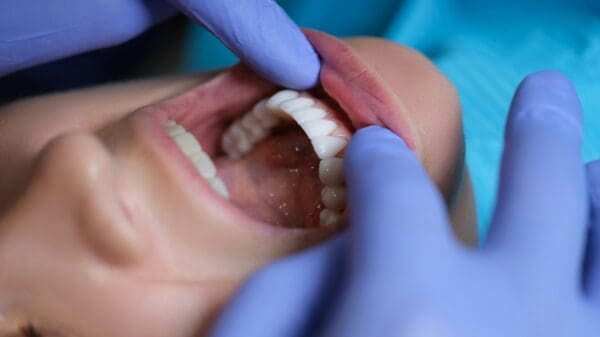
You might be feeling caught in the middle right now. Maybe your child is shy about smiling in school photos, you are noticing coffee stains and worn edges on your own teeth, and an older parent is worried their dentures make them look older than they feel. You want everyone in your family to feel comfortable and confident when they smile, yet you are not sure where to start or how to keep everyone’s needs straight. A trusted dental clinic in El Centro can help you navigate these different concerns and find solutions that work for your whole family.
Because of this tension, you might wonder if there is one trusted place that can care for your whole family and still pay attention to how your smile looks, not just whether you have cavities. That is where the idea of aesthetic confidence at every age comes in. A family and cosmetic dentist can protect oral health, support long term function, and also help each person feel proud of their smile.
In simple terms, here is the path ahead. First, you need a clear picture of what is going on for each age group in your family. Then, you can weigh the cost, time, and emotional impact of options. Finally, you can take a few practical steps that give you control again, instead of waiting for the next dental emergency to decide for you.
Why do smiles change so much from childhood to older adulthood?
It often starts with something small. A child hides their mouth when they laugh. A teen refuses to smile in photos. You notice your own teeth looking shorter and darker in the mirror, even though you brush every day. A parent or grandparent starts chewing only on one side because their denture feels loose. None of these moments feel serious on their own, yet together they create a quiet worry that seems to follow you.
The truth is that every life stage comes with its own oral health pressures. Children are figuring out brushing and facing their first cavities. Teens juggle braces, sports injuries, and self consciousness about appearance. Adults fight stains, grinding, stress, and often put their own care last. Older adults deal with dry mouth, tooth loss, and medical conditions that affect their mouths. It is a lot to track for one family.
There is also the emotional side. When someone does not like their smile, they may smile less, avoid social situations, or feel older than they are. That is not just cosmetic. Research on oral health and overall well being shows that dental problems affect nutrition, speech, self esteem, and even job opportunities. So this is about much more than looks. It is about how each person in your family shows up in daily life.
So where does that leave you when you are trying to choose the right kind of care.
What makes the family dentistry approach different?
A strong family dental home focuses on prevention, comfort, and trust, while cosmetic dentistry adds thoughtful attention to shape, color, and alignment. When a practice blends both, you get care that keeps teeth healthy and also supports a natural, confident smile at every age.
Think about a few real world examples.
- A child who is nervous at the dentist. A gentle family dentist builds trust early, uses simple language, and keeps visits positive. Small sealants and early cavity care prevent bigger problems later, which protects both health and appearance.
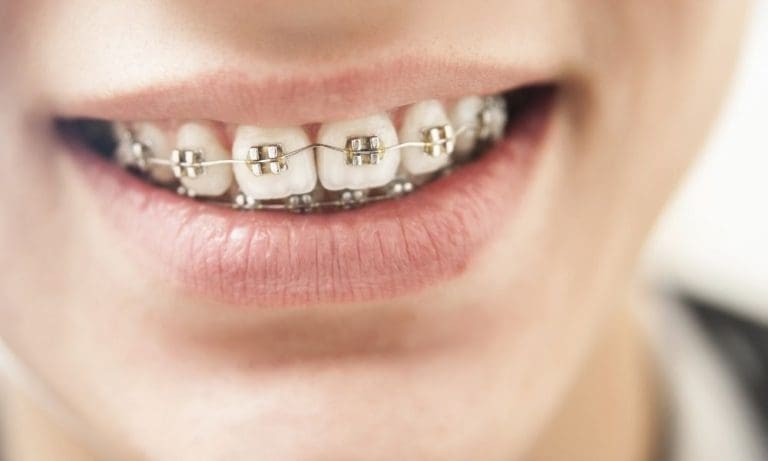
- A teen who just finished braces. Teeth are straighter, but there are still small chips or uneven edges. Cosmetic contouring and conservative whitening can make them feel ready for photos without over treating young teeth.
- A busy parent with worn, stained teeth from years of coffee and grinding. A family and cosmetic dentist can address clenching with a night guard, clean below the gums, then plan whitening or bonding that fits a realistic budget and schedule.
- An older adult with missing teeth. Instead of jumping straight to full dentures, a dentist can explore implants, partials, or bridges and match tooth color and shape so the smile still looks like “them.”
Because a family dentist sees everyone regularly, they notice patterns early. They can catch grinding in a teen before it wears down enamel. They can manage dry mouth in an older adult before it leads to rapid decay. They can keep cosmetic choices conservative, so you are not paying to fix what could have been prevented.
If you are wondering how to balance cost and benefit, or whether to wait until “things get worse,” it can help to see the tradeoffs more clearly.
How do general, cosmetic, and “wait and see” choices compare?
Many people feel stuck between doing nothing, choosing the simplest fix, or investing in appearance focused care. Each path has its place. The key is to understand what you gain and what you risk with each choice.
| APPROACH | WHAT IT FOCUSES ON | SHORT TERM IMPACT | LONG TERM IMPACT | BEST SUITED FOR |
| “Wait and see” or DIY | Postponing care, home remedies, cosmetic cover ups | Low upfront cost, no appointments, changes are often limited | Higher risk of pain, infections, tooth loss, and more complex treatment later | Minor, temporary concerns while you are arranging professional care |
| General family dentistry | Prevention, cleanings, fillings, gum health, basic repairs | Improved comfort, fewer emergencies, steady maintenance costs | Better overall health, lower risk of major procedures, more stable smiles | Every age group, especially children and adults without major cosmetic concerns |
| Family and cosmetic dentist | Health plus appearance, alignment, color, shape, and function | Boosted confidence, tailored care for each family member, coordinated plans | Stronger self image, better chewing and speech, smiles that age more gracefully | Families who value both oral health and how their smiles look over time |
Public health data supports choosing steady, preventive care. According to resources from the Health Resources and Services Administration, regular dental visits for adults reduce the burden of advanced disease and costly treatment later in life. You can read more about that in their overview of oral health for adults.
You do not need to become a dental expert to make thoughtful choices. You just need a few clear steps.
What can you do right now to protect your family’s smiles?
1. Map out each family member’s oral health story
Start with a simple list. For each person, write down the last dental visit, current concerns, and how they feel about their smile. Include things like “child has trouble brushing alone,” “teen embarrassed by stains after braces,” “I have sensitivity to cold,” or “grandparent struggles to chew steaks.”
Seeing everything in one place often reduces anxiety. It changes the problem from a vague worry into a set of clear needs a dentist can actually address. It also helps you prioritize. You might realize that your child’s recurring cavities need attention before you think about whitening your own teeth.
2. Focus on daily habits that support both health and appearance
The most powerful changes are often the simplest. Evidence based habits protect enamel, prevent gum disease, and keep teeth looking cleaner between visits.
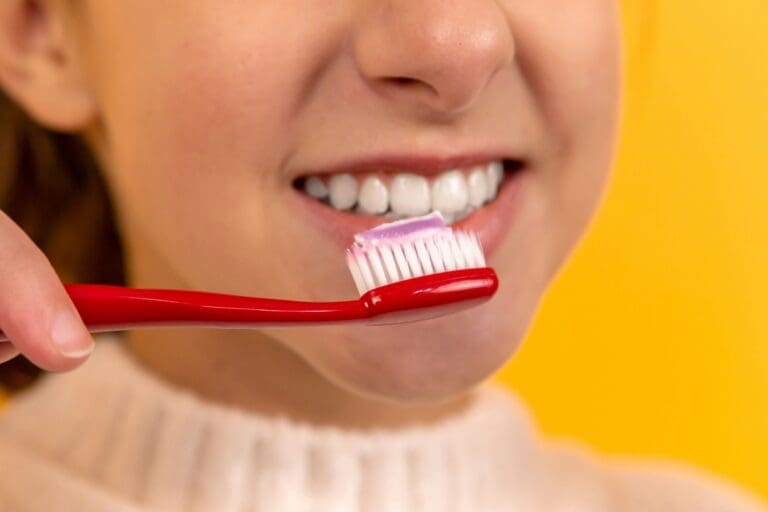
- Brush twice a day with fluoride toothpaste for two minutes.
- Floss once a day, or use interdental cleaners if regular floss is hard to manage.
- Limit frequent sipping on sugary drinks. Encourage water as the main drink between meals.
- Offer crunchy fruits and vegetables that gently clean surfaces while you chew.
If you would like a simple, science based guide, the National Institute of Dental and Craniofacial Research offers a clear overview of daily oral hygiene practices that you can share with your family.
3. Choose a dental home that understands aesthetics at every age
When you look for a dentist, ask questions that reveal how they balance health and appearance. For example, you can ask how they handle anxious children, what cosmetic options they recommend for teens and adults, and how they support older patients who want a natural looking smile. Notice if they rush toward complex cosmetic work, or if they start with prevention and conservative choices.
A strong family and cosmetic dentist will usually suggest a plan that starts with cleaning up disease, then strengthens function, and finally addresses appearance in a way that respects your budget and long term goals. That kind of partnership is what builds true smile confidence, not a quick cosmetic fix that ignores deeper problems.
Moving forward with calm and confidence
You do not have to fix every concern in your family’s mouths at once. You simply need to move from feeling scattered and reactive to feeling a bit more organized and supported. By understanding how oral health touches every stage of life, using daily habits that protect both health and appearance, and choosing a dental home that cares about aesthetic confidence at every age, you give your family a quiet but powerful gift.
Each small step you take now can mean fewer emergencies, easier appointments, and more unguarded smiles in the years ahead. If you ever doubt whether it is worth the effort, remember that a healthy, confident smile often reflects a healthier, more confident life.