Why Preventive Dentistry Protects Families From Higher Treatment Costs
You might be feeling that your family’s dental care has turned into a series of small fires you keep putting out. A sudden toothache. A broken filling. A school note about your child’s cavity. None of it feels dramatic on its own, yet the bills and the worry keep adding up, and you’re starting to wonder if finding a trusted North York dentist could finally bring some calm to the chaos.
It often starts with something simple. You push off a checkup because the calendar is full. You skip a cleaning because money is tight this month. Then a year passes, then two. By the time anyone gets to the dentist, the “quick visit” you hoped for has become a long appointment, a big procedure, and a bigger bill.
If that sounds familiar, you are not alone. Many families juggle the same pressures and wonder how to keep everyone healthy without draining their savings. The short answer is that preventive dentistry saves money, time, and stress. Small, regular steps today protect you from painful, expensive treatment later. Preventive care is not a luxury. It is the quiet safety net that keeps dental problems from turning into financial shocks.
So where does that leave you if you feel behind already. It means you still have room to turn things around, and the path is more practical and affordable than you may think.
Why do small dental problems turn into big financial headaches?
Think about a tiny cavity in a child’s tooth. At first, there may be no pain. Life is busy, so you postpone the checkup. Months pass. The cavity grows. By the time your child complains that it hurts to chew, the decay may be deep, even near the nerve. What could have been a quick filling might now need a crown or even a baby root canal.
The same pattern happens with adults. A little sensitivity when you drink something cold. Some bleeding when you brush. It is easy to ignore. Yet those early signs can mean gum disease is starting or a crack is forming in a tooth. Left alone, that can turn into infection, tooth loss, or a dental emergency that sends you to an urgent clinic at the worst possible time.
Emotionally, this is draining. You may feel guilty that you did not schedule that cleaning sooner. You may feel embarrassed about the condition of your teeth or your child’s teeth. You may feel angry that one appointment can cost so much. Those feelings are understandable, and they are exactly why a steady relationship with a family dentist focused on prevention can be such a relief.
Financially, the pattern is clear. Early care is usually simple and relatively low cost. Delayed care is more complex and far more expensive. A routine exam, cleaning, and X rays might cost less than a single large filling. A year or two of preventive visits is often cheaper than one crown or one emergency root canal.
So the real question becomes, how do you move from reacting to problems to staying ahead of them.
How does preventive dentistry actually lower treatment costs?
Preventive dental care is everything you and your dentist do to keep teeth and gums healthy before they break down. It includes brushing and flossing at home, regular cleanings, checkups, fluoride treatments, sealants for children, and early treatment of small issues.
Research supports this approach. Good oral hygiene and regular professional care reduce cavities, gum disease, and tooth loss. The Centers for Disease Control and Prevention explains how habits like brushing with fluoride toothpaste, limiting sugary drinks, and attending routine visits can significantly lower the risk of dental disease. You can read more about these basic steps in the CDC’s guidance on oral health prevention.
Early care is cheaper because problems are smaller. A shallow cavity often needs only a simple filling. Mild gum disease can sometimes be reversed with a thorough cleaning and better home care. Cracks can be watched or treated before they reach the nerve. Each of those choices avoids the cost and discomfort of more serious procedures later.
There is another hidden saving. When you see the same dentist regularly, they know your family’s history, your risk factors, and your budget. They can space out treatments, plan ahead, and help you avoid surprise costs. You are not just “a problem tooth” in a chair. You are a parent trying to raise healthy kids or an adult trying to stay out of pain and out of debt.
Because of this, a steady pattern of preventive visits often turns into fewer emergencies, fewer missed school and work days, and fewer nights spent worrying about how to pay for the next appointment.
What does the cost difference really look like over time?
It can help to see how costs compare when you lean on prevention instead of waiting for problems to explode. The numbers below are general ranges, but they show how quickly treatment costs climb when care is delayed.
| Type of Care | What It Involves | Typical Timing | Relative Cost Level |
|---|---|---|---|
| Preventive visit | Exam, cleaning, X rays, fluoride for kids, home care review | Every 6 to 12 months | Low |
| Early treatment | Small filling, sealant, early gum treatment | When a minor issue is found | Low to medium |
| Advanced treatment | Large fillings, crowns, deep cleanings, root canals | After months or years of delay | Medium to high |
| Emergency and restorative care | Extractions, implants, dentures, infection treatment | When problems are severe or painful | High |
For many families, two preventive visits a year for each person still cost less across several years than one or two major procedures. Insurance plans often cover most or all of preventive services because they know this saves money over time.
Good home habits make this even more effective. The National Institute of Dental and Craniofacial Research shares clear guidance on everyday steps like brushing twice a day with fluoride toothpaste and cleaning between teeth. You can find those practical tips in their information on daily oral hygiene.
When you combine strong home care with regular visits to a trusted family dentist, you give your family the best chance to avoid painful surprises and steep bills.
What can you start doing today to protect your family and your budget?
You do not need a perfect past to make better choices now. You only need a starting point. Here are three steps that can begin to turn things around.
1. Create a simple, realistic checkup routine
Begin by deciding that every person in your household will have at least one dental checkup and cleaning per year. Twice a year is often recommended, but once is better than none if that is what your budget allows today.
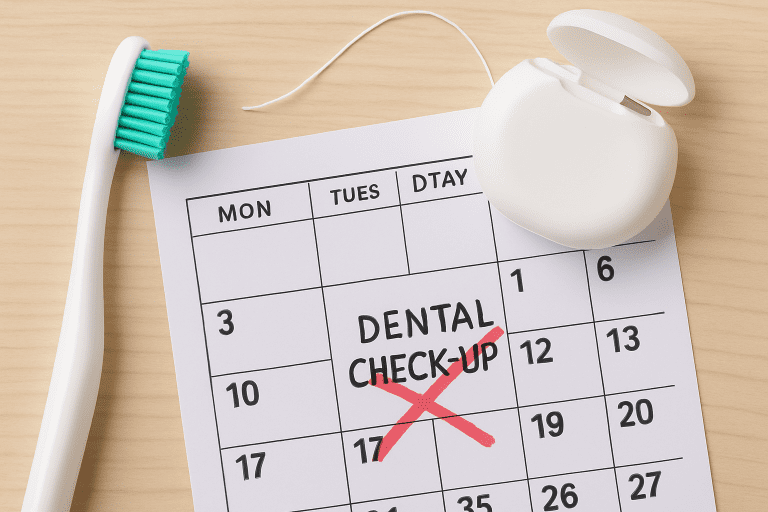
Write the names and months on a calendar. For example, children in the spring and fall, adults in the summer and winter. Set reminders in your phone. Treat these visits the way you would treat an important school exam or work deadline. The goal is not perfection. The goal is to make preventive visits a normal part of the year instead of a reaction to pain.
2. Strengthen home care with small, steady habits
You do not need expensive gadgets to improve daily care. You need consistency. Aim for brushing twice a day for two minutes with fluoride toothpaste. Help younger children or supervise them until you are sure they are thorough. Add once a day cleaning between teeth with floss or another tool your dentist recommends.
If your family struggles with routine, link brushing to something that already happens every day. After breakfast and before bed, for example. Use a timer or a song. Keep supplies in easy reach. These tiny habits reduce the number of cavities that ever have a chance to form, which means fewer fillings and fewer big procedures later.
3. Talk openly with your dentist about money and fears
Many people feel nervous or ashamed talking about cost. Yet open conversation is one of your strongest tools. When you schedule, say that you want to focus on preventive dental care and long term planning. During the visit, ask your dentist to explain what is urgent, what can wait, and what can be watched.
Request a written plan that shows the order of treatments and the fees. Ask about payment options, discounts for paying in full, or ways to spread visits over the year. A good family dentist understands that budgets are real and that fear is real. They will help you prioritize what protects your health and your wallet, not pressure you into doing everything at once.
Moving from crisis care to calm, predictable dental health
If you have been living in “crisis mode” with your teeth or your children’s teeth, it can feel like you are always one step away from the next emergency. That is an exhausting way to live. The hopeful truth is that you can change the pattern with small, consistent steps. Regular checkups, everyday home care, and honest conversations with a trusted provider can shift your family from costly repairs to steady maintenance.
You deserve a future where dental visits feel routine, not scary. Where your children grow up seeing the dentist as a normal part of staying healthy. Where you can plan your expenses instead of being blindsided by them. Starting now, even if you feel late, is enough.
You are not behind. You are at the beginning of doing things differently, and that is a powerful place to be.