Modern Bathtubs: Transforming Bathrooms Into Wellness Retreats
In today’s home design landscape, the bathtub is no longer an afterthought. It has become a statement piece that offers both visual elegance and remarkable comfort. For many homeowners looking to embrace a spa-like atmosphere, a bathroom tub remodel is one of the most impactful updates they can make. Modern bathtubs come in various shapes, materials, and features, providing endless possibilities to cater to any lifestyle or wellness goal.
The evolution of bathtub design reflects shifting priorities toward well-being and relaxation. Adding the right tub style to your bathroom can serve as a daily escape from stress while improving the overall aesthetic of your home. The increased popularity of sophisticated bathtubs underscores a desire for comfort as well as a savvy investment in home value.
With the market offering options for nearly every type of homeowner, understanding available choices is essential. Selecting the perfect bathtub means considering everything from layout flexibility and bath depth to safety and maintenance, allowing you to balance functional needs with your vision for a serene retreat.
Home designers and renovators are now encouraged to think beyond traditional models. Unique finishes, enhanced accessibility, and wellness-oriented features are not just trends but priorities for future-ready bathrooms. These upgrades align with greater consumer awareness about the benefits of thoughtful, restorative home environments.
Freestanding Tubs: Aesthetic Appeal and Flexibility
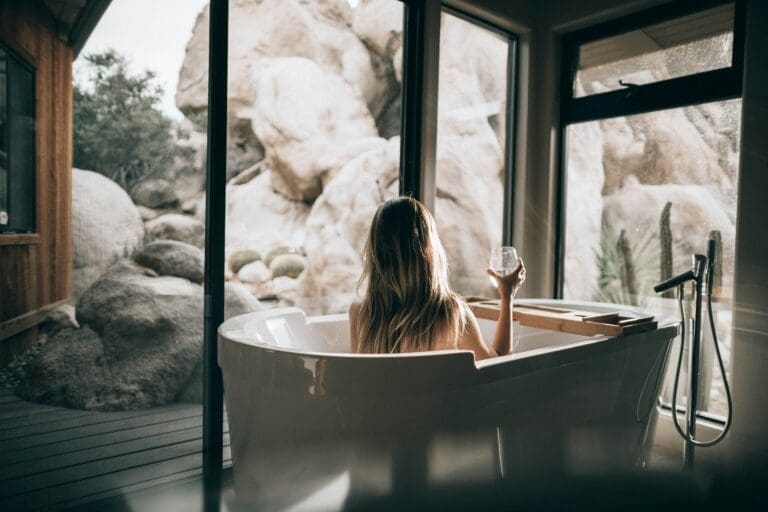
Freestanding tubs are eye-catching and versatile, transforming even standard bathrooms into something extraordinary. These tubs are not restricted by the rules of built-in units, giving designers creative freedom in their layouts. From sleek oval forms to dramatic clawfoot styles, freestanding tubs cater to diverse tastes. They can be placed as centerpieces, set near a window for natural light, or tucked into alcoves for cozy soaks. Available in compact and grand sizes, they fit both expansive bathrooms and more intimate spaces. As a result, freestanding tubs are favored by those aiming to craft a luxury spa environment at home.
Soaking Tubs: Enhancing Relaxation and Wellness
Soaking tubs are engineered for full-body immersion, offering a level of relaxation that typical bathtubs cannot match. Deep and often wider than standard models, soaking tubs are perfect for prolonged baths that soothe both body and mind. Their revival in modern bathroom design stems from a growing focus on creating spaces that nourish mental health and encourage mindfulness. Soaking tubs are ideal for anyone seeking a private, tranquil retreat amid the demands of everyday life. According to experts at Architectural Digest, these tubs are becoming a staple in wellness-forward bathroom renovations.
Walk-In Tubs: Accessibility and Safety
For those with mobility concerns, walk-in tubs offer essential safety without compromising on style or comfort. These tubs feature low thresholds for easy entry, handrails for support, and slip-resistant bases, which work together to drastically reduce the risk of falls. Walk-in models often come with hydrotherapy jets, adjustable seating, and quick-drain systems, providing both therapeutic and practical benefits. Their independence-boosting design makes them highly appealing for households prioritizing aging in place, ensuring dignity and self-sufficiency for users at every stage of life.
Material Considerations: Durability and Maintenance
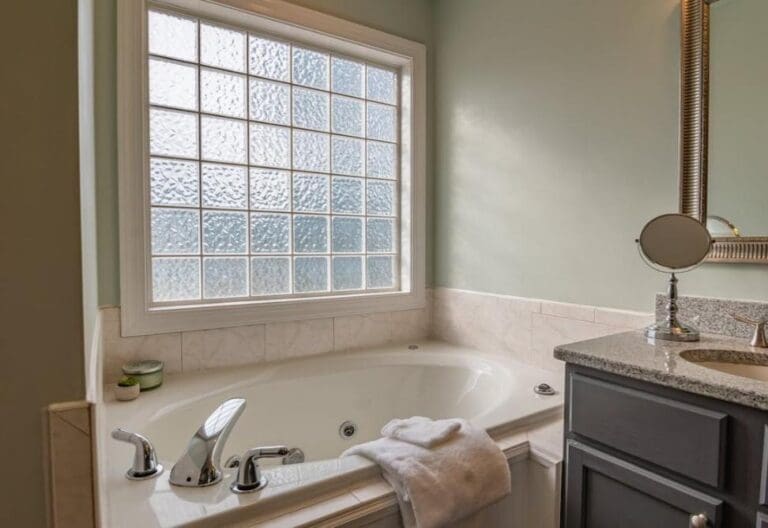
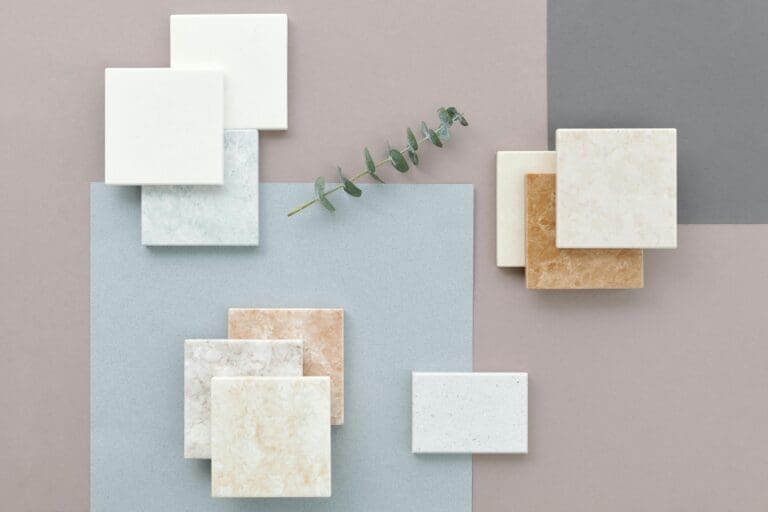
The material you select for your bathtub is crucial for both its lasting beauty and ease of care. Solid surface bathtubs are an increasingly popular choice due to their seamless, nonporous finish, which naturally resists bacteria and is easily cleaned. They can also be buffed or repaired in case of minor scratches or dings, maintaining their allure over time. Acrylic tubs, on the other hand, are renowned for being lightweight, strong, and simple to maintain, often offering a good balance between cost-efficiency and durability. Material choice impacts not only the aesthetic but also the thermal properties, influencing how long your bath will stay warm. For a deeper dive into material trends, Architectural Digest provides industry insights and comparisons.
Incorporating Modern Bathtubs into Bathroom Design
With so many bathtub types and materials on the market, integrating the right one into your bathroom means considering design, comfort, and practicality. Begin by accurately measuring your space, then determine which tub styles align with your household’s needs. For those who may require extra support, prioritize models that offer accessibility features such as handrails or lower entries. When setting a maintenance routine, choose materials whose durability matches your everyday habits. Enhance your bathing experience with customizable options like massage jets, mood lighting, or heated backrests for a tailored sanctuary. Collaborating with experienced bathroom designers or contractors can make installation seamless, ensuring your new tub enhances both form and function in your home.
Conclusion
Investing in a modern bathtub is more than a style choice; it elevates your everyday routine into a restorative practice. Whether you dream of the sculptural impact of a freestanding tub, the meditative comfort of a soaking tub, or the peace of mind offered by a walk-in model, today’s options allow homeowners to find the perfect balance between beauty, practicality, and personal wellness. Carefully chosen styles and materials can turn your bathroom into a valued personal retreat while adding lasting value to your property.