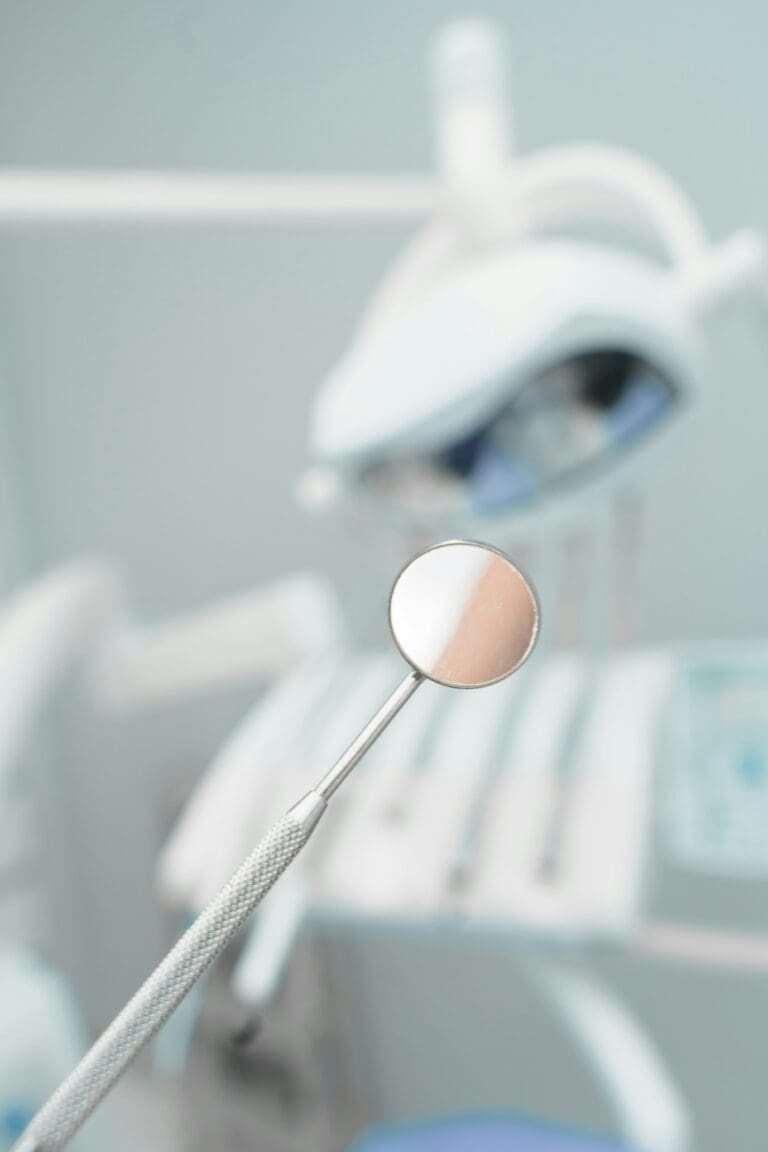
Why General Dentistry Should Be A Core Part Of Your Healthcare Routine

Your mouth tells the truth about your health. General dentistry is not cosmetic. It is basic care that keeps you steady. When you skip regular checkups, small problems grow into infections, pain, and costly emergencies. Routine cleanings and exams help your body fight disease. They also protect your heart, lungs, and blood sugar. You need this care as much as you need a primary doctor. You brush and floss. That is not enough. A trained eye sees what you cannot. A simple visit can catch decay, gum disease, and early signs of cancer. Each checkup gives you a clear plan and control. If you already see a dentist in Denton, TX, you are taking a strong step. If you do not, now is the time to treat dental care as part of your health routine, not an extra chore.
How Your Mouth Connects To Your Whole Body
Your mouth is a gateway. Germs in your gums and teeth move into your blood. They spread to your heart and lungs. They strain your immune system. The Centers for Disease Control and Prevention explains that poor oral health is linked to heart disease, stroke, and pregnancy problems.
You may notice three common signs.
- Bleeding gums when you brush
- Bad breath that does not go away
- Sensitive or loose teeth
These signs are warnings. They show ongoing inflammation. That same inflammation can harm your blood vessels and organs. Regular general dentistry visits lower this hidden strain on your body.
Why Home Care Is Not Enough
Brushing and flossing are essential. Yet they remove only part of the sticky film on your teeth. Plaque hardens into tartar. You cannot remove tartar at home. Only a trained team with proper tools can do that safely.
Routine general dentistry visits give you three things you cannot get from home care.
- Deep cleaning that removes tartar above and below the gumline
- Careful exams that find early decay and gum disease
- Guidance on simple daily habits that fit your life
These steps keep small issues small. They also stop the silent damage that builds over the years without pain.
General Dentistry Compared To Emergency Care
Many people wait until they hurt. Pain feels urgent. Prevention does not. Yet steady care saves you time, money, and stress. This simple table compares routine general dentistry visits with emergency visits.
| Type of visit | When it happens | Common reasons | Likely cost | Impact on your life |
|---|---|---|---|---|
| Routine checkup and cleaning | Every 6 to 12 months | Prevention and early detection | Low to moderate | Short visit. Little or no pain. Protects long-term health. |
| Emergency visit | When severe pain or swelling starts | Infection, broken tooth, deep decay | High | Missed work or school. Strong pain. Possible surgery. |
| Follow up after emergency | Weeks to months after crisis | Root canal, crown, or extraction | High | Multiple visits. Ongoing limits on eating and speaking. |
Routine care is steadier and calmer. Emergency care is chaotic and draining. You choose which path you use most.
How General Dentistry Protects Children And Teens
Children carry the weight of their early dental care into adult life. Cavities in baby teeth increase the risk of cavities in adult teeth. The American Academy of Pediatrics notes that early decay affects school attendance and learning.
You can give your child three simple protections.
- First dental visit by age one or within six months of the first tooth
- Checkups every six months or as advised
- Fluoride and sealants when recommended
These steps lower pain, missed school days, and fear of the dentist. They also teach your child that caring for teeth is normal health care, not a punishment.
Support For Adults With Chronic Conditions
If you live with diabetes, heart disease, or lung disease, your mouth needs closer care. Gum disease can make it harder to control blood sugar. In turn, high blood sugar feeds infection in your gums. This cycle is harsh and quiet.
Your general dentist can help you break that cycle. You can work together on three habits.
- More frequent cleanings if your gums stay inflamed
- Simple changes to brushing and flossing that fit your energy level
- Clear communication with your medical team about any infections
Each step lightens the burden on your body. You gain more control over your condition and your comfort.
What To Expect At A Routine General Dentistry Visit
Knowing what will happen reduces fear. A typical visit follows three steps.
- Review. You share your medical history, medicines, and any pain. The team checks your blood pressure and may take X rays.
- Cleaning. A hygienist removes plaque and tartar. Teeth are polished. Gums are checked for depth and bleeding.
- Exam and plan. The dentist checks each tooth, your gums, tongue, and cheeks. You receive a clear plan for any needed care and the timing for your next visit.
You leave with information, not shame. You also leave with small tasks you can handle at home.
Making General Dentistry Part Of Your Routine
Dental care works best when it is steady. You can fold it into your life with three simple moves.
- Schedule your next visit before you leave the office
- Set reminders on your phone or calendar
- Link your visit to another regular event such as school breaks or annual checkups
If cost or fear blocks you, speak up. Many offices offer payment plans. Many also understand fear and use gentle methods and clear steps to ease it.
Take The Next Step For Your Health
Your teeth and gums carry quiet stories about your heart, blood sugar, lungs, and stress. Routine general dentistry visits help you rewrite that story. You gain fewer surprises, fewer emergencies, and more steady days.
Schedule your next checkup. Treat it with the same respect you give to any doctor visit. Your future self will feel the relief.