6 Preventive Treatments Dentists Recommend For Families

Healthy teeth protect more than your smile. They protect your comfort, sleep, speech, and confidence. When you skip preventive care, small problems grow into deep pain, emergency visits, and high bills. Routine care is more effective after treatment, but smart prevention keeps your family away from that cycle. A dentist in Sunnyvale, CA can guide you, but you still make the choices at home every day. You decide what your kids drink, how often they brush, and when you all see a dentist. Those small habits either guard your teeth or slowly wear them down. This blog explains six simple preventive treatments that dentists trust for children, teens, adults, and older adults. You will see what each treatment does, who needs it, and how often to get it. You will also learn how to talk with your dentist so your family gets steady protection, not quick fixes.
1. Regular checkups and cleanings
Checkups and cleanings form the base of any prevention plan. You cannot protect what you do not watch.
During a visit, the dentist and hygienist usually:
- Check every tooth and your gums for early decay and infection
- Measure gum health and look for bleeding or swelling
- Remove plaque and hardened tartar that brushing leaves behind
The American Dental Association explains that routine visits help catch problems early, when treatment stays simple and less costly.
Most families need visits every six months. Some people with gum disease, many cavities, or diabetes may need visits every three or four months. Children with braces also need close follow-up.
Ask the dentist three clear questions.
- How often should each person in the family come in
- Are there early warning signs you should watch for at home
- What is the plan if a small spot turns into a cavity
2. Dental sealants for children and teens
Sealants cover the chewing surfaces of back teeth. These teeth trap food in deep grooves. That trapped food feeds cavity bacteria.
A sealant is a thin coating that blocks those grooves. It keeps food and germs out. It does not hurt. It does not require shots. The dentist cleans the tooth, places the material, and hardens it with a light.
Sealants work best for:
- Children when first and second permanent molars come in
- Teens with deep grooves on back teeth
- Some adults with high cavity risk
The Centers for Disease Control and Prevention reports that sealants can prevent many cavities in kids over several years.
3. Fluoride treatments for stronger enamel
Fluoride strengthens enamel. It makes teeth more resistant to acid from food and bacteria. It also helps repair very early decay before a hole forms.
Fluoride comes in three main forms.
- Fluoride toothpaste for daily use
- Fluoride in tap water in many communities
- Professional fluoride treatments in the dental office
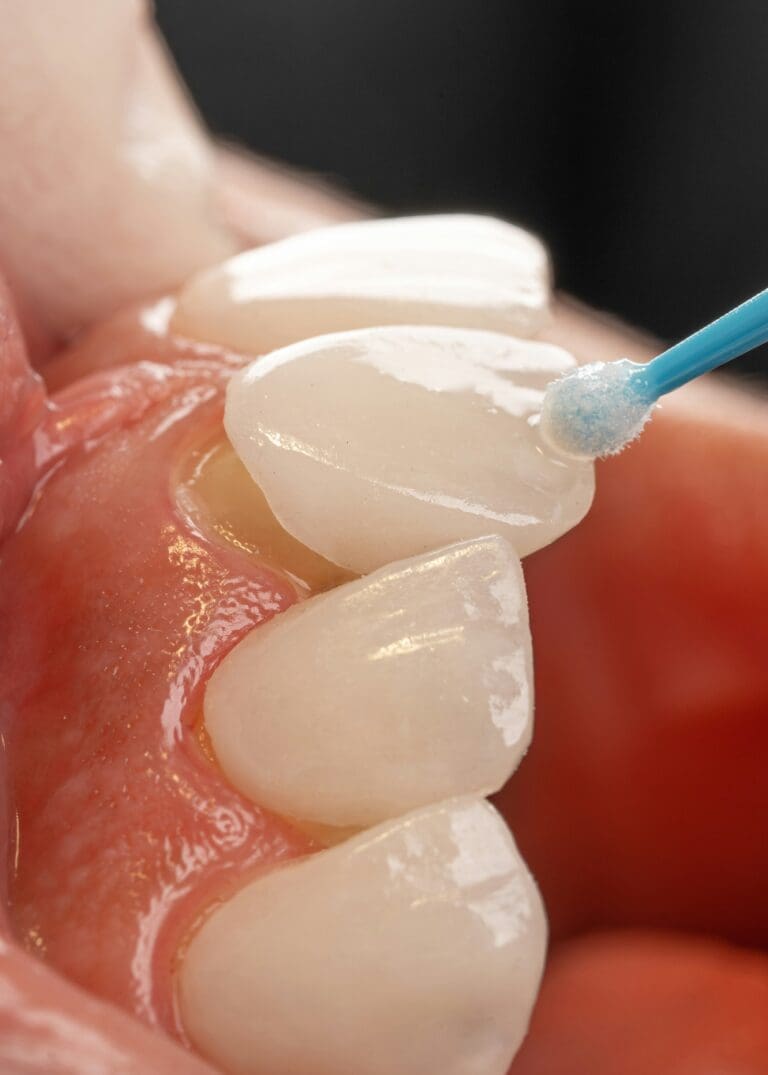
Professional fluoride can be a foam, gel, or varnish. The dentist paints or places it on the teeth at the end of a visit. Children, teens with braces, and adults with many fillings or dry mouth often need these treatments.
Ask the dentist how often your family needs fluoride. The answer may differ for each person based on age, diet, and cavity history.
4. Professional cleanings to control gum disease
Gum disease starts quietly. Gums bleed when you brush. Breath smells bad. Over time, bone can shrink, and teeth can loosen.
Routine cleanings remove soft plaque and hard tartar at and below the gum line. That cleaning lowers the number of harmful bacteria. It also creates a clean surface so you can brush and floss well at home.
For early gum disease, the dentist may suggest deeper cleaning. This treatment smooths the root surfaces and removes hidden tartar. It often happens in sections of the mouth over one or two visits.
To protect your gums between visits, focus on three steps.
- Brush two times each day with fluoride toothpaste
- Clean between teeth every day with floss or small brushes
- Quit tobacco and limit sugary drinks
5. Mouthguards for sports and teeth grinding
Mouthguards protect teeth from sudden hits and from constant grinding. They act as a cushion between the upper and lower teeth.
There are two common uses.
- Sports mouthguards for contact sports and active play
- Night guards for people who clench or grind during sleep
A custom guard from the dentist fits better than a store product. It feels more secure, so children and adults wear it more. That consistent use prevents chipped teeth, broken fillings, and sore jaws.
Ask the dentist if your child needs a guard for sports like basketball, soccer, or martial arts. Also, ask if anyone in the family shows signs of grinding, such as flat teeth, jaw pain, or morning headaches.
6. X-rays to catch hidden problems early
Some problems hide between teeth or under fillings. X-rays help the dentist see those hidden spots. They give a clearer picture of tooth roots and bone levels.
Common types include:
- Bitewing images that show decay between back teeth
- Periapical images that show the full root and surrounding bone
- Panoramic images that show all teeth and jaws in one picture
The dentist orders X-rays based on age, cavity history, and risk. Children usually need them more often because teeth and jaws change quickly. Adults with low risk may need them less often.
Radiation from dental X-rays stays very low. Lead aprons and modern sensors reduce exposure further. You can ask what type of X-ray is planned and why it is needed.
How these treatments work together
Each treatment adds a layer of safety. Together, they give your family a strong shield against decay and gum disease.
| Treatment | Main purpose | Best for | Typical schedule |
|---|---|---|---|
| Checkups and cleanings | Find problems early and remove plaque and tartar | All ages | Every 6 months or as advised |
| Dental sealants | Block food and bacteria from deep grooves | Children and teens | Once per new molar, touch up as needed |
| Fluoride treatments | Strengthen enamel and repair early decay | Kids, teens, high risk adults | Every 3 to 12 months |
| Gum care cleanings | Control gum disease and protect bone | Teens and adults | Every 3 to 6 months |
| Mouthguards | Protect teeth from impact and grinding | Sports players and grinders | Nightly or during play |
| X rays | Find hidden decay and bone changes | All ages | Every 1 to 3 years, based on risk |
Taking the next step with your family dentist
You do not need to request every treatment at once. Instead, start with a simple plan.
- Schedule routine visits for each person in the family
- Ask which of the six treatments each person needs this year
- Set reminders so no one skips appointments
Preventive care protects your comfort and your budget. It gives your family quieter nights and fewer urgent visits. With steady habits at home and smart treatment choices in the office, you keep small problems small and protect every smile in your home.