3 Ways Family Dentists Support Children With Anxiety

You might be feeling that every dental visit turns into a battle. Your child clings to you in the waiting room, their eyes fill with tears when they hear the drill, and by the time you reach the chair, everyone is exhausted. You are not overreacting, and you are not alone. Dental anxiety in children is very common, and it affects the whole family, not just the child in the chair. A compassionate Clermont dentist can make these visits feel safer and more manageable for both you and your child.end
At the same time, you know that skipping care is not an option. Small problems can grow into painful emergencies, missed school days, and even higher treatment costs. So you are stuck between your child’s fear and your responsibility to protect their health. That tension is heavy. Because of this, you might wonder whether a family dentist for anxious children can really make a difference, or if every appointment is destined to be a struggle.
There is good news. Many family dentists are trained to work with worried and fearful children, using gentle communication, behavior guidance, and flexible treatment plans. The goal is not to “toughen up” your child. The goal is to help them feel safe, respected, and gradually more confident each time they visit.
Here is the short version. Family dentists support children with anxiety in three key ways. They use specialized behavior techniques, they create a calming environment that respects your child’s pace, and when needed, they bring in medical tools like numbing gels or sedation to reduce fear and discomfort. When these pieces work together, dental visits become more predictable, less frightening, and sometimes even positive.
Why does dental anxiety hit children so hard, and what makes it worse?
Think about what a dental visit looks like from a child’s point of view. They are in a strange room, lying back in a chair, bright light in their face, unable to see what is happening inside their mouth. They hear unfamiliar sounds and feel odd sensations. If they have had a painful or rushed visit in the past, their mind connects “dentist” with “danger” very quickly.
This anxiety can show up in different ways. Some children cry or refuse to open their mouth. Others go quiet and rigid, then melt down afterward. You might feel torn between comforting your child and trying to “get it over with” so the dentist can work. That pressure can make everyone feel worse.
Research from pediatric dental groups, such as the American Academy of Pediatric Dentistry’s guidance on behavior management, confirms that anxiety is not just “bad behavior.” It is a real emotional response that deserves thoughtful support. When it is ignored, children may refuse care, develop long term dental fear, and even avoid dentists as adults.
So where does that leave you when your child is already anxious and appointments are on the calendar?
Way 1: Gentle behavior guidance that respects your child’s emotions
One of the most important ways a family dentist for kids’ anxiety can help is through behavior guidance. This is not about tricks or bribes. It is about using psychology and communication to build trust.
Many family dentists use “tell show do.” They first explain in simple words what they are going to do, then show your child the mirror, the brush, or the suction straw, and only then do the procedure. This gives your child a sense of control and predictability. It turns the unknown into something they can understand and handle.
Another common method is positive reinforcement. The dentist notices and praises small brave moments. “You kept your mouth open so well while I counted your teeth. That helps me so much.” This builds your child’s confidence in themselves, not just in the dentist.
For very anxious children, the dentist might also use gradual exposure. The first visit could focus only on sitting in the chair and counting teeth. The next visit might add a gentle cleaning. Progress is measured in comfort, not just in completed procedures. Guidance from sources such as the Child Caries dental anxiety guidance supports this step by step approach.
When a dentist uses these methods, your child feels listened to instead of pushed. That alone can lower anxiety dramatically.
Way 2: A calming environment that makes the dental chair feel safer
Even the best behavior guidance can struggle if the environment feels harsh. Family dentists who focus on anxious children pay attention to the small details that shape how a visit feels from the moment you walk in.
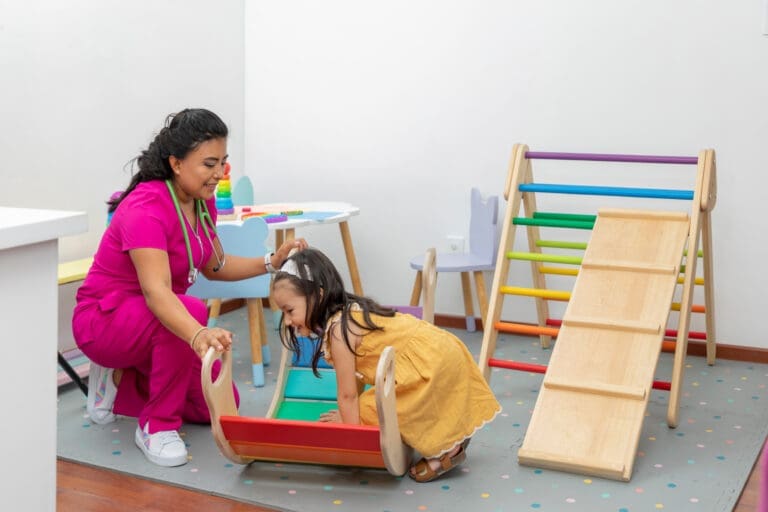
This might include a quieter waiting room, toys or books that distract from worry, and staff who greet your child by name. In the treatment room, there may be ceiling TVs, music, or comfort items like blankets and sunglasses to soften bright lights.
Many dentists also adjust the pace of the appointment. They pause when your child signals discomfort. They offer choices where possible, such as “Do you want me to count your top teeth or bottom teeth first?” These tiny choices add up to a sense of control, which is powerful against fear.
For you as a parent, this supportive environment can lower your own stress. When you feel less pressured or judged, it is easier to stay calm in front of your child, which helps them feel safer too.
Way 3: Medical tools like numbing and sedation used thoughtfully
Sometimes, even with gentle communication and a calming space, a child’s anxiety is still high, especially if they need more complex treatment. This is where medical tools come in. Many family dentists use numbing gels, local anesthesia, or different levels of sedation to make procedures more manageable.
Numbing gels and local anesthetic reduce pain, which is a major source of fear. When children learn that “the shot” or “the drill” does not have to hurt, their anxiety can slowly decrease for future visits.
For children with severe dental anxiety, developmental differences, or a strong gag reflex, some dentists may recommend sedation options, such as nitrous oxide (laughing gas) or deeper forms of sedation. These approaches are guided by professional standards similar to those described in pediatric behavior guidance policies, with careful monitoring and clear instructions for parents.
Used thoughtfully, these tools are not shortcuts. They are part of a wider strategy to protect your child’s emotional and physical well being, and to prevent traumatic experiences that could last into adulthood.
How do these approaches compare, and which might fit your child?
It can help to see the main approaches side by side so you can think about what might suit your child’s needs and personality.
| Support Approach | What It Focuses On | Best For | Possible Limitations |
|---|---|---|---|
| Behavior guidance & communication | Building trust, explaining steps, gradual exposure, praise | Mild to moderate anxiety, first dental visits, ongoing care | May take multiple visits before a child feels comfortable |
| Calming environment & sensory support | Reducing noise, lights, and overwhelm. Offering distractions and choices. | Children who are shy, sensitive to noise or light, or easily overwhelmed | Does not replace medical support when significant treatment is needed |
| Numbing & sedation options | Reducing physical discomfort and intense fear during procedures | Severe anxiety, complex treatments, strong gag reflex, special needs | Requires careful monitoring and may not be available in every family dental office |
Many families find that a mix of these approaches works best. For example, a child might start with short, simple visits focused on behavior guidance, then use numbing for a filling, all within a calm, supportive environment.
What can you do right now to help your anxious child at the dentist?
1. Have an honest conversation with your family dentist
Before the appointment, call the office and explain your child’s specific fears and past experiences. Ask what strategies they use for anxious children, whether they follow behavior guidance approaches similar to those recommended by pediatric dental organizations, and how they involve parents during visits. A dentist who welcomes this conversation is more likely to be a good partner for your child.
2. Prepare your child with calm, simple expectations
Talk about the visit in clear but gentle terms. Avoid scary words like “shot” or “hurt.” Instead, you might say, “The dentist will count your teeth and clean them with a special brush. If anything feels strange, you can raise your hand and they will stop.” You can read a children’s book about the dentist or watch a short, friendly video to make the setting feel familiar before you arrive.
3. Focus on small wins, not a perfect appointment
After the visit, notice what went even slightly better than last time. Maybe your child sat in the chair without crying, or allowed the dentist to look in their mouth for a moment. Praise those steps specifically. “You were so brave when you opened your mouth to let the dentist count. That was a big deal.” Over time, these small wins build up and dental visits usually get easier.
Moving forward with more confidence and less fear
You carry a lot on your shoulders trying to protect your child’s health while also guarding their emotional well being. Dental anxiety can make you feel stuck, guilty, and alone. You deserve to know that with the right support from a caring family dentist, your child’s fear can soften, and visits can become more predictable and less draining.
The most important step is not to give up or avoid care. Instead, choose a dentist who understands anxiety, ask questions about their approach, and take each appointment one step at a time. Over months and years, that steady, gentle path can transform how your child feels about the dental chair and give them healthier teeth for life.