How Hormonal Balance Affects Women’s Health Across the Lifespan

Hormones play a fundamental role in women’s health from adolescence through menopause. These chemical messengers influence virtually every function in the body, from metabolism to mood. According to Columbus, Ohio menopause specialist Courtney Gilbert, PA-C, understanding hormonal fluctuations is essential not only for managing symptoms but also for optimizing long-term well-being.
While many are familiar with hormonal birth control as a means to regulate hormone levels, there are multiple other strategies. As stated by Gilbert, “Hormonal birth control isn’t the only option for regulating hormone fluctuations. Insulin response optimization, gut healing, and hormone replacement therapy can all be viable alternatives. The goal is to understand what’s driving symptoms, then create a plan that stabilizes hormones in a way that aligns with a patient’s overall health and long-term goals, which may include pregnancy.” This holistic approach underscores the importance of individualized care at every life stage.
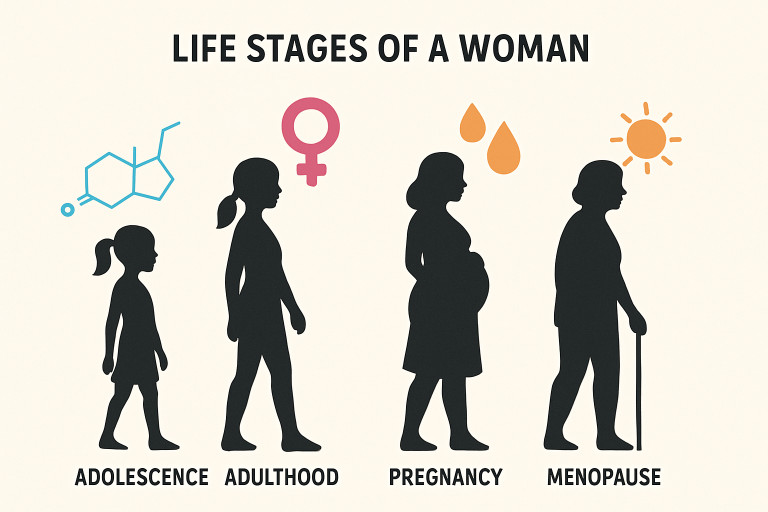
Women face unique hormonal changes that not only affect reproductive health but also have far-reaching impacts on physical and emotional well-being. Each phase of life brings new challenges and opportunities for intervention. Grasping the broader context of hormonal health can help women advocate for the support and care they need.
Emerging research continues to shed light on the ties between hormonal balance and core aspects of women’s wellness, highlighting preventive care and lifestyle choices as powerful tools for support. Developing this understanding can also encourage informed conversations with healthcare providers about symptom management and preventative care.
Puberty: The Onset of Hormonal Changes
Puberty signals the awakening of the female endocrine system. The pituitary gland initiates a cascade of hormones that instructs the ovaries to produce estrogen and progesterone. These hormones promote breast development, pubic hair growth, and the onset of the menstrual cycle, marking the transition from childhood to adulthood.
Hormonal changes during puberty have a profound effect on both body and mind. Adolescents often experience mood swings, changes in energy, and evolving body image. It is crucial to recognize these shifts as normal aspects of development, and to support adolescent girls with accurate information and compassionate care.
The Menstrual Cycle: Monthly Hormonal Fluctuations
Throughout the menstrual cycle, women experience predictable patterns in estrogen and progesterone. These monthly rhythms orchestrate ovulation and the shedding of the uterine lining. In addition to affecting the reproductive system, hormonal fluctuations can also impact brain structure and function. Recent studies have documented that brain regions related to emotion, self-regulation, and memory shift slightly in size and activity in sync with hormone levels during the menstrual cycle.
Such shifts mean many women notice changes in mood, sleep, and cognitive performance around their cycle. It is important to acknowledge these variations as biological responses rather than personal failings, and to plan for any needed self-care during more challenging times in the cycle.
Pregnancy: Hormonal Shifts and Their Impact
Pregnancy prompts a dramatic transformation in the hormonal landscape. Levels of hormones such as hCG, estrogen, and progesterone rise to support fetal development, boost blood flow, and prepare the body for labor. These surges bring about physical symptoms such as morning sickness, increased appetite, and fatigue, as well as emotional shifts.
Maintaining hormonal balance is especially crucial during pregnancy. Nutrient-rich diets, regular gentle exercise, and proactive prenatal care can help regulate hormone production and mitigate discomfort. Likewise, recovering from childbirth involves a gradual recalibration of hormone levels, affecting everything from mood to metabolism. Having support during this period is essential for physical healing and emotional stability. Guidance from a healthcare provider can ensure safe and healthy transitions for both mother and baby.
Menopause: The Decline of Reproductive Hormones
Menopause marks the end of a woman’s reproductive years, with the average age being 51. This transition brings a steady drop in estrogen and progesterone, leading to symptoms like hot flashes, night sweats, and changes in mood. The loss of estrogen has implications for bone health, as decreased levels are linked with a higher risk of osteoporosis and fracture. Preventive measures such as weight-bearing exercise and calcium supplementation can help offset these risks.
Beyond bones, new research shows that hormonal shifts in menopause also change the gut microbiome, which influences overall health, immune function, and metabolic risk. Adapting to menopause often involves a blend of medical management and lifestyle changes, guided by expert advice and personalized care planning.
Hormones and Mental Health
The relationship between hormones and mental health is complex but significant. Fluctuations in estrogen, progesterone, and other hormones have been linked to higher susceptibility to mood disorders, including depression and anxiety. The cyclical nature of female hormones means some women may notice mental health symptoms appearing at particular times of the month or during transitional life phases.
Proactively addressing mental health concerns is crucial. Strategies may include counseling, medical therapies, support groups, or holistic approaches, depending on an individual’s needs. Healthcare professionals recommend that women track symptoms and communicate openly about mental health, as early support can improve quality of life and prevent future complications.
Lifestyle Factors Influencing Hormonal Balance
Every day choices have a powerful influence on hormones. Consuming a varied, balanced diet that is rich in whole grains, lean protein, healthy fats, fruits, and vegetables provides the nutrients needed for hormone production and regulation. Regular physical activity has positive effects on insulin sensitivity and stress hormones.
Stress management techniques, such as mindfulness, meditation, or yoga, can lower cortisol and support more stable hormone levels. Limiting alcohol, avoiding tobacco, and prioritizing sleep are additional ways to protect hormonal health. Being proactive about these lifestyle choices can empower women to take charge of their long-term wellness.
Conclusion
Hormonal balance is a cornerstone of women’s health at every stage of life. By deepening their understanding of hormonal shifts and integrating supportive lifestyle habits, women can better manage symptoms and promote lifelong well-being. With guidance from specialists like Courtney Gilbert, PA-C, and evidence-based resources, women can make informed decisions that support both immediate health and future goals.