What Is Occupational Therapy for Kids and Is It Right for Your Child?
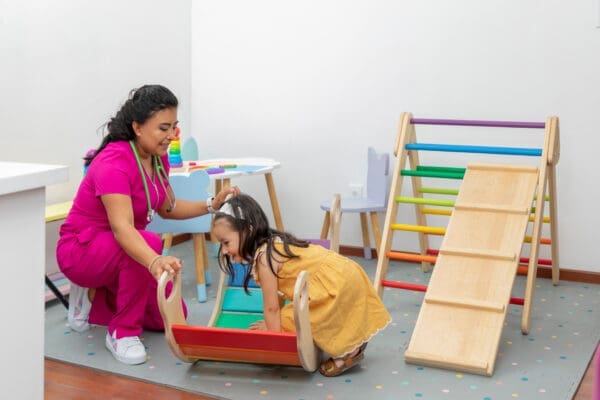
Occupational therapy is designed to help people across all age groups have the life skills they need to engage in critical and meaningful activities. For children, occupational therapy focuses on improving their ability to participate in everyday tasks, from self-care to school performance. But what exactly does occupational therapy for kids entail, and how do you know if it’s the right choice for your child?
Explore the ins and outs of pediatric occupational therapy and how it can be helpful for a wide variety of diagnoses and challenges through this article. Continue reading to learn more.
What Is Pediatric Occupational Therapy?
Pediatric occupational therapy is a branch of occupational therapy services specifically tailored to children. It addresses a wide range of developmental, physical, and sensory challenges that may interfere with a child’s ability to perform daily activities. Occupational therapists help children enhance their motor skills, sensory processing, cognitive abilities, and social interactions, along with addressing other developmental and functional areas.
Children who may benefit from occupational therapy include those with developmental delays, autism spectrum disorders, Cerebral palsy, Sensory processing disorders, Traumatic brain injury, Genetic Disorders, and other medical conditions. Additionally, kids with anxiety, poor impulse control, or behavioral issues may also find occupational therapy helpful in managing their emotional regulation and improving their quality of life.
How Does Occupational Therapy Help Kids?
Occupational therapy for kids is designed to help children achieve their personal goals and improve their functional ability in everyday life. The following are areas where occupational therapy can make a significant difference:
1. Improving Motor Skills
Occupational therapists help children develop fine and gross motor skills, which are helpful for writing, dressing, and playing. For children with motor delays or conditions like cerebral palsy or brachial plexus injury, therapists may use adaptive equipment or specific motor activities to enhance their motor control and coordination.
2. Enhancing Sensory Processing Abilities
Children with sensory processing issues, such as sensory overload or poor eye contact, often struggle with everyday tasks. Occupational therapy professionals use sensory regulation techniques to help kids better process sensory input and participate in daily routines.
3. Building Daily Living Skills
Occupational therapy programs focus on helping children gain independence in their daily living activities, from self-care skills like brushing teeth and dressing to more complex tasks like meal preparation. For example, a picky eater might work with an occupational therapist to expand their food preferences and improve their feeding skills.
4. Supporting Cognitive and Visual-Perceptual Skills
Occupational therapy sessions often target cognitive skills, such as problem-solving and memory, as well as visual motor skills, like eye-hand coordination. These are crucial for academic success and participation in school.
5. Promoting Social and Communication Skills
Occupational therapy can help improve nonverbal skills, social interchanges, and communication aptitudes for children with autism spectrum disorders or other social challenges. Therapists may use role-playing or group activities to teach kids how to navigate social situations.
6. Addressing Emotional and Behavioral Regulation
Children with anxiety, attention deficit hyperactivity disorders, or poor impulse control can benefit from occupational therapy’s focus on emotional regulation and behavioral regulation. Therapists work with kids to develop coping strategies and improve their emotional response to challenges.
By addressing these key areas, occupational therapy empowers children to overcome challenges, build confidence, and develop the skills they need to thrive.

Is Occupational Therapy Right for Your Child?
Deciding whether occupational therapy is right for your child depends on their unique needs and challenges. If your child is struggling with developmental delays, motor skills, sensory issues, or daily tasks, consulting an occupational therapist may be a good first step. Here are some signs that your child might benefit from occupational therapy:
Consult a developmental pediatrician and other pediatric experts who can help you determine if occupational therapy is appropriate. They may refer you to a rehabilitation center, health care facility, or occupational therapy department for an evaluation.
What to Expect in Occupational Therapy
Occupational therapy for kids is highly individualized. During the first session, an occupational therapist will assess your child’s level of function and create a treatment plan tailored to their needs. This plan may include:
- Therapeutic activities: Age-appropriate activities to improve motor planning, bilateral coordination skills, and visual-perceptual skills.
- Adaptive equipment: Equipment evaluations to determine if assistive equipment, such as bathing equipment or serial casting, could enhance your child’s functional ability.
- Sensory integration techniques: Activities to address sensory processing disorders and improve sensory regulation.
- Collaboration with other professionals: Occupational therapists often work closely with physical therapists, speech therapists, and other allied health professionals to provide comprehensive care.
Therapy for children can take place in various settings, including schools, rehabilitation centers, or outpatient clinics. Some children may also benefit from specialized therapies like aquatic therapy or constraint-induced therapy.
Conclusion
Occupational therapy can be an effective instrument in helping children reach their full potential and live more fulfilling lives. From teaching skills to assisting them with emotional regulation, these services are invaluable in improving your child’s life. If you’re concerned about your child’s development or ability to perform everyday tasks, consult with a healthcare professional to explore whether occupational therapy is the right choice for your family.