Home Maintenance Habits That Help Prevent Pest Infestations
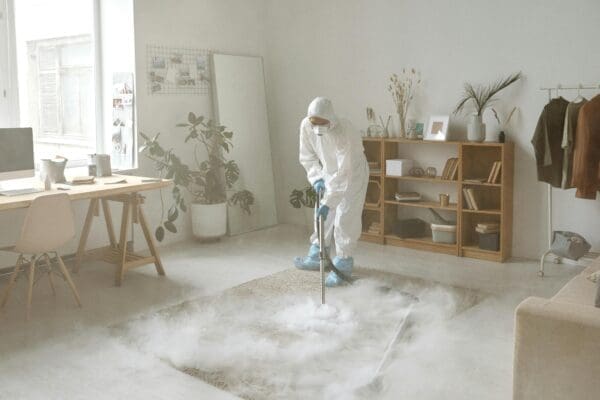
A clean and comfortable home requires more than stylish furniture and organized rooms. Proper home maintenance also plays an important role in preventing unwanted pests from invading living spaces. Insects and rodents are more than just annoying household problems. They can damage property, contaminate food, trigger allergies, and create unhealthy conditions for families.
Many homeowners assume pest problems only happen in older homes, but newer properties can also attract pests if preventive maintenance is ignored. Small cracks, moisture buildup, food crumbs, and cluttered storage areas can quickly create conditions that attract ants, termites, cockroaches, rodents, and other unwanted visitors. Seasonal weather changes may also increase pest activity as insects and animals search for food, water, and shelter indoors.
The good news is that many infestations can be prevented through consistent home maintenance habits. Small daily routines and regular inspections often help homeowners catch problems early before they become more serious and expensive to fix. Preventive care not only protects the home itself but also creates a healthier and more comfortable environment for everyone living inside.
Why Preventive Home Maintenance Is Important for Pest Control
Pests are constantly searching for easy access to food, water, and shelter. Homes naturally provide many of these conditions, especially when small maintenance issues go unnoticed. Leaking pipes, open food containers, standing water, and tiny cracks around windows or doors can all attract insects and rodents over time.
One reason infestations become difficult to manage is that they often begin quietly. Homeowners may not notice pests until damage or large infestations have already developed. That is why prevention plays such an important role in long-term pest control.
Many homeowners focused on keeping new and old homes pest-free use regular inspections, moisture control, entry-point sealing, and preventive pest management strategies to reduce the risk of infestations throughout the year. Combining these habits with professional guidance when necessary helps create stronger long-term protection for residential properties.
Preventive maintenance also helps reduce expensive repairs. Termites, rodents, and other pests may damage wood, insulation, electrical wiring, and household materials if left untreated. Addressing problems early often saves homeowners both money and stress later.
Health concerns are another reason prevention matters. Cockroaches, rodents, and certain insects may carry bacteria or trigger allergies and respiratory issues. Maintaining a cleaner and better-protected home reduces these risks significantly.
Simple habits practiced consistently often provide some of the best protection against long-term pest problems.
Common Areas Around the Home That Attract Pests
Certain areas of the home naturally attract pests more than others. Kitchens are one of the most common problem areas because they provide easy access to food and water. Crumbs, spills, dirty dishes, and open food containers can quickly attract ants, cockroaches, and rodents.
Bathrooms and laundry rooms may also attract pests because of moisture and humidity. Leaking pipes, standing water, and poor ventilation create ideal conditions for insects that thrive in damp environments.
Attics, basements, and garages often provide quiet shelter for pests as well. These areas may contain clutter, storage boxes, and hidden entry points where rodents and insects can remain unnoticed for long periods.
Outdoor spaces can also contribute to indoor pest issues. Overgrown vegetation, clogged gutters, standing water, and mulch placed too close to the home may attract insects and create easier access to the property.
Identifying these high-risk areas allows homeowners to address problems early before infestations spread throughout the home.
Seasonal Maintenance Tips for Preventing Infestations
Different seasons often bring different pest problems. During warmer months, insects may become more active outdoors and begin searching for food or water near homes. Cooler weather may drive rodents indoors looking for shelter.
Regular seasonal inspections help homeowners stay ahead of these changes. Gutters and drainage systems should remain clear to prevent standing water around the property. Overgrown trees and shrubs should also be trimmed away from the home to reduce pest access.
Doors, windows, and screens should be checked regularly for gaps or damage. Roof inspections may also help identify potential entry points before pests move inside.
Monitoring for termite activity is especially important in some regions where warm temperatures increase infestation risks.
Seasonal maintenance helps reduce year-round pest activity while protecting the home from avoidable damage.
Preventing pest infestations starts with consistent home maintenance and paying attention to small problems before they grow. Cleanliness, moisture control, sealing entry points, and regular inspections all play important roles in protecting homes from unwanted pests.
Both new and older homes benefit from proactive prevention strategies that reduce the conditions pests need to survive. Simple daily habits combined with seasonal maintenance can significantly lower the risk of infestations throughout the year.
Professional pest prevention support may also help homeowners identify hidden risks and create stronger long-term protection plans when needed.
By staying proactive and maintaining healthy home habits, homeowners can create cleaner, safer, and more comfortable living spaces while reducing the stress and expense of serious pest problems.