What Your Home Needs Before It Starts Looking Better
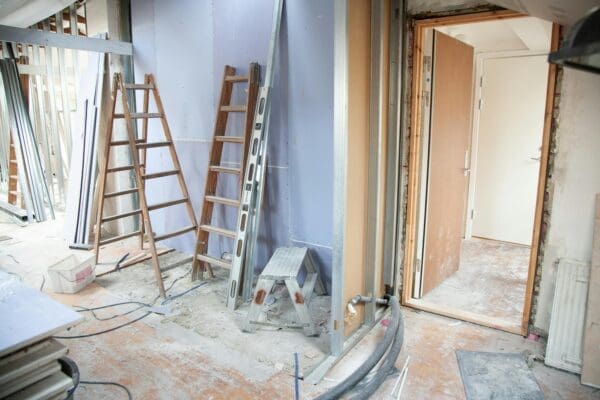
Ever look around your place and wonder how you’ve managed to live with crooked cabinet doors, chipped paint, and that one ceiling stain that’s just… always been there? In Northshore, Louisiana, where the mix of humidity, heat, and aging builds makes every minor issue feel like it’s plotting something bigger, it’s easy to dream about that picture-perfect renovation. In this blog, we will share what your home actually needs before it starts looking better.
Before You Beautify, Stabilize
There’s a reason so many renovations stall out halfway through. People start with what they can see—peeling wallpaper, worn carpet, ugly countertops—and ignore what’s underneath. The problem is, what’s underneath always finds a way to introduce itself. Cosmetic upgrades don’t stick when the structure is struggling. That new floor won’t feel very luxurious if the subfloor buckles by next summer. Fresh paint means little when moisture keeps creeping in through unsealed windows.
It’s hard to sell people on insulation or duct repair. No one brags about upgraded joists. But that’s exactly what separates lasting change from short-term cover-ups. With home values continuing to climb and contractors booked out for months, the pressure to make visible improvements fast has only grown. People want their homes to show well on social media and feel updated without waiting six months for an appointment. The catch? Real progress starts with things that don’t photograph well.
Basic systems—heating, cooling, plumbing, electrical—need to be steady before you layer anything on top. In Northshore homes, where AC units do heavy lifting through long hot stretches, it’s even more important to pay attention to what keeps the place livable. Local services like One Hour Air Conditioning & Heating of the Northshore don’t just offer quick fixes—they keep the daily functions of a home reliable, which is exactly what you need before a single tile gets replaced.
No one wants to delay a kitchen upgrade for a crawlspace inspection. But skipping that step means whatever you build might be undercut by what’s hiding behind the walls. A good-looking home starts with one that works as it should—quietly, constantly, and without burning through your wallet every two months in surprise repairs.
The Mess You Ignore Will Cost You Later
Old homes—and honestly, most homes after ten years—collect problems the way people collect junk drawers. Something leaks. Something creaks. Something smells weird when it rains. You make a mental note and promise to get to it eventually, but “eventually” turns into five years and a minor crisis when a small roof drip turns into stained drywall and warping trim.
We don’t skip repairs because we’re lazy. We skip them because they’re inconvenient, not immediately visible, and often more expensive than expected. But the reality is, what your home needs most usually isn’t urgent—until it suddenly is. That cracked foundation, that loose wiring, that half-clogged drain? They don’t fix themselves, and the longer they sit, the more they erode whatever surface-level updates you’ve managed to squeeze in.
Maintenance doesn’t feel like progress, but it’s the scaffolding that keeps the rest of the house upright. Before you order new fixtures or plan a tile pattern, make a pass through the basics. Check your roofline. Have someone inspect your pipes. Look at your ventilation systems. These things aren’t sexy, but they’re where every serious home improvement story should begin.
This also matters when it comes to budgeting. Cosmetic work tends to blow past its limits even when nothing goes wrong. Add in one hidden structural issue, and you’re either forced to cut corners or live with an unfinished project indefinitely. Planning for foundational fixes first helps prevent that kind of spiral.
The Mood of a House Comes From Function, Not Style
You can have all the aesthetic upgrades you want—matte finishes, minimalist lighting, reclaimed wood—but if the house doesn’t breathe well, if it’s loud and drafty and inconsistent in temperature, it’s not going to feel good. Comfort beats design every time, and most people underestimate just how much comfort depends on the invisible mechanics of a house.
Take sound, for instance. Houses that have poor insulation or bad airflow tend to echo more. That alone changes how relaxing your space feels. Or consider lighting. If your wiring can’t support upgraded fixtures or added outlets, you end up compromising on placement or quality. What starts as a design choice becomes a workaround for deeper limitations.
There’s also the reality that open-concept layouts and exposed elements don’t hide flaws the way older design used to. You see more. You hear more. If something rattles or smells or hums strangely, it cuts right through the veneer. That’s why real improvement isn’t just about what’s added—it’s about what’s fixed.
Fixing the way a home functions—improving flow, stabilizing temps, quieting vibration, sealing gaps—sets the stage for everything else. It makes upgrades work better. It gives your design choices room to shine without distraction. And it saves you from the slow mental drain of living in a place that looks nice but feels slightly wrong every day.
A Better Home Isn’t Always a Newer One
In a culture obsessed with upgrades, it’s easy to believe the solution is always to tear down and start fresh. But some of the most comfortable, well-loved homes aren’t flashy or modern. They’re steady. They’ve been taken care of. Someone patched that corner, reinforced that beam, and rerouted that pipe years ago—not because it looked great, but because it kept the house working.
Real home improvement is slow. It’s strategic. It often involves fixing things no one will ever thank you for. But those invisible upgrades are what allow visible changes to last. They keep you from repeating projects or stacking new materials on unstable ground.
So before you rip out those cabinets or bring in the trendy furniture, walk through your space with different eyes. Ask what’s been ignored. What’s aging out? What’s quietly falling apart behind the paint. That’s where the real work begins.
And when the basics are solid—when the leaks are gone, the wiring is safe, the airflow is smooth, and the temperature doesn’t swing like a mood chart—you can start making things beautiful. And this time, the beauty will stick.