What Are the Most Common Range Rover Problems Owners Face?
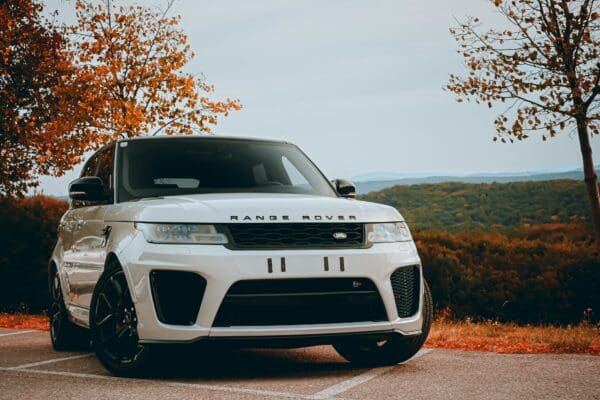
Range Rovers are known for combining luxury, performance, and off-road capability in a single package. From advanced suspension systems to sophisticated electronics, these vehicles are designed to deliver a refined driving experience in almost any condition. However, all that technology and performance also mean there are more components that require ongoing attention.
Many owners enjoy years of comfortable driving before encountering issues, but certain problems tend to appear more frequently than others. Knowing what to watch for can help you address concerns early, avoid costly repairs, and keep your vehicle performing at its best.
Let’s take a closer look at some of the most common Range Rover problems and what they mean for owners.
1. Air Suspension Failures
One of the most well-known issues in Range Rovers involves the air suspension system. This system provides a smooth ride and adjustable height, which is especially useful for off-road driving. However, over time, components such as air springs, compressors, or valves can wear out.
Owners may notice the vehicle sitting lower than usual, an uneven stance, or dashboard warning messages. In some cases, the suspension may fail completely, leaving the vehicle stuck at a low height. Addressing these problems early helps prevent further strain on other suspension components.
2. Electrical System Glitches
Modern Range Rovers rely heavily on electronics, from advanced infotainment systems to driver-assistance features. While these technologies enhance comfort and convenience, they can also introduce electrical problems.
Common issues include warning lights that appear without a clear cause, malfunctioning touchscreens, or problems with power windows and locks. These faults are often linked to battery issues, wiring problems, or faulty sensors. Because the electrical systems are interconnected, even a small issue can affect multiple features.
3. Oil Leaks and Engine Seal Wear
Oil leaks are fairly common in luxury SUVs as they age, and Range Rovers are no exception. Seals and gaskets around the engine may deteriorate over time, leading to leaks.
Drivers may notice oil spots under the vehicle, a burning oil smell, or a drop in oil levels between services. While small leaks may seem minor, they can lead to more significant engine problems if left unaddressed.
If these issues appear, it’s usually best to get an expert to fix your Range Rover rather than relying on general repair shops. Facilities such as Right-Tech Auto Repair & Service specialize in Land Rover and Range Rover maintenance, using manufacturer-grade diagnostic equipment and factory-approved repair procedures. Their technicians are trained to handle complex systems, from suspension and drivetrain components to advanced electronics, ensuring accurate diagnosis and long-term reliability.
4. Transmission and Gearbox Issues
Some Range Rover owners report transmission issues, particularly in higher-mileage models. Symptoms may include rough shifting, delayed gear engagement, or slipping gears during acceleration.
These problems can result from worn internal components, low transmission fluid, or software-related issues. Since transmission repairs can be expensive, it’s important to address unusual shifting behavior as soon as it appears.
5. Cooling System Problems
Cooling system failures are another concern, especially in older models or high-mileage vehicles. Radiator leaks, failing water pumps, or faulty thermostats can cause the engine to overheat.
Drivers might notice rising temperature gauges, coolant smells, or warning lights. Ignoring these signs can lead to severe engine damage. Regular inspections and coolant system maintenance help prevent costly repairs down the road.
6. Timing Chain Wear
Certain Range Rover engines are known for timing chain wear over time. The timing chain plays a critical role in synchronizing engine components, and when it begins to stretch or wear out, it can cause serious engine damage.
Early signs often include rattling noises during startup or rough engine performance. Addressing timing chain issues promptly can prevent more extensive and costly engine repairs.
7. Brake System Wear
Because Range Rovers are large, heavy vehicles, their braking systems tend to experience more wear than those in smaller cars. Brake pads and rotors may need replacement more frequently.
Signs of brake wear include squeaking noises, vibrations while braking, or reduced stopping power. Regular brake inspections help maintain safety and prevent damage to other components.
8. Fuel System and Injector Problems
Fuel system issues, such as clogged injectors or failing fuel pumps, can affect engine performance. Drivers may notice rough idling, reduced acceleration, or decreased fuel efficiency.
These problems can develop gradually, making them easy to overlook at first. Routine maintenance and fuel system cleaning can help prevent these issues from becoming more serious.
Conclusion
Range Rovers offer a unique blend of luxury, performance, and off-road capability, but they also require attentive care. Understanding the most common problems helps owners recognize early warning signs and take action before issues escalate. With proper maintenance and expert support, these vehicles can continue to deliver the comfort and performance they’re known for.