Have 8mm Family Videos? Here’s When to Consider Professional Conversion
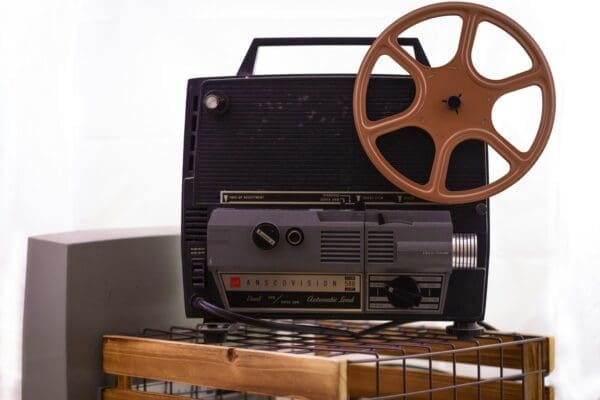
Many families still have boxes of old 8mm film reels stored in closets, basements, or storage containers. These films often hold priceless memories—birthday parties, weddings, holidays, and everyday family moments captured decades ago. At the time they were recorded, 8mm film was one of the most popular ways to preserve home videos.
Today, however, the technology used to watch them has become increasingly rare. As years pass, film materials naturally begin to degrade. Colors fade, film becomes fragile, and dust or moisture can damage the footage. At the same time, finding working projectors or playback equipment has become difficult. Because of this, many people start looking for ways to preserve those recordings before they are lost.
Understanding when it may be time to convert old film can help protect important family memories for the future. Let’s get started!
1. Your Film Is Starting to Deteriorate
One of the clearest signs that it may be time to convert your old films is visible deterioration. Over time, film reels can become brittle, scratched, or faded. Environmental factors such as heat, humidity, and dust often accelerate this process, especially if the reels have been stored for many years.
When deterioration begins, the footage’s quality can decline quickly. Colors may appear washed out, and images may become difficult to see. Many families decide to seek professional 8mm video conversion help when they notice these early warning signs. Companies such as Leave A Legacy focus on carefully handling older media and converting it into modern formats that can be viewed on current devices. Taking action early in the deterioration process often helps preserve the quality of the memories captured on film.
2. You No Longer Have a Projector
Another common reason people consider conversion is simply the lack of equipment to watch the videos. 8mm projectors were once a household item, but today they are increasingly difficult to find or repair. Even if a projector is available, the condition of the machine may affect the playback quality.
When families can no longer view their films, those memories effectively remain hidden in storage. Converting the footage to digital formats allows you to watch the videos again on modern devices such as televisions, computers, or mobile phones. This accessibility allows families to reconnect with moments that might otherwise remain unseen for years.
3. Important Family Events Are Stored on the Film
Many 8mm films contain some of the most meaningful events in a family’s history. Weddings, graduations, holidays, and childhood milestones were often captured using this format. Because these moments cannot be recreated, preserving them becomes especially important.
Digitizing the footage makes it easier for families to revisit those memories. Instead of relying on fragile film reels, the videos can be stored safely and shared with relatives who may live far away. For many people, conversion becomes less about technology and more about ensuring that those moments remain part of the family’s story.
4. The Films Have Been Sitting in Storage for Years
Storage conditions can greatly affect the lifespan of film. Reels that have been sitting in attics, basements, or garages may have been exposed to temperature changes and humidity. Even when stored carefully, film can naturally deteriorate with time.
If your reels have not been viewed in many years, it may be worth checking their condition. Converting them sooner rather than later can help prevent additional damage. Once the footage is digitized, it can be preserved in multiple locations, reducing the risk of permanent loss.
5. You Want to Share the Memories With Family
One of the biggest advantages of converting old film is the ease of sharing it. Traditional film reels require specialized equipment and physical handling, making sharing difficult. Digital files, on the other hand, can be copied, stored, and sent to family members with ease.
This allows younger generations to experience moments from the past that they may never have seen before. Watching old family videos together can create meaningful connections and help preserve family history.
6. The Quality of the Film Is Declining
Even when film appears intact, its visual quality may slowly degrade over time. Colors can fade, contrast may weaken, and images may flicker or become less clear. These changes can make it difficult to fully appreciate the footage.
Professional conversion services often include processes that stabilize and digitize images, making them easier to view. While the goal is not to alter the original recording, preserving what remains of the film can help ensure the footage stays watchable for years to come.
Conclusion
Old 8mm films often hold some of the most meaningful memories a family has. However, as technology changes and film ages, those recordings can become harder to watch and more vulnerable to damage. Recognizing the signs that it may be time to convert your footage can help protect these memories before they fade or disappear.