Warning Signs That It’s Time to Service Your Heater
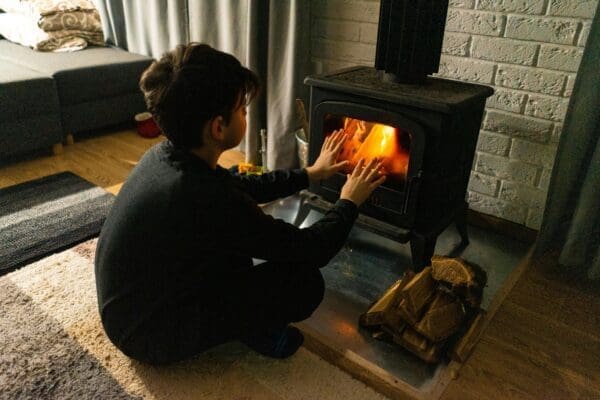
Is your home feeling colder than usual, even though your heater is running? As temperatures drop, having a properly functioning heater becomes essential for comfort and safety. In places like Riviera Beach, FL, where seasonal changes still call for reliable heating, knowing when your heater needs attention can save you from unexpected breakdowns. Ignoring the early warning signs can lead to costly repairs or even complete system failure.
In this blog, we will share the key warning signs that indicate it’s time to service your heater. Knowing these signs will help you act quickly, keep your home warm, and avoid expensive repairs.
Unusual Noises Coming from the Heater
If your heater starts making strange noises, it’s often a sign that something is wrong. While it’s normal to hear a low hum when the heater is running, loud banging, rattling, or squealing sounds can indicate mechanical issues. These noises may be caused by loose components, a failing motor, or problems with the blower.
Ignoring these sounds can lead to more severe damage. Addressing the issue early can prevent costly repairs down the line. If you hear anything unusual, it’s best to call a professional to inspect your heater and identify the problem.
Inconsistent Heating Throughout Your Home
Have you noticed that some rooms in your house are warm while others remain chilly? Inconsistent heating is a common sign that your heater may need servicing. This issue could be due to blocked vents, ductwork problems, or a malfunctioning thermostat. It may also indicate that your system is struggling to distribute heat evenly.
Inconsistent heating can be frustrating during cooler months, especially when using heat pumps. This is why most people opt for a heat pump repair in Riviera Beach, FL. Getting professional help can restore balanced heating and improve your comfort.
A Sudden Increase in Energy Bills
If your energy bills have spiked without a clear reason, your heater might be the culprit. When heaters struggle to operate efficiently, they consume more energy. This inefficiency can result from dirty filters, worn-out parts, or poor system maintenance.
Monitoring your energy usage can help you catch this problem early. If your bills are higher than usual, even though your heating habits haven’t changed, it’s a good idea to schedule a service appointment. Regular maintenance can improve efficiency and reduce your energy costs.
Frequent Cycling On and Off
Does your heater turn on and off more often than usual? This behavior, known as short cycling, can signal a problem. Short cycling may occur due to issues with the thermostat, clogged filters, or problems with the heat exchanger. It not only reduces energy efficiency but also puts extra strain on your heater.
Frequent cycling can wear out your system faster and lead to more repairs. If you notice this pattern, have a professional inspect your heater. Fixing the root cause can extend the lifespan of your system and keep it running smoothly.
Poor Air Quality in Your Home
Your heater plays a role in maintaining indoor air quality. If you’ve noticed an increase in dust, dryness, or musty odors, it could be related to your heating system. Dirty filters, mold growth, or clogged ducts within the system can affect the air you breathe.
Poor air quality can cause health issues, especially for people with allergies or respiratory conditions. Regular heater maintenance, including filter changes and duct cleaning, can help improve indoor air quality. If problems persist, it may be time to service your heater.
The Heater Is Blowing Cold Air
One of the most obvious signs that your heater needs attention is when it’s blowing cold air. This issue could result from a variety of problems, such as a faulty thermostat, low refrigerant levels, or a malfunctioning heat exchanger. It might also indicate that the pilot light or ignition system has failed.
When your heater can’t produce warm air, it’s not just uncomfortable—it can be dangerous during colder weather. If you experience this problem, turn off the system and call a professional. Prompt service can identify the issue and restore proper heating.
Strange Smells Coming from the Heater
While it’s normal to notice a slight burning smell when you first turn on your heater for the season, persistent or unusual odors are a red flag. A musty smell could indicate mold in the system, while a burning odor might suggest electrical issues or overheating components.
If you ever smell something like burning plastic or rotten eggs, turn off your heater immediately and seek professional help. These odors can signal serious safety hazards, such as electrical problems or gas leaks. Quick action can prevent dangerous situations and protect your home.
The Heater Is Old and Requires Frequent Repairs
If your heater is over 10-15 years old and requires frequent repairs, it may be time to consider a replacement. Older systems are less efficient and more prone to breakdowns. The cost of constant repairs can add up, making a new system a better investment in the long run.
At some point, homeowners need to evaluate whether continuing to fix an aging system truly makes financial sense. Repair after repair can create uncertainty and unexpected expenses. When repairs keep stacking up, choosing to install a new furnace can be the more predictable long-term move.
Regular maintenance can extend the life of your heater, but even well-maintained systems have a lifespan. If you’re unsure whether to repair or replace your heater, consult with a professional. They can assess the condition of your system and recommend the best course of action.In conclusion,recognizing the warning signs that your heater needs service can save you from unexpected breakdowns and costly repairs. From unusual noises to inconsistent heating, these signs often indicate underlying issues that require professional attention. If you live in Riviera Beach, FL, addressing these problems early can ensure your heater operates efficiently when you need it most. Don’t wait until your heater stops working entirely. Schedule regular maintenance and stay alert to changes in performance. By doing so, you’ll keep your home warm, safe, and energy-efficient throughout the cooler months.