Minimizing Water Damage at Home: Practical Steps and Proactive Solutions
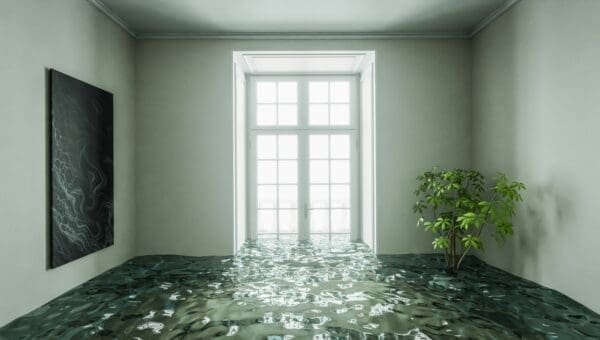
Water damage in the home can strike unexpectedly, often leading to costly repairs and significant disruption. From leaky pipes and overflowing appliances to roof leaks and flooding, even minor issues left unaddressed can escalate into major structural problems. Homeowners can take practical steps to reduce risk, such as regular inspections, proper maintenance of plumbing fixtures, and prompt action when signs of moisture or mold appear. Understanding common sources of water damage and staying vigilant can make a significant difference in protecting both property and personal belongings.
Being proactive also means knowing when to seek professional help. In cases where immediate intervention is required, having access to reliable services like 24/7 emergency plumbing Las Vegas, NV ensures that urgent leaks and bursts can be addressed quickly, minimizing potential damage. Combining preventative measures with timely professional support creates a comprehensive approach to safeguarding your home against water-related issues.
Regular Inspection of Appliance Hoses
Household appliances such as washing machines, dishwashers, and refrigerators rely on hoses that deteriorate over time. Cracks, bulges, or worn spots are commonplace, particularly in older hoses. Even if there are no visible issues, replacing rubber hoses with stainless-steel-braided versions every 7 years is a widely recommended strategy to reduce the risk of leaks and floods.
Maintaining Gutters and Downspouts
Clogged or neglected gutters can cause water overflow that can damage your roof and foundation. Ideally, gutters should be cleaned twice a year, especially after the fall when leaves and debris are most likely to accumulate. Adding guards can simplify this routine task. Properly positioning downspouts away from the home prevents water from seeping into the basement and from causing soil erosion near the foundation.
Installing Water Leak Detectors
Early detection is crucial for preventing widespread water damage. Placing water leak detectors near major plumbing fixtures (such as under sinks, around water heaters, or in basements) means homeowners receive immediate alerts if a leak occurs. Some devices automatically shut off the water supply to minimize damage. Having these tools as part of your overall prevention plan offers an extra layer of security for your property.
Understanding and Monitoring Water Pressure
Water pressure that is too high puts excess stress on pipes and hoses, increasing the likelihood of leaks or bursts. Using an inexpensive water pressure gauge, homeowners can check for safe pressure levels. If pressure readings exceed 100 psi, installing a pressure regulator is recommended. Consistently monitoring water pressure prevents unexpected failures and extends the lifespan of your plumbing system.
Knowing the Location of the Main Water Shutoff Valve
In a serious leak, time is of the essence. Knowing where the main water shutoff valve is located allows you to quickly shut off the water and prevent extensive property damage. It’s important that every member of your household is familiar with this valve, especially if you plan to be away for an extended period.
Roof Maintenance and Inspection
Your roof is one of the primary barriers against water intrusion. Scheduling regular inspections to check for missing shingles, cracked tiles, or damaged flashing can prevent leaks from developing. It’s also important to promptly repair any discovered problems. Diligent roof care is critical for avoiding water-related disasters inside the home.
Landscaping and Grading
Effective landscaping serves more than just aesthetic purposes. Grading the yard so that water drains away from the home and installing features such as French drains or swales helps prevent water from pooling at the foundation. Avoid placing thirsty plants directly against the base of your house to reduce the need for additional soil moisture.
Installing Sump Pumps and Backwater Valves
Sump pumps and backwater valves are especially important for houses in flood-prone zones. A sump pump automatically removes excess groundwater from basements, greatly reducing the risk of flooding. Backwater valves stop sewage from backing up into your home during heavy rains. Regular testing and maintenance of these installations will ensure they operate correctly when needed.
Sealing Windows and Doors
Gaps around windows and doors are easy entry points for water during storms. Routine inspections and caulk sealing safeguard against potential leaks. Additionally, installing weatherstripping and storm windows can provide an added layer of defense.
Insulating Pipes
Unprotected pipes in cold or unheated locations are prone to freezing and bursting during winter. Simple, cost-effective pipe insulation can prevent this costly problem. Focus especially on pipes located in basements, attics, garages, and exterior walls.
Conclusion
Proactively addressing water damage risks in your home is critical for protecting your property, preserving its value, and maintaining a safe environment for your family. Routine inspection, proper maintenance, and the adoption of new technology all combine to provide homeowners with comprehensive protection against the costly consequences of unexpected water hazards.