Wander Wisely: Practical Planning Tips for Affordable and Memorable Travel

Travel doesn’t always require a big budget or a luxury itinerary. With a little effort and planning, you can explore new places without draining your bank account. The secret is to approach each part of the trip with intention, from booking transport to choosing meals and lodging. What often stops people from traveling isn’t the cost itself, but the lack of planning ahead and understanding how personal habits around money shape experiences. Creating a travel plan doesn’t just involve booking sites and checklists. It also means paying attention to how you save and spend in daily life. The more prepared you are financially, the easier it becomes to travel on your terms.
Here’s how you can get started:
Pick the Right Time to Travel
Timing makes a big difference when it comes to affordability. Prices for flights and accommodations vary based on the season, day of the week, and demand. Consider traveling during shoulder seasons, those in-between times like early spring or late fall, when destinations are still appealing but less crowded. Avoiding major holidays and school breaks can also help reduce costs. Flights tend to be cheapest mid-week, and booking at least 2-3 months ahead gives you access to lower fares. Do some quick research on when your chosen location is least expensive to visit, and try to keep your dates flexible. That flexibility alone can help cut travel costs significantly.
Set a Clear Saving Goal Before You Start Booking
Before you look at flights or hotels, think about your current saving habits. You might wonder, how much should I be saving a month? It depends on your goals and spending patterns. Online guides and platforms can help break down how to organize your monthly spending into needs, wants, and future plans. They can suggest a flexible budget model that includes setting aside money specifically for travel. This makes the process feel more manageable and avoids the stress of last-minute scrambling. You don’t have to save a massive amount at once. Even a small amount put aside each month builds momentum. The earlier you begin, the easier it is to book without using credit or compromising comfort.
Use Travel Reward Cards Wisely
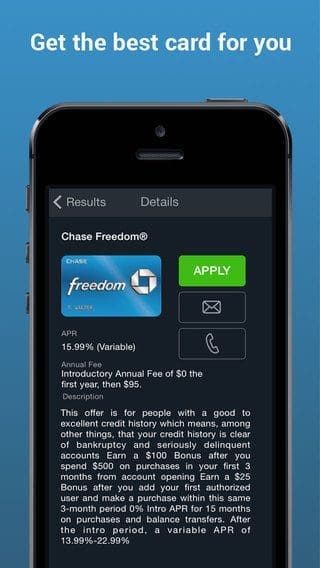
Credit cards with travel perks can stretch your budget further. Some offer airline miles, hotel discounts, or cashback you can redeem later. Look for cards with no foreign transaction fees or introductory bonuses that apply to travel. Using these cards responsibly, meaning you pay off the balance each month, lets you benefit from rewards without adding debt. Some programs partner with airlines or booking platforms, giving you points for everyday purchases. While this shouldn’t replace saving, it can supplement your travel fund. Just read the fine print. Some cards require minimum spending to unlock bonuses, so only use them if they align with your regular purchases and you can manage repayments.
Choose Budget-Friendly Destinations
Some places are simply more affordable than others, especially when it comes to dining, transportation, and lodging. Countries in Southeast Asia, parts of Eastern Europe, and Central America are known for offering great experiences at lower costs. Rather than chasing popular, expensive cities, look for alternatives that offer similar scenery or culture without the high price tag. For example, Portugal offers great weather and food but costs less than Italy or France. Use travel blogs or budget travel forums to find these alternatives. Local apps and travel websites can also help compare daily costs across different places, which helps you narrow down a destination that fits your spending plan.
Be Flexible With Flights and Accommodations
Rigid dates and preferences can make travel more expensive. Try searching for flights with flexible date options or consider flying a day earlier or later to get better rates. Use tools that compare multiple airlines or booking platforms, and set alerts for price drops. When it comes to places to stay, widen your search beyond hotels. Vacation rentals, guesthouses, and hostels often offer better rates, especially if you’re traveling in a group or planning a longer stay. Look into free cancellation policies so you can rebook if prices fall later. Being open to adjusting where you stay or when you fly can lead to serious savings.
Create a Realistic Daily Budget for Your Trip
Having a daily spending plan helps you avoid surprises. Before your trip, estimate what you might spend each day on food, transportation, activities, and extras. Research local prices ahead of time. Check the cost of museum tickets, street food, public transport, or guided tours. Then break that down into a realistic daily amount. You don’t need to account for every little item—just have a ballpark number that keeps you on track. This approach gives you freedom to enjoy without second-guessing every expense. It also allows you to shift things around: if one day costs more, spend less the next. Staying aware of your daily total keeps your travel affordable and stress-free.
Plan Ahead for Attractions and Transportation
Booking in advance often leads to better prices. Whether it’s entrance tickets, train passes, or guided experiences, early reservations tend to be cheaper. Many museums and landmarks also limit walk-in access, especially during peak periods. Some offer discounted combo passes or group deals online. Look for multi-day transport cards in big cities. They’re usually cheaper than single fares. You can also research whether it’s cheaper to use local taxis or apps for short rides. The more you plan before arriving, the fewer decisions you’ll have to make on the spot. That saves both time and money. This step doesn’t need to be complicated—just spend a few minutes checking ahead.
You don’t need to spend a fortune to enjoy travel. With simple planning and thoughtful choices, it’s possible to have both affordable and meaningful trips. Being clear about your priorities, preparing ahead, and staying flexible can make your travels smoother and less expensive. Good saving habits, smart booking, and real-time awareness of what you spend all contribute to better travel experiences. It’s not about cutting corners. It’s about getting the most out of what you set aside. By planning wisely, staying within your means, and embracing the moment, you’ll create memories that don’t come with regret. The earlier you start preparing, the more options you’ll have on the road.