A Complete Guide to Inshore Fishing Adventures
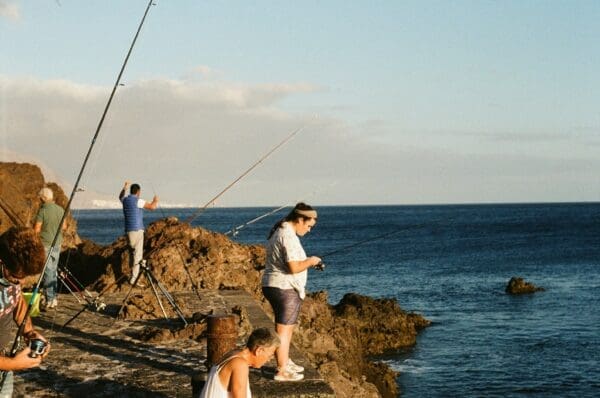
If you’re ready for a new kind of thrill, it’s time to try inshore fishing. This is your chance to spend time on calm coastal waters, breathe in fresh salty air, and chase fish that live close to the shore. Inshore fishing is easy to get into, even for beginners. You don’t need a big boat or fancy gear.
Just a little know-how, the right spot, and some patience. Whether you’re fishing with friends, family, or on your own, these near-shore waters hold excitement for everyone. Ready to cast your line?
Let’s dive into what makes inshore fishing such a fun and rewarding experience.
What Does Inshore Fishing Mean?
Inshore fishing takes place in shallow waters close to the land. These areas include bays, estuaries, flats, and along the coastline.
The water is often calm, which makes it safer and easier for small boats or kayaks. Many fish that people love to catch-like redfish, snook, flounder, or sea trout-live in these waters.
You won’t be far from land, but that doesn’t mean the action is slow. These fish can be fast, strong, and smart.
Every catch brings a new kind of fight. The best part is, you’re never too far from home if the weather changes or you need a break.
When and Where to Go Inshore Fishing?
The best time to go inshore fishing depends on the weather, tides, and the season. Early morning and late afternoon are often good times.
Fish like to feed when the light is low and the water is cooler. Tides also matter because they move bait around and get fish active.
If you plan your trip around a rising or falling tide, you may have better luck. In the summer, warmer waters may bring in different fish than in the winter.
Local guides and tackle shops can give you tips on the best times to go based on where you are. If you’re near a coastal area, chances are you have inshore spots just a short drive away.
Picking the Right Gear
You don’t need the most expensive rods and reels to get started. A light to medium rod with a spinning reel works for most inshore fish.
Use live bait like small fish or shrimp if you want natural action. Artificial lures like soft plastics or topwater plugs also work well.
Keep your line strong enough to handle fish that run and pull hard. Most inshore setups use 10 to 20-pound test lines. A strong leader helps keep your line from breaking, especially around rocks or oyster beds.
Learning to Read the Water
One of the most important parts of inshore fishing is knowing where to look. Fish often hide near underwater structures like rocks, grass beds, docks, or mangroves. These spots give them cover and make it easier to find food.
Birds flying low over the water may also point to schools of baitfish below, which means bigger fish might be nearby.
What You Might Catch?
Different areas offer different fish, but many popular species show up across coastal regions.
Redfish are strong and often travel in schools. Snook are smart and fast, often hiding near structures.
Flounder stay low on the bottom and like sandy or muddy flats. Speckled trout like grass beds and bite well in the early morning.
Some inshore fish are seasonal, while others stay around year-round. Each one brings a new challenge and a new story.
Some people fish just for fun, while others keep what they catch for a fresh meal. Always check your local rules about size and limits to keep fish populations healthy.
Hiring a Guide for Your First Trip
If you’re new to fishing, going with a local guide is a smart idea. Guides know the best spots, have the right gear, and understand how fish behave in the area. They can teach you how to cast, tie knots, and land a fish safely.
Even if you’ve fished before, a guide can still show you new techniques or help you catch species you’ve never caught. Trips can last a few hours or a whole day, depending on what you’re looking for. It’s a good way to learn and make sure your first inshore trip is a success.
Sport Fishing New England
Sport fishing in New England offers some of the most thrilling inshore experiences, especially during the warmer months when striped bass and bluefish are near the coast. The region’s rocky shorelines and rich estuaries create a perfect habitat for fish and a rewarding challenge for anglers.
Whether you’re in Massachusetts, Rhode Island, or Maine, you’re never far from waters full of life. These areas also have strong fishing communities, helpful shops, and guides ready to share tips or stories.
Staying Safe and Respectful
Even though inshore waters are close to land, safety still comes first. Always wear a life jacket if you’re on a boat or kayak. Keep an eye on the weather and bring your phone in a waterproof case.
Use sunscreen and stay hydrated. If you’re fishing from shore or a dock, wear shoes with a good grip and watch your step.
Being respectful means cleaning up your bait, not leaving trash, and treating fish kindly if you plan to release them. Use wet hands when handling fish to protect their scales, and return them to the water gently. Responsible fishing keeps these areas beautiful and full of life for others to enjoy.
Why Inshore Fishing Keeps You Coming Back?
Inshore fishing is more than just catching fish. It’s quiet mornings on calm water, watching the sun rise over the bay. It’s the tug of a fish on your line and the thrill of reeling it in.
It’s learning about tides, weather, and how nature works. It’s time with friends, laughter, and the stories you tell later. This kind of fishing is simple to start, but deep enough to explore for a lifetime.
Every trip is different. Every cast has a chance to surprise you.
Your Inshore Fishing Journey Starts Now
Now that you know what inshore fishing is all about, there’s no reason to wait. Pick a weekend, grab your gear, and head toward the water. Whether you’re in a kayak, on a dock, or riding with a local guide, the adventure is just ahead.
Start small, stay curious, and enjoy the learning. Each cast brings you closer to nature and the joy of fishing. The coast is calling-are you ready to answer?
Please visit our blogs for more!