Top Drivers Behind Today’s Real Estate Management Changes

Property management is experiencing a transformation driven by rapid innovation and changing preferences. Owners and managers are leveraging tools and insights to shape more efficient, sustainable, and profitable operations, while tenants themselves push for spaces that support flexible and modern lifestyles. For those searching for industry expertise or local market knowledge, collaborating with 30a real estate agents can be an effective way to navigate today’s evolving landscape. From artificial intelligence to green building practices, leading property managers are now expected to adopt new technologies, employ sustainability strategies, and recognize shifting market trends. Emphasis on proactive communication, smart automation, and tenant-centric amenities has never been higher, as renters seek more than just four walls; instead, they look for vibrant, tech-forward communities.
As demand for operational efficiency and tenant retention rises, data-driven insights empower property managers to make informed, timely decisions. Furthermore, real estate investors are venturing beyond traditional assets, capitalizing on emerging property types and diversifying portfolios to prioritize yield, adaptability, and growth potential. Staying competitive means embracing innovation and remaining attuned to lifestyle and demographic trends. Property managers willing to evolve in these areas are finding greater stability and higher satisfaction, both operationally and in their relationships with tenants and investors.
Technological Advancements in Property Management
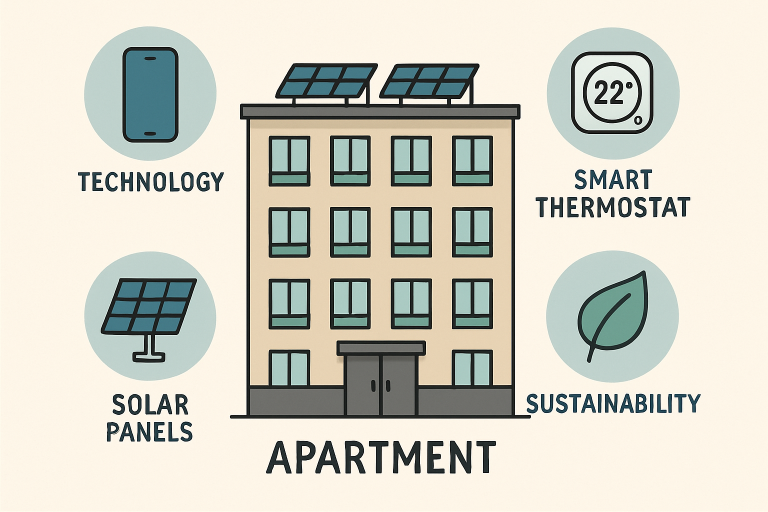
Technology has become a mainstay in property management, driving efficiencies that fundamentally change day-to-day operations. Artificial Intelligence (AI) systems streamline data processing, tenant screening, and even predictive maintenance, alerting managers to potential issues before they escalate. The Internet of Things (IoT), including connected smart locks, thermostats, and security devices, empowers both managers and residents to monitor, secure, and optimize property usage seamlessly. Self-service portals enable tenants to pay rent, request repairs, and access information on their own schedule, thereby enhancing communication and convenience. The adoption of virtual and augmented reality has also improved remote property viewings, providing broader access and reducing vacancy periods. These technologies reduce administrative burdens, save costs, and provide data-driven recommendations for property upgrades or policy adjustments.
Sustainability and Green Practices
Sustainability is at the forefront of property management priorities, driven by both regulation and tenant preferences. Managers are increasingly turning to eco-friendly initiatives, such as energy-efficient appliances, water-saving fixtures, and renewable energy sources, to meet demand and reduce operational costs. Buildings certified under green programs, such as LEED, stand out in competitive markets and boast higher occupancy rates and tenant satisfaction.
Eco-conscious renters favor properties that reduce their carbon footprint and utility expenses. Smart building technologies, such as intelligent HVAC systems, automatically optimize energy consumption to reduce costs. Sustainable landscaping and recycling programs further demonstrate an ongoing commitment to environmental stewardship. As cities enact stricter requirements and investors place greater emphasis on Environmental, Social, and Governance (ESG) criteria, green practices are no longer just a trend; they’re now critical for long-term asset value and relevance.
Evolving Tenant Expectations
The tenant experience has evolved far beyond leasing agreements and maintenance requests. Today’s renters prioritize community-oriented amenities and digital solutions, expecting more comfort, choice, and engagement from their living environments. Fitness centers, flexible coworking spaces, dog parks, and wellness programs have evolved from luxury offerings to essential amenities. In an increasingly remote workforce, digital amenities — such as high-speed internet and app-based communications — are as vital as physical comforts.
Property managers are responding with curated resident experiences, streamlined onboarding, and transparent, 24/7 digital communications. Flexible lease options, including short-term leases and furnished solutions, have become increasingly popular, widening the tenant pool and reducing vacancy risks. By focusing on convenience and community engagement, managers can foster higher resident satisfaction, which in turn boosts retention and referral rates.
Data-Driven Decision Making
Property management is being transformed by sophisticated analytics and real-time data integration. Managers leverage platforms that aggregate information regarding tenant satisfaction, utility usage, leasing trends, and maintenance requests, offering actionable insights to increase efficiency and profitability. Predictive analytics help schedule preventative maintenance, avoiding expensive emergencies and minimizing downtime.
Financial dashboards facilitate smarter budgeting and investment planning by tracking operational performance, rent collection trends, and fluctuations in market demand. Automated reporting tools free up staff to focus on value-added activities, ensuring that operational resources align with the evolving needs of tenants and properties. Harnessing data also enables faster adjustments to rent pricing, amenity offerings, and marketing strategies, resulting in a more adaptive management approach.
Investment in Alternative Real Estate Sectors
Real estate investors are diversifying portfolios by directing resources into emerging property sectors beyond the traditional multifamily, office, and retail spaces. Data centers, life sciences campuses, build-to-rent (BTR) housing, and industrial outdoor storage (IOS) are rising as lucrative asset classes due to technological change and evolving demand patterns. These alternative sectors now account for roughly 15% of invested equity, offering higher yields and unique growth opportunities.
BTR housing, for example, attracts tenants who seek the flexibility of renting and the privacy of single-family homes, addressing both affordability and lifestyle trends. Meanwhile, as digital infrastructure becomes ever more important, data centers and industrial storage have grown in significance. Managers and investors with expertise in these sectors benefit from strong demand and less competition compared to core real estate classes.
By integrating technology, prioritizing sustainability, meeting tenant demands, and exploring alternative investments, property managers position themselves and their portfolios for resilience and long-term success in a fast-changing market.
Conclusion
The property management landscape is rapidly evolving, shaped by technology, sustainability, shifting tenant needs, and expanding investment opportunities. Managers and investors who embrace innovation and remain flexible in their strategies will be best positioned to thrive in this competitive market. By adopting smart technologies, prioritizing eco-friendly practices, enhancing tenant experiences, and exploring alternative real estate sectors, property professionals can secure long-term stability and growth. The future of property management belongs to those who strike a balance between efficiency and adaptability, while keeping people and progress at the center of their strategies.