The Ultimate Guide to Types of Roofing Materials and Their Lifespans
When it comes to safeguarding your home, the choice of roofing material is one of the most significant decisions you can make. The proper roofing material can ensure your home is both protected and aesthetically pleasing for decades. Balancing durability, visual impact, and affordability is crucial, but with such a wide array of options available, making the best choice for your needs can be overwhelming. To navigate this important decision, it is often helpful to work with a reputable roofing contractor United States who can provide expert recommendations tailored to your unique situation.
This guide provides an in-depth comparison of popular roofing materials, examining their typical lifespans, costs, and maintenance needs. Whether you are installing a new roof or replacing an existing one, understanding these factors will equip you to make a confident and informed investment in your home’s long-term protection and value.
Asphalt Shingles
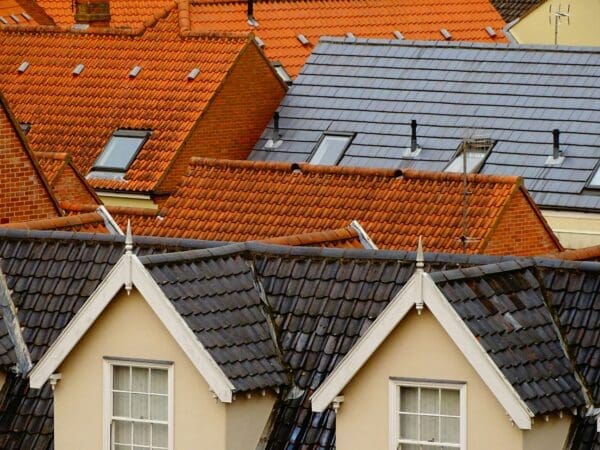
Asphalt shingles are the most widely used roofing material in the United States, combining cost-effectiveness with easy installation and widespread availability. There are two main types: simple 3-tab shingles and thicker, more attractive architectural shingles. Standard 3-tab shingles generally last 15 to 20 years, while architectural versions can extend the lifespan to 25 or even 30 years. Color choices are vast, and the material’s lightweight nature makes it suitable for nearly any residential structure.
Despite their affordable price and popularity, asphalt shingles are less durable than other roofing materials and may need replacement more frequently, especially in regions with extreme weather. Regular inspections help maximize their lifespan and protect your home from leaks and storms.
Metal Roofing
Metal roofing, available in steel, aluminum, copper, and zinc, has surged in popularity due to its modern appearance and outstanding longevity. A properly installed and maintained metal roof can last anywhere from 40 to 70 years. Other key benefits include high fire resistance and the ability to reflect solar radiation, which can significantly reduce summer cooling costs. Unexpectedly lightweight, metal panels are also less taxing on a home’s structural framing than heavy alternatives like tile or slate.
The higher installation cost tends to be balanced by its extended service life and minimal maintenance needs. Occasional inspections and cleaning typically suffice to prevent rust or other weathering, especially for coated steel options.
Clay and Concrete Tiles
Clay and concrete roof tiles are celebrated for their unique, Mediterranean-style silhouette and long-term dependability. Their impressive lifespans typically range from 50 to more than 100 years, making them a premium choice for homeowners seeking enduring value. Both materials stand out for outstanding fire resistance and exceptional durability in hot, sunny climates. However, their weight requires an especially strong underlying roof structure.
The initial investment for clay or concrete tiles is fairly significant, and due to their brittleness, installation must be completed by experienced professionals to avoid costly breakages. Regular inspection provides early warning of cracks or damage, maximizing longevity and performance.
Slate Roofing
Often considered the gold standard of roofing, slate delivers a sophisticated, natural appearance and remarkable durability. Renowned for longevity, authentic slate roofs often serve homes for 75 to 150 years or more. Alongside this strength, slate provides outstanding protection from fire, wind, and severe weather conditions. Each tile is hand-laid, which requires specialized skill and experience to avoid breakage and ensure a watertight seal.
Slate’s principal disadvantages involve its high cost and substantial weight, both of which limit its suitability to robustly framed structures and higher-end budgets. Homeowners considering slate should consult with both roofing contractors and structural engineers before installation.
Wood Shingles and Shakes
Wood shingles and shakes, most often crafted from cedar, offer a classic, rustic appeal that blends beautifully into both historic and modern settings. With proper sealing, maintenance, and regular inspections for insects or rot, wood roofing can last between 25 and 40 years. Wood also serves as an excellent insulator, providing natural temperature regulation for the home.
However, wood roofs pose a higher risk in fire-prone areas and require repeated treatments for insects, fungi, and UV degradation. Local building codes frequently restrict or ban their use in certain regions to minimize the risk of wildfire transmission. Be sure to check your region’s regulations and maintenance requirements before selecting a wood roof.
Synthetic Roofing Materials
Synthetic roofing has gained traction for its capacity to replicate the aesthetic of natural materials like slate, tile, or wood, while offering reduced weight and enhanced durability. These composite options often last 40 to 50 years, require less maintenance, and are generally less expensive to install than authentic slate or tile. Many synthetic shingles are manufactured with recycled content, appealing to eco-minded homeowners.
Although not as time-tested as traditional materials, quality products from reputable manufacturers can be an excellent alternative where weight reduction, sustainability, or cost savings are top priorities. For more information about the latest roofing innovations, visit Consumer Reports’ roofing buying guide.
Factors Affecting Roof Longevity
Several important factors directly impact the longevity and performance of a roof:
- Climate: Exposure to extreme heat, cold, wind, or precipitation will shorten the lifespan of many roofing materials. For instance, shingles may deteriorate quickly in hot, sunny climates, while freeze-thaw cycles can crack tile or slate.
- Installation Quality: Professional installation performed by skilled experts is crucial for any roofing system. Even the highest-rated materials can fail if seams are not properly aligned or protective layers are not installed as specified.
- Maintenance: Simple tasks such as clearing debris, inspecting for damage after storms, and fixing leaks early can prevent minor wear from leading to major repairs.
- Ventilation: Adequate attic ventilation reduces moisture and heat buildup under the roof deck, preventing premature deterioration and reducing the risk of rot or mold.
Conclusion
Choosing the right roofing material involves a careful balance of budget, curb appeal, and long-term reliability. While materials like slate, clay, or metal deliver exceptional durability, their higher up-front costs must be weighed against their extended service lives. Conversely, asphalt shingles are a cost-effective solution that fits many needs but may require more frequent replacement. Assess your goals, region, and maintenance readiness, and consult experts to select a roofing system that provides both beauty and peace of mind for decades.