

Tackling The Hidden Causes Of Persistent Morning Fatigue
Fatigue can affect us for all manner of reasons, whether it’s down to working a long day or not getting enough food to refuel in the evening. However, when you wake up feeling tired, it can become a very frustrating problem. A lot of people wake up feeling low energy and like they’re ready to go back to bed even after a full night’s sleep, but sleeping more isn’t always going to solve the problem. Sometimes, it can be a little more complex, so here, we’re going to look at what you can do to tackle those hidden causes of morning fatigue.
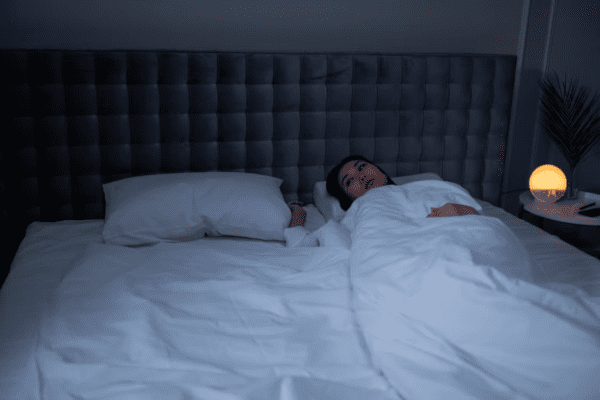
Poor Sleep Quality
Although you might be getting enough sleep in terms of hours spent sleeping, if you’re overlooking the quality of your sleep, then it’s not going to be as effective as you would like. Sleep disruptions, even brief ones that go unnoticed, can prevent the body from completing essential restorative cycles. Frequent awakenings caused by noise, temperature fluctuations, stress, or discomfort may leave you feeling tired despite getting seven to eight hours of sleep. Reaching those deeper levels of sleep (like REM sleep) is crucial to your overall sleep quality, so make sure that you look at what’s getting in the way of your sleep quality. It might be the case that you’re not sleeping on a consistent schedule, in an environment that’s more distracting than you realize, or even that you might need a better mattress.
Chronic Stress
Your mental state matters a lot more to your sleep than you might think. If you’re taking stress with you to bed, it’s not going to simply dissipate, and it can impact your sleep quality greatly. Elevated levels of cortisol (also known as the stress hormone) can keep the body in a heightened state of alertness, making it difficult to achieve restorative sleep. Even if you fall asleep easily, chronic stress can increase nighttime awakenings and reduce the amount of deep sleep your body receives. This can lead to an ongoing cycle of exhaustion and worsening mental well-being, which then makes it harder to sleep again. Managing stress through mindfulness practices, exercise, meditation, or journaling can help calm the nervous system and support healthier sleep patterns.
Nutritional Deficiencies
What you eat influences every other aspect of your health and wellbeing; it should be no surprise that it can affect your sleep, as well. Deficiencies in essential nutrients such as iron, vitamin B12, vitamin D, and magnesium can contribute to ongoing fatigue, even when sleep habits appear healthy. Without the oxygen support, muscle recovery, and energy recovery effects of these nutrients, you’re a lot more likely to wake up feeling tired out, already. Make sure that you’re eating a balanced diet in whole foods, lean proteins, fruits, vegetables, and healthy fats, and check with your doctor if you have any deficiencies that you might need to address in particular.
Undiagnosed Sleep Disorders
There might be more wrong with your sleep than you initially figured. A lot of people suffer from sleep disorders without even knowing it. This can include issues like sleep apnea, restless leg syndrome, and insomnia, all of which can have worsening long-term effects on mental and physical health. Sleep apnea, for example, causes repeated interruptions in breathing throughout the night, reducing oxygen levels and preventing restorative sleep. Because these interruptions often occur without full awareness, many people remain undiagnosed for years. If you snore at night, wake up with headaches, or have difficulty concentrating and feel excessively sleepy in the morning, it might be worth getting a medical evaluation to get to the bottom of the issue.

Lack Of Physical Activity
While you can feel tired out after a workout, you can actually feel even more drained if you don’t get enough physical activity, as counterintuitive as it might sound. Regular movement plays an important part in energy production and maintenance, improving your circulation, regulating your hormones, and generally improving your sleep quality. Those who spend long hours sitting can often experience reduced energy levels and more feelings of sluggishness as a result. Exercise also helps reduce stress and improve mood, both of which influence sleep quality. Walking, cycling, swimming, strength training, or even short daily stretching sessions can all have a big impact on your health in general, while also making you more likely ot wake up refreshed and energized.
Physical Tension
If there’s discomfort in your body, it’s only natural that it can affect your sleep quality in ways that are both obvious and otherwise. Neck tension, poor posture, muscle stiffness, and ongoing physical stress can affect your body even when you’re not aware of it (such as when you’re sleeping), so you’re more likely to feel fatigued when you wake up. Long hours at a desk, awkward sleeping positions, or poor posture control in general can increase the strain on your body. Alongside stretching programs, you might want to look into more hands-on methods to address this stress, be it through massage therapy or making an appointment with an upper cervical chiropractic specialist. Greater physical comfort often contributes to more restorative rest and improved morning energy.
Screen Time At Night
Many of us spend more time glued to our screens than we ought to, and this goes double at nighttime. Smartphones, tablets, televisions, and computers emit blue light that can interfere with the body’s natural production of melatonin, the hormone responsible for regulating sleep cycles. As such, too much screen use before bedtime may delay sleep onset and reduce overall sleep quality. Scrolling on your phone right before bed can have a doubly negative impact on your sleep quality, as you are typically stimulating your brain right before trying to get to sleep, which means it can be tougher to calm it down enough to actually drift off. Try to limit your screentime at least an hour before bed, and you could have an easier time settling into deep sleep.
With the tips above, hopefully you can find the issue that’s slowing you down and, perhaps with a little help, ensure that a full night’s sleep leaves you feeling truly rested again.