The Role Of Animal Hospitals In Post Surgical Rehabilitation
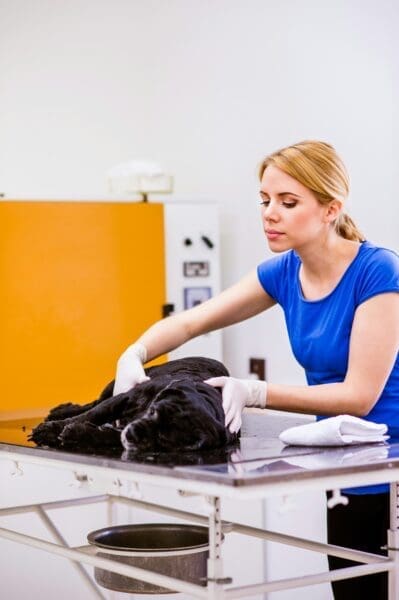
After surgery, your pet feels weak, confused, and in pain. You may feel afraid of every small movement. Animal hospitals guide you through this hard stretch. They do more than fix a medical problem. They help your pet relearn daily life. A hospital team watches every step after surgery. They manage pain, prevent infection, and adjust care when healing stalls. They use simple exercises to protect joints and muscles. They teach you how to lift, walk, and comfort your pet at home. This steady support lowers the chance of setbacks and repeat surgery. It also shortens recovery time. If you work with a veterinarian in Cary, NC, or anywhere else, the hospital staff becomes your partner. They explain what each sign means. They show you what is safe and what is not. You never have to guess what your pet needs next.
Why post surgical rehabilitation matters
Surgery stresses your pet’s body. Muscles lose strength. Joints stiffen. The heart and lungs work harder to keep up. Without planned rehab, your pet can lose more strength each day. That loss slows healing. It also raises the risk of new injuries.
Rehab gives structure. It sets clear steps from the first day after surgery through the return to normal play. You get a plan. Your pet gets steady care. This structure brings calm to a frightening time.
The hospital’s role in the first 72 hours
The first three days after surgery are often the hardest. Small problems can grow fast. Animal hospitals protect your pet during this fragile stage through three main actions.
- Pain control with safe drugs and careful monitoring
- Protection of the incision from infection and swelling
- Early movement to prevent stiffness and blood clots
Staff watch breathing, heart rate, body temperature, and behavior. They notice early signs of infection or bleeding. They change bandages. They clean the incision. They track how often your pet eats, drinks, and uses the bathroom. Each detail shows how the body is coping with the stress of surgery.
You also start learning during this time. Nurses and doctors show you how to hold your pet, how to use a sling, and how to support stairs or short walks. They repeat instructions until you feel steady. You leave the hospital with written steps, not guesses.
Planned movement and exercise
Rest is important. Still, too much rest harms healing. Joints lock. Muscles waste. Animal hospitals use simple, low stress exercises to keep the body working while the incision heals.
Common rehab steps include three core methods.
- Gentle range of motion work for stiff joints
- Short, slow walks on flat ground
- Controlled weight shifting to build balance
Some facilities also use tools like underwater treadmills or balance boards. These support the body and lower strain on healing tissue. Guidance from the American College of Veterinary Surgeons explains how controlled movement protects surgical repairs and supports safer healing.
Pain management and comfort
Uncontrolled pain slows every part of healing. It keeps your pet from walking, eating, and resting. It can lead to fear and biting. Animal hospitals build pain control plans that match your pet’s age, size, and surgery type.
They often use three kinds of support.
- Drugs that lower pain and swelling
- Local treatments like ice packs or gentle heat when safe
- Calm handling, quiet rooms, and soft bedding
Staff watch for signs of hidden pain. These may include fast breathing, tight facial muscles, shaking, or refusing food. The World Small Animal Veterinary Association offers guidance on pain signs and treatment.
Teaching you how to care at home
Rehab does not stop when you leave the hospital. Your home becomes the recovery room. A good hospital prepares you before you walk out the door.
Staff explain three critical topics.
- How to keep the incision clean and dry
- How to give drugs safely and on time
- How to manage movement, play, and rest
You learn how to set up a small, safe space. You hear when to use a crate, when to use baby gates, and when free roaming is unsafe. You also learn which red flag signs need an urgent call or visit. Clear rules protect your pet and lower your stress.
Comparing home-only care and hospital-guided rehab
Some families think rest at home is enough. Care at home is essential. Still, missing hospital support can carry real costs. The table below shows common differences.
| Aspect of recovery | Home care without hospital rehab plan | Home care with hospital guided rehab |
|---|---|---|
| Pain control | Drugs given, but dosing or timing may drift. Pain signs are often missed. | Planned drug schedule. Staff adjusts doses. You learn clear pain signs. |
| Movement | Rest often lasts too long. Stiff joints and weak muscles are common. | Stepwise plan for walks and exercises. Strength returns faster. |
| Incision care | Bandage changes may be late. Licking or chewing may go unseen. | Regular checks. Early response to redness, swelling, or discharge. |
| Risk of new injury | Higher, because lifting and walking methods are unclear. | Lower, because you learn safe handling and limits for play. |
| Stress for pet and family | High. Many unknowns. Fear of making a mistake. | Lower. Written plan. Clear follow-up visits and phone support. |
Planning follow up and long-term support
Recovery does not follow a straight line. Some pets bounce back fast. Others stall. Regular checkups let the team track changes in pain, strength, and movement. They may adjust drugs. They may change exercises. They may add weight loss plans or joint support if needed.
You play a central role. You watch appetite, sleep, bathroom habits, and mood. You share this with the care team. Together, you protect the progress already won.
How to work with your animal hospital
You do not need to know every medical term. You only need to share what you see and ask clear questions. You can use three steps.
- Bring a written list of changes you notice at home
- Ask for written instructions for drugs, exercises, and limits
- Schedule the next visit before you leave the hospital
When you and the hospital team work side by side, your pet gains strength with less fear and less pain. Careful rehab turns a frightening surgery into a controlled path back to daily life.