The Impact Of Animal Hospitals On Community Animal Welfare
You might be looking around your neighborhood and feeling uneasy. Maybe you see more stray cats than you used to, or you hear about a friend who had to surrender a pet because they could not afford care, or you worry about what would happen if your own animal had an emergency at night and you didn’t know where to find a trusted animal hospital in downtown Fontana. It can feel like the safety net for animals in your community is thin, and that is a heavy thing to carry.end
At the same time, you may sense that when an animal hospital is strong and connected to the community, everything feels a little safer. Pets get help sooner, shelters are less overwhelmed, and families do not have to choose between rent and basic veterinary care. That is the core idea here. The impact of animal hospitals on community animal welfare is not abstract. It shows up in quieter shelters, fewer emergencies, and more families able to keep the animals they love.
So the short version is this. When animal hospitals provide accessible, preventive, and emergency care, partner with shelters and outreach groups, and focus on community veterinary medicine, they shift the whole system from crisis mode to stability. When those pieces are missing, problems grow quietly until they are much harder to fix.
Why does it feel like animals are always in crisis in my community?
Think about how many things have to go right for one pet to be healthy. The family needs money for vaccines, food, and occasional tests. They need transportation to an animal hospital or clinic. They need information about what is normal and what is an emergency. When even one of those pieces is missing, you start to see the fallout.
Maybe you know someone who noticed a small lump on their dog months ago but kept putting off a visit because they were worried about the bill. Eventually the dog ends up in the emergency room with advanced disease. Or you see a neighbor’s cat have litter after litter of kittens because spay and neuter services feel out of reach. None of these people are uncaring. They are stuck between love for their animals and very real limits of time, money, or access.
Because of this tension, you might wonder why more animal hospitals do not simply lower their prices or offer free services. The reality is more complicated. Hospitals carry the cost of medical equipment, trained staff, medications, and emergency readiness. When communities struggle, clinics often struggle too, which can limit what they are able to provide.
Research on access to veterinary care and community needs shows that many families delay or skip care because of cost, transportation, or fear of judgment. When this happens at scale, it is not just one pet at risk. Disease spreads more easily, shelters fill up, and the emotional load on everyone working with animals grows heavier.
How do animal hospitals actually change community animal welfare?
So where does that leave you and your community. The good news is that when animal hospitals are intentional about serving their neighborhoods, the ripple effect can be powerful. You might hear people talk about “community veterinary medicine” or “community animal care.” These are different ways of describing community-focused animal hospital services that meet people where they are.
Studies on community veterinary medicine programs have shown a few clear patterns. When basic veterinary care is made more accessible, more pets stay with their families, shelter intakes go down, and preventable suffering drops. It is not magic. It is steady, practical support.
Here are some of the ways an animal hospital can shape community welfare.
1. Preventive care that stops crises before they start
Routine vaccines, parasite control, dental cleanings, and wellness exams sound simple, yet they are the foundation of healthier neighborhoods. When fewer animals carry contagious disease, everyone’s pets are safer. When conditions are caught early, treatment is often less expensive and less painful. This is where a strong animal hospital moves a community from reacting to emergencies to managing health.
2. Emergency and urgent care as a true safety net
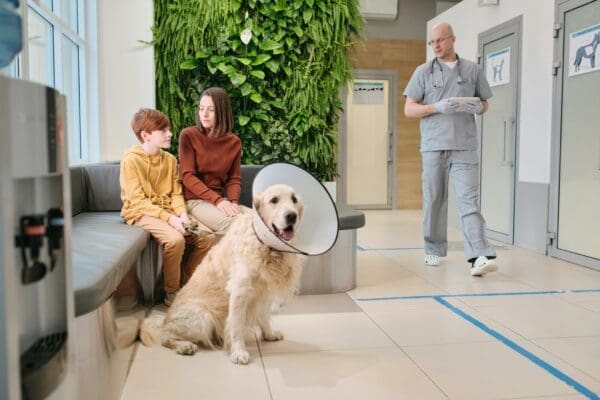
Accidents, sudden illness, and trauma will always happen. What changes is the outcome when there is a trusted place to go, day or night. An accessible emergency hospital means a hit-by-car dog, a blocked male cat, or a seizing puppy has a real chance. It also offers emotional relief. People know they are not alone when the worst happens.
3. Support for shelters, rescues, and trap-neuter-return programs
Shelters and rescues often operate at the breaking point. When animal hospitals work closely with them, providing discounted services, spay and neuter support, and medical consults, they help reduce suffering far beyond their own client base. That is how the impact of animal healthcare services extends to feral cat colonies, stray dogs, and animals with no clear owner at all.
4. Community education and trust-building
One quiet but powerful role of animal hospitals is education. Clear conversations about nutrition, behavior, safe housing, and end-of-life decisions can prevent neglect, abandonment, and unnecessary suffering. When people feel respected instead of judged, they are more likely to seek help early and often.
What should you weigh when thinking about animal hospitals and community care?
You might be wondering how all of this translates into real choices. For example, is it better to rely on pop-up low-cost clinics, or to build a relationship with a full-service hospital that offers some community programs. There is no single right answer, but some comparisons can help you see the tradeoffs more clearly.
| Aspect | Relying on sporadic low-cost events | Partnering with a community-focused animal hospital |
|---|---|---|
| Access to care | Occasional, limited services. May miss urgent issues between events. | Ongoing access for preventive, urgent, and follow-up care. |
| Continuity and records | Scattered records, harder to track chronic problems. | Centralized history, easier to spot patterns and catch disease early. |
| Cost management | Lower cost in the moment, but higher risk of delayed diagnosis and bigger bills later. | More predictable plans, payment options, and earlier intervention that can reduce long-term costs. |
| Community impact | Helps in bursts, but limited ability to support shelters or outreach programs consistently. | Stronger partnerships with shelters, rescues, and outreach that reduce intake and euthanasia over time. |
| Emotional support | Brief contact, little room for counseling or hard conversations. | Trusted relationships that support families through tough choices and emergencies. |
Neither option is wrong. Many communities need both. What matters is recognizing that a stable, community-minded hospital can hold a lot of the weight that would otherwise fall on shelters, good Samaritans, and already stressed families.
What can you do right now to strengthen animal welfare where you live?
It is easy to feel powerless when you see suffering. You do not control policy or budgets, and you may have your own financial limits. Even so, there are concrete steps you can take that matter more than you might think.
1. Build a relationship with a local animal hospital before a crisis
If you have pets, schedule a wellness visit while things are calm. Share your financial reality honestly. Ask about preventive care priorities, payment options, and what to do if an emergency happens after hours. Even one thoughtful visit creates a record, a point of contact, and a sense of mutual trust. If you do not have pets, you can still learn which hospitals near you support shelters or offer community services, so you know who to recommend.
2. Support community veterinary programs in any way you can
If there are low-cost vaccine clinics, spay and neuter days, or outreach events tied to an animal hospital, help spread the word. Share accurate information with neighbors. Offer a ride to someone who cannot get there. If you have the means, small donations to these programs go straight into reducing preventable suffering. The research on community veterinary medicine shows that even modest support can keep many animals in their homes and out of shelters.
3. Advocate gently but firmly for accessible care
When you talk with local officials, shelters, or clinic staff, name what you are seeing. More strays. Families surrendering pets for medical reasons. Long waits for basic services. Ask how partnerships with animal hospitals might help. Suggest that any funding or grants consider the role of community animal hospital services as part of the solution, not an afterthought. Change often starts with simple, persistent questions.
Where does this leave you and your community?
If you feel overwhelmed by the state of animals where you live, you are not alone. The problems are real. Yet they are not unsolvable. When animal hospitals lean into their role as anchors for preventive care, emergency help, and community partnership, the entire system shifts. Shelters breathe a little easier. Families have more options. Animals suffer less.
Your part does not have to be dramatic. It can be as simple as choosing a hospital that supports community programs, sharing resources with a neighbor who is struggling, or speaking up about the need for accessible veterinary care. Every small action strengthens the quiet network that keeps animals safe.
You and your community deserve that kind of safety net. And step by step, with thoughtful support for animal hospitals and community veterinary care, it is possible to build it.