The Health and Wellness Benefits of Kratom
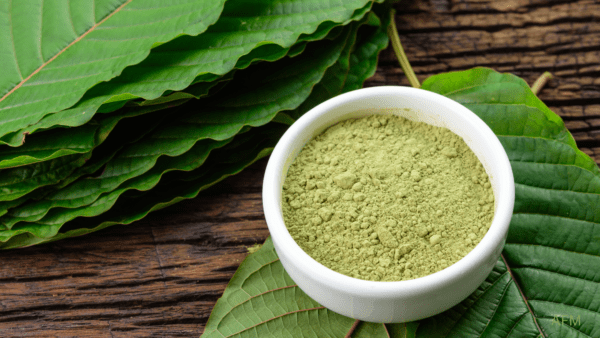
Kratom, known scientifically as Mitragyna speciosa, is a tropical tree that is native to countries like Thailand, Malaysia, and Indonesia. The leaves of this tree have been used traditionally by local populations for their medicinal properties, primarily for managing pain and increasing energy levels. As kratom continues to gain popularity in different parts of the world, including kratom Columbus Ohio, The increasing acknowledgment of its potential health benefits is notable. Compounds such as mitragynine and 7-hydroxy mitragynine found in the leaves interact with opioid receptors in the brain, offering effects that range from pain relief to euphoria and energy enhancement.
Kratom in Columbus, Ohio, has sparked both interest and controversy in recent years. With its growing popularity as an alternative remedy for various ailments, including pain management and anxiety relief, many locals have embraced its potential benefits. However, debates surrounding its legality and potential health risks have also emerged. Despite this, numerous shops in Columbus offer a variety of kratom products, catering to the diverse needs of its residents. As the discussion continues, the future of kratom in Columbus remains uncertain, yet its presence continues to shape the city’s wellness landscape.
Despite its growing popularity, there remains a significant amount of misinformation and misunderstanding about what kratom is and how it can be beneficial. This article aims to break down the various aspects of kratom, from its historical uses and cultural significance to its potential health benefits and scientific research. By providing a comprehensive overview, we hope to shed light on why so many people are turning to this natural remedy.
Historical Usage of Kratom
Historically, kratom has played a vital role in the communities of Southeast Asia. In countries like Thailand and Malaysia, laborers and farmers would chew on the kratom leaves to alleviate pain and enhance their stamina, enabling them to endure long hours of manual work. These cultures have used kratom for centuries, not just as a daily energy booster but also in various traditional ceremonies and rituals. The leaves were often chewed or brewed into tea to harness their medicinal properties. For those interested in delving deeper into the historical aspects of kratom, National Geographic’s in-depth article provides a comprehensive look at its usage over the years.
In addition to its practical uses, kratom has also been a part of traditional medicine in these regions. It was used to treat a variety of ailments, such as diarrhea, cough, and even opiate withdrawal. The historical use of kratom is a testament to its versatility and the integral role it has played in traditional Southeast Asian medicine. This rich history has laid the foundation for its modern-day applications and growing popularity worldwide.
Health Benefits of Kratom
Kratom offers a range of health benefits that make it a leading alternative to traditional medications. Some of the most notable benefits include:
- Pain Relief: Many users find kratom effective for managing chronic pain, largely due to its interaction with the opioid receptors in the brain. This makes it a natural alternative to traditional painkillers, which often come with side effects and the risk of dependency. Mitragynine and 7-hydroxy mitragynine are the active compounds responsible for these pain-relieving effects.
- Energy Boost: In smaller doses, kratom, especially white horn kratom, can offer a natural energy boost, which is particularly useful for overcoming fatigue and improving focus. Many users report a heightened sense of alertness and enhanced productivity, making it a popular choice among people dealing with chronic fatigue or those looking for a natural stimulant.
- Improvement in Mental Health: Some studies suggest that kratom may help relieve symptoms of anxiety and depression by interacting with mood-regulating neurotransmitters. The calming effects of kratom can help reduce anxiety levels and produce a feeling of well-being, which can be beneficial for those struggling with mental health issues.
These benefits make kratom a versatile and attractive option for individuals seeking natural alternatives to synthetic medications. While more research is needed to fully understand its long-term effects and potential risks, the anecdotal evidence and preliminary studies are promising.
Different Ways to Consume Kratom
There are diverse forms of kratom consumption, each providing a distinct experience. Some of the common methods include:
- Tea: Brewing the leaves or powder to create kratom tea is a popular method, especially for those who enjoy a warm beverage. This process allows the active compounds to be easily absorbed by the digestive system and offers a more controlled release of effects.
- Powder: The dried leaves are ground into a fine powder that can be mixed with liquids or taken directly. This form is versatile and allows users to easily adjust their dosage. However, the taste can be quite bitter, which may be off-putting to some.
- Capsules: For those who dislike the taste, kratom is available in capsule form for easy consumption. This method ensures a consistent dosage without the bitterness, making it a convenient option for those who seek ease and precision in their consumption.
Each method has its own set of advantages and can be selected depending on personal preferences and convenience. Whether you lean towards the ceremony of steeping tea or the ease of ingesting a capsule, there’s a consumption approach tailored to your lifestyle and preferences.
Safe Usage Guidelines
When using kratom, it’s essential to follow some safety guidelines to avoid potential risks. Always start with a low dose, and never mix kratom with other substances that could cause harmful interactions, such as alcohol or other drugs. It’s also important to source kratom from reputable vendors to ensure its purity and quality. Adhering to these guidelines can enhance your experience and minimize risks. Additionally, it is advisable to take breaks between uses to prevent tolerance build-up and dependency.
Listening to your body and monitoring how you react to different doses can also help you find the most effective and safe way to incorporate kratom into your routine. Seeking advice from healthcare professionals prior to initiating kratom use, particularly if you have underlying health conditions or are on other medications, is consistently wise.
Potential Side Effects
Similar to any dietary supplement, kratom carries potential side effects. These may vary from mild symptoms like nausea and dizziness to more serious conditions, particularly if consumed in excessive amounts, such as liver toxicity or addiction. It’s crucial to be aware of these side effects and use kratom responsibly. With time, your body might develop a tolerance to kratom, necessitating higher doses for desired effects, potentially heightening the risk of side effects. For further information on side effects, refer to this article from WebMD.
Having knowledge about the potential risks and side effects can empower you to make more informed decisions regarding your kratom usage. Monitoring your usage and adjusting as necessary can also minimize these risks and ensure a safer experience.
Scientific Research and Studies
While more research is needed, there are preliminary studies that highlight both the potential benefits and risks of using kratom. These studies help to paint a fuller picture of its medicinal properties and assist consumers in making informed decisions. Current research is exploring kratom’s potential in pain management, opioid withdrawal, and mood enhancement, providing valuable insights into its efficacy and safety. Scientific research is ongoing, and it will take time to fully understand the long-term effects and potential health implications of kratom use.
One of the challenges researchers face is the variability in the chemical composition of kratom based on its origin, which can affect its potency and effects. Therefore, standardized testing and regulation may be required to ensure consistent and safe use. Remaining up-to-date with the most recent scientific discoveries can assist users in remaining well-informed about the constantly changing landscape of kratom research.
Kratom and the Law
Kratom’s legal status varies worldwide, and it even differs among states in the U.S., It’s crucial to stay updated on local regulations to ensure its lawful use. Recent updates and legal debates continue to shape the accessibility and regulation of kratom worldwide. For example, some states have completely banned its use, while others have specific regulations to control its distribution. It’s highly recommended to consult with local authorities or legal experts to understand the specific legal landscape in your area. Being informed about the legal status of kratom can help you navigate its use responsibly and legally. The evolving legal landscape is driven by ongoing research and public opinions about kratom’s safety and efficacy. Advocacy groups and consumers play a significant role in influencing these regulations, making it important for users to stay engaged and informed.