The Essential Guide to Safe and Efficient Tree Removal
Trees add beauty, shade, and life to our outdoor spaces. However, there are times when tree removal becomes necessary. Whether a tree is unhealthy, poses a safety risk, or interferes with your property plans, knowing how to approach the process safely and efficiently is essential.
Why Tree Removal May Be Necessary
While trees are valuable, certain situations make removal unavoidable:
- Diseased or Dying Trees: A tree that shows signs of disease or decay can become unstable. Fungal growth, cracks in the trunk, or dead branches are warning signs. Leaving a dying tree in your yard can lead to falling branches or even a complete collapse.
- Safety Concerns: Trees that lean over homes, driveways, or power lines are potential hazards. Storms or strong winds can worsen the problem, increasing the risk of property damage or injury.
- Construction or Landscaping Projects: Sometimes trees must be removed to accommodate new construction, garden redesigns, or pathways. Removing the right trees can improve your outdoor space without harming other plants or the ecosystem.
- Invasive or Unwanted Species: Certain fast-growing or invasive trees may take over a yard, crowding out other plants and affecting soil health. Removing them may be necessary for a balanced landscape.
Understanding these reasons ensures you act at the right time, preventing costly accidents and maintaining a safe environment.
The Importance of Professional Assistance
Tree removal is not a task to take lightly. Attempting to remove a large or damaged tree on your own can be extremely dangerous. Hiring skilled professionals ensures the job is done safely and efficiently. Many homeowners also combine removal with routine maintenance, such as tree pruning services, to maintain healthy growth and prevent future hazards. Here’s what to look for when choosing a tree removal Ottawa:
- Experience and Certification: A reputable company should have certified arborists or trained staff experienced in handling different types of trees and challenges.
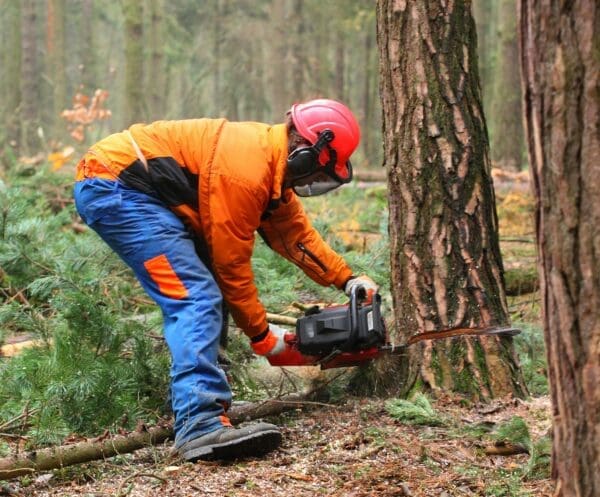
- Proper Equipment: Professional tree removal requires specialized tools, from chainsaws and ropes to cranes for larger trees. Using the right equipment minimizes risk.
- Safety Standards: Professionals follow strict safety protocols, including protective gear, site preparation, and controlled cutting techniques.
- Insurance Coverage: Make sure the service provider has liability insurance to protect you from potential accidents or property damage.
Hiring experts not only saves time and effort but also ensures the safety of your property, family, and surrounding landscape.
Understanding the Tree Removal Process
Professional tree removal is a systematic process designed for safety and efficiency. Here’s what typically happens:
- Assessment: Experts inspect the tree, surrounding structures, and potential hazards. This step helps determine the best removal strategy.
- Preparation: The area around the tree is cleared, and safety measures are put in place, including protective barriers and equipment setup.
- Tree Removal: Using precise cutting techniques, the tree is carefully removed in sections. This method prevents damage to nearby structures and plants.
- Stump and Debris Removal: After the tree is down, professionals grind the stump and clean up debris. Proper disposal ensures your yard looks neat and prevents pest infestations.
This methodical approach reduces risks and ensures that tree removal is completed without unnecessary damage to your property.
Eco-Friendly Tree Disposal
Many modern tree removal services focus on environmentally responsible disposal methods. Trees can be recycled into:
- Mulch: Ground wood can be used as mulch for gardens, helping retain soil moisture and prevent weeds.
- Firewood: Large logs can be cut and dried for firewood.
- Compost: Smaller branches and leaves can enrich the soil as compost.
Regular maintenance, including professional tree pruning services, also supports sustainability by promoting healthier growth and reducing unnecessary removals over time. Choosing a service that recycles or repurposes tree materials is better for the environment and promotes sustainable landscaping practices.
Preparing for Tree Removal
If you’re planning a tree removal, there are steps you can take to make the process smoother:
- Clear the Area: Remove vehicles, outdoor furniture, and other objects near the tree.
- Check Local Regulations: Some municipalities in Ottawa require permits for removing certain types of trees. Ensure compliance to avoid fines.
- Inform Neighbors: If the tree is near property lines, notifying neighbors in advance is courteous and helps prevent disputes.
Being prepared allows professionals to work efficiently and minimizes disruption to your daily life.
Conclusion
Tree removal may seem like a complex task, but with the right planning and professional care, it becomes a safe and efficient process. Addressing unhealthy or hazardous trees early helps protect your property, improves outdoor usability, and supports long-term landscape health. Proper removal also prevents unexpected damage, enhances curb appeal, and creates space for future planting or improvements. By making informed decisions and working with qualified specialists, homeowners can maintain a safer, cleaner, and more visually appealing environment year-round.