How Heat Pumps Are Transforming Home Heating
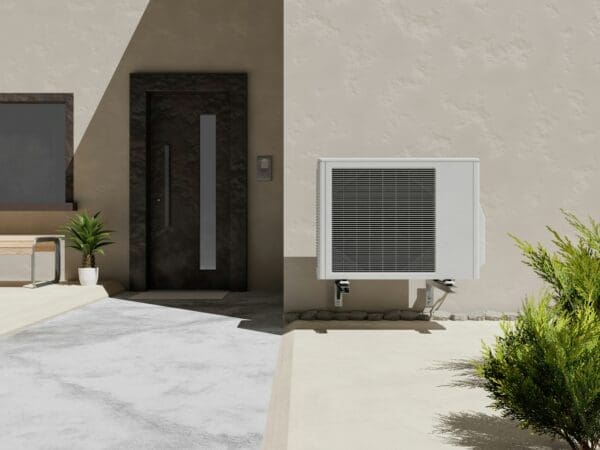
Heat pumps are revolutionizing the way people heat their homes, ushering in a new era of energy efficiency and sustainability. As homeowners become more conscious of both their environmental impact and monthly utility costs, interest in advanced heating technology is rising. For those considering an upgrade, finding the best heat pump installation in Ottawa or across Canada has become a top priority. The shift toward heat pumps signifies a worldwide move toward greener, smarter home heating systems.
From their exceptional energy performance to the incentives available from government programs, heat pumps are capturing attention and market share at a record pace. Whether you are a homeowner researching replacement options or simply curious about environmental innovations, understanding how heat pumps work, their advantages, and how they are impacting home heating will help you make informed decisions for your property and the planet.
What Are Heat Pumps?
Heat pumps are innovative systems that transfer heat energy from the air, ground, or even water outside your home to the inside during colder months. In warmer months, the process can be reversed to cool your home. Unlike standard furnaces or boilers, which generate heat through combustion, heat pumps simply move existing heat, requiring far less energy to regulate your home’s temperature. This unique mechanism not only provides warmth but also often eliminates the need for a separate air conditioning system, making heat pumps an all-in-one solution for year-round comfort.
The Rise of Heat Pumps
The adoption of heat pumps has accelerated rapidly in the last few years. In 2024, they outsold traditional gas furnaces by 27%, according to industry reports. This trend has continued for three straight years, revealing a sustained change in consumer attitudes and priorities. Rising energy prices, environmental regulations, and widespread climate change awareness are key factors behind this new momentum. As more households seek reliable, clean alternatives to fossil-fuel-burning systems, heat pumps are proving to be a leading solution.
According to a report by BBC Future, the shift toward electric heating is also being fueled by new policy measures and incentives designed to accelerate the transition away from gas- and oil-based heating. These changes reflect a broader drive to reduce carbon emissions and a willingness among governments and consumers to embrace innovation in the residential energy sector.
Benefits of Heat Pumps
- Energy Efficiency: Heat pumps are celebrated for their efficiency ratings, sometimes operating at up to 5 times the efficiency of conventional furnaces. This means homeowners can enjoy greater comfort with less energy use and lower utility costs.
- Cost Savings: Though the initial price of purchasing and installing a heat pump can be higher than that of a gas furnace, many homeowners report significant savings on energy bills over the life of the unit. These ongoing operational savings can quickly offset the upfront investment.
- Environmental Impact: By transferring rather than producing heat, heat pumps sharply reduce greenhouse gas emissions. This eco-friendly aspect aligns perfectly with new global initiatives targeting net-zero carbon emissions over the next few decades.
- All-Season Comfort: Because they provide both heating and cooling in a single unit, heat pumps offer a practical, convenient solution for climates that experience all four seasons.
Government Initiatives and Incentives
Governments across North America and Europe are aggressively pushing for greater adoption of heat pumps to help meet climate and energy targets. In the United States, a coalition of 25 governors formed the U.S. Climate Alliance, which aims to quadruple the number of heat pump installations in residential homes by 2030. Legislation such as the Inflation Reduction Act has introduced valuable tax credits and rebates to encourage more homeowners to choose energy-efficient heating systems.
In Canada and several European countries, grants and low-interest loans are now available for those replacing traditional fossil-fuel systems with modern heat pumps. These incentives lower the barrier to entry and enable more households to modernize their home heating systems.
Overcoming Challenges
Despite their environmentally friendly and cost-saving advantages, the transition to heat pump technology still faces challenges. The up-front cost of equipment and installation may be prohibitive for some, though incentives are helping make systems increasingly affordable. The availability of qualified technicians and installers is another concern, as demand frequently outpaces supply, resulting in installation delays.
Performance in more extreme climates, especially very cold Northern regions, has raised legitimate concerns, but ongoing advances in cold-weather heat pump technology have vastly improved reliability and comfort. Manufacturers continue to push the envelope, offering versions specifically engineered for frigid weather.
The Future of Home Heating
As the push for sustainable living intensifies, heat pumps are poised to become a standard feature in new construction and renovation projects alike. Technological advances, government incentives, and mounting consumer pressure for cleaner energy all point to a future where heat pumps lead the way in home comfort. Experts predict that ongoing investment and innovation will keep prices down and further improve performance.
By embracing this technology, homeowners can play a direct role in reducing both costs and emissions, setting a new benchmark for modern, comfortable, and responsible living. For anyone exploring the next step in home energy efficiency, heat pumps offer a compelling and timely solution.