The Digital Witness: How Wearable Tech is Reshaping Civil Litigation
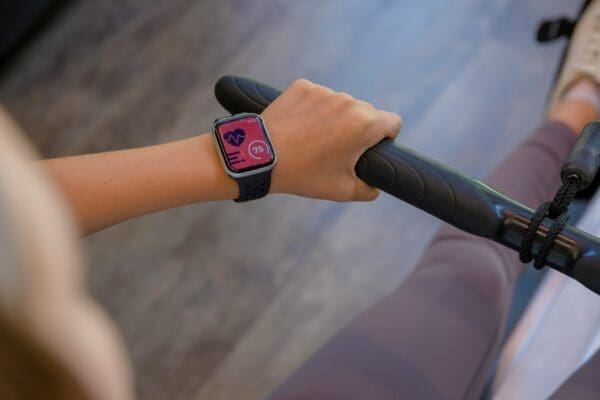
We are living in an era of voluntary, continuous surveillance. Millions of people strap fitness trackers, smartwatches, and biometric rings to their bodies every day to count their steps, monitor their sleep, and track their heart rates. While marketed as health and lifestyle tools, these devices have quietly become one of the most disruptive forces in the business of civil litigation. In personal injury law, the plaintiff’s physical condition is the central issue. Historically, proving pain, suffering, or a loss of mobility relied heavily on subjective testimony and intermittent medical evaluations. Today, wearable technology provides a continuous, timestamped, and objective digital record.
Proving the Incident: GPS and Time-Stamping
The evidentiary value of a smartwatch begins at the exact moment an accident occurs. Many modern wearables feature advanced accelerometers and fall-detection algorithms. If a wearer is involved in a severe car crash or slips and falls in a retail store, the device often logs the sudden deceleration or impact. Combined with the device’s GPS capabilities, this creates a digital timestamp that verifies exactly when and where the injury occurred. For businesses defending against fraudulent premises liability claims, this data is just as vital. If a plaintiff claims they were injured in a specific store at a specific time, but their digital footprint shows they were miles away, the case collapses.
Quantifying the Damage: Biometrics and Activity Levels
The most fiercely contested part of any injury lawsuit is the extent of the damages. A plaintiff may claim that a back injury has left them unable to exercise, play with their children, or sleep through the night. In the past, defense attorneys had to rely on hiring private investigators to catch plaintiffs engaging in physical activity. Now, they simply request the plaintiff’s Apple Watch or Fitbit data during the “discovery” phase of a lawsuit. If the data shows that the plaintiff has been walking 10,000 steps a day or cycling on weekends, it can devastate their claim. Conversely, this data can be a plaintiff’s strongest asset. A sharp, documented drop in daily activity levels immediately following an accident objectively corroborates claims of limited mobility. Furthermore, advanced devices track heart rate variability and sleep disruption, which legal and medical experts are increasingly using to substantiate claims of chronic pain and emotional trauma.
The Privacy Battleground
This influx of data has sparked a massive societal and legal debate regarding privacy. Because a smartwatch collects an immense amount of intimate health data, defense requests for this information are often challenged by plaintiffs’ attorneys as overly broad “fishing expeditions.”
Courts are currently tasked with balancing the relevance of the data against the individual’s right to privacy. To navigate these complex digital discovery requests, injured parties increasingly rely on tech-savvy advocates. Firms like Shindler & Shindler understand how to legally compel the preservation of helpful digital evidence while fighting to protect clients from overly intrusive data mining by corporate defendants.
Conclusion
Wearable technology has turned the human body into a data point. As these devices become more sophisticated, their data will only become more central to the justice system. Whether it acts as an unimpeachable witness for the victim or a silver bullet for the defense, the smartwatch is permanently changing the standard of evidence.