Smart Shopping: How to Plan Meals and Save with Weekly Flyers

Managing your household expenses is easier when you use the right tools and strategies. With food prices fluctuating and budgets tightening, making the most of your grocery trips has never been more important. One of the smartest approaches is to scan local weekly flyers for deals on fresh produce, meat, and pantry staples. By building your shopping list around discounts found in Grocery Flyers near me, you can save money, reduce food waste, and streamline your entire shopping routine.
Weekly flyers serve as a roadmap to bargains at your favorite grocery stores. They offer a preview of what’s on sale, helping you plan meals and avoid overspending on impulse purchases. Incorporating flyer deals into your meal planning isn’t just good for your wallet, but it also helps you eat healthier and avoid unnecessary last-minute takeout.
Taking a few moments to review flyers can lead to lasting habits that make your weekly meal prep both affordable and enjoyable. Not only do you get to explore new recipes based on sales, but you also gain confidence in sticking to a budget. Families and individuals alike benefit from a strategic approach that ensures no item in the fridge or pantry goes to waste. This system works best when you combine flyer savings with digital resources, rewards programs, and careful shopping discipline, turning your trip to the store into a planned, predictable event rather than a stressful expense.
Understanding Weekly Flyers
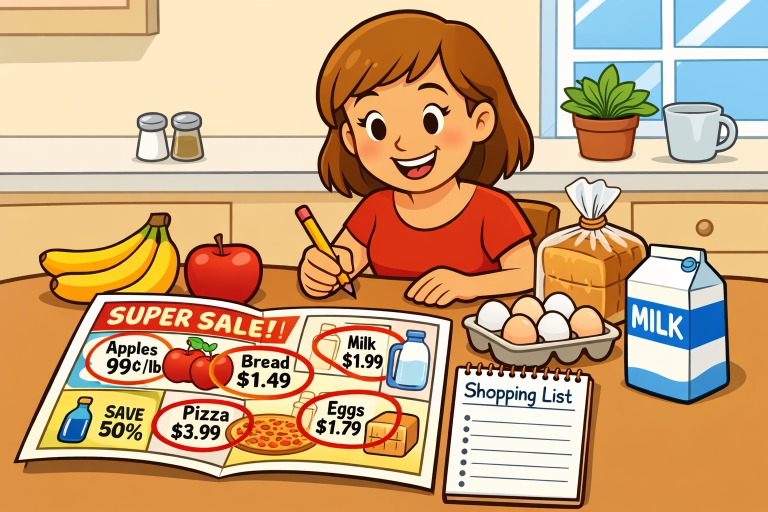
Grocery flyers are released each week by supermarkets and local stores to advertise special prices on various items. Available both online and in print, flyers highlight temporary sales and rotating exclusive deals. Familiarizing yourself with your favorite stores’ flyer schedules, usually running weekly from Thursday to Wednesday or Friday to Thursday, sets the stage for smart shopping. By studying these promotions ahead of time, you get first pick of weekly discounts and can prioritize what to buy based on value. Many grocery chains offer flyers through their websites or apps, and you can also find aggregator platforms that showcase flyers from multiple stores, making it easy to compare prices between retailers and get the best deal.
Strategic Meal Planning
Meal planning based on flyer specials involves mapping out your weekly menu according to what is most affordable that week. For example, if beef or chicken is heavily discounted, plan meals like stir-fries, casseroles, or salads that feature those proteins as the main ingredient. Check the flyers for deals on fresh fruits and vegetables, and try new recipes that use in-season or on-sale produce.
This strategy reduces the temptation to overspend on regularly priced items and lets you get creative in the kitchen. It also encourages variety in your meals and makes it easier to avoid food waste by ensuring everything you buy has a purpose in your meal plan. Harvard Health provides excellent tips on meal planning for healthy eating, which can be adapted to flyer-based shopping.
Combining Deals with Coupons and Loyalty Programs
To take your savings a step further, combine flyer deals with available manufacturer coupons and participate in store loyalty programs. Many grocers offer digital coupon systems linked to your account or loyalty card. Clip coupons for the featured products in your weekly flyer, then apply them at checkout for stacked savings.
Keen shoppers track expiration dates and bonus point days, often aligning high-value coupons with weeks when the associated products are already at their lowest prices. Over time, these efforts can produce noticeable reductions in your total grocery bill. For a primer on using coupons effectively, check out CNBC’s breakdown of couponing strategies.
Timing Your Shopping
The timing of your visit to the store can impact your chances of getting the advertised deals. Sale items can sell out quickly, especially when heavily discounted. Shopping early in the flyer cycle, such as the first day of the sale, increases your likelihood of finding all the items on your list. Some stores even restock partway through the sales week, so knowing when your local supermarket receives deliveries can help you avoid disappointment.
Stocking Up on Non-Perishables
When pantry staples, such as pasta, rice, canned vegetables, and baking goods, go on sale, consider buying in larger quantities to maximize future savings. Since these items have a long shelf life, you can safely build a small stockpile that will carry you through weeks when prices are higher or specials are less appealing. This not only reduces your cost per meal but also minimizes trips to the store, saving you time and gas.
Avoiding Impulse Purchases
Impulse buying can easily sabotage your saving efforts. Crafting a shopping list that aligns completely with your meal plan helps you stay focused in the store. Stick to the list, and resist the urge to pick up extras simply because they are promoted in-store but not featured in the flyer or your meal plan. Consistency is the key to managing both spending and food waste.
Utilizing Digital Tools
Mobile apps and store websites make it simple to organize your shopping trips. These tools let you browse flyers, download digital coupons, track offers, and create shopping lists directly from your phone. Some third-party apps and platforms let you compare sales across multiple stores so that you can plan stops more efficiently and save even more. Several digital planner apps have built-in notification systems to alert you when your favorite items go on sale.
Monitoring and Adjusting Your Strategy
Keeping track of your spending, savings, and food usage helps identify patterns and opportunities to tweak your approach. Save your receipts, note which meals work best, and see if you can save more by shopping different stores or by adapting your menu based on what’s available. Adjusting your strategy according to your results ensures you maximize your budget over time and continuously improve your money-saving habits. Smart shopping with weekly flyers makes a meaningful difference in how you manage your grocery budget. With practice, this approach leads to a more conscious, stress-free, and cost-effective shopping experience that everyone in your household can appreciate.
Conclusion
Making weekly flyers a core part of your grocery routine is a simple yet powerful way to take control of your spending while improving your meal planning. By aligning your shopping list with current deals, combining discounts with coupons and rewards, and staying disciplined in-store, you can stretch your budget without sacrificing quality or nutrition. Over time, these habits become second nature, helping you reduce waste, save money, and enjoy a more organized, stress-free grocery shopping experience.