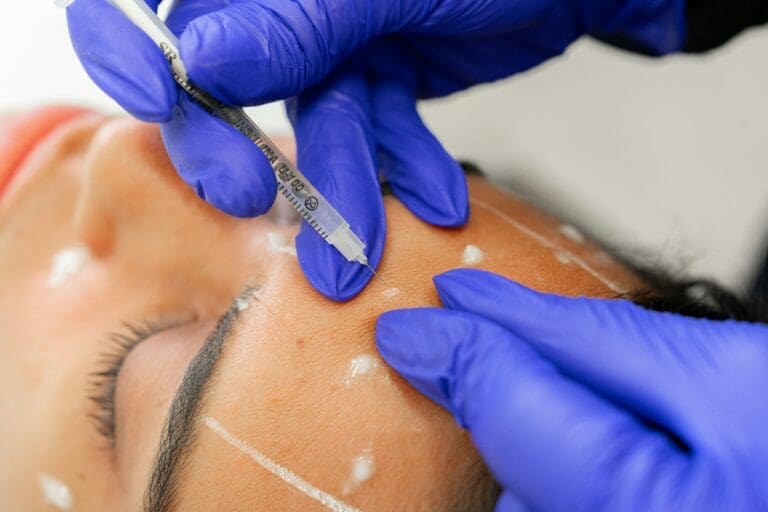
Advancements in Regenerative Aesthetics and Wellness
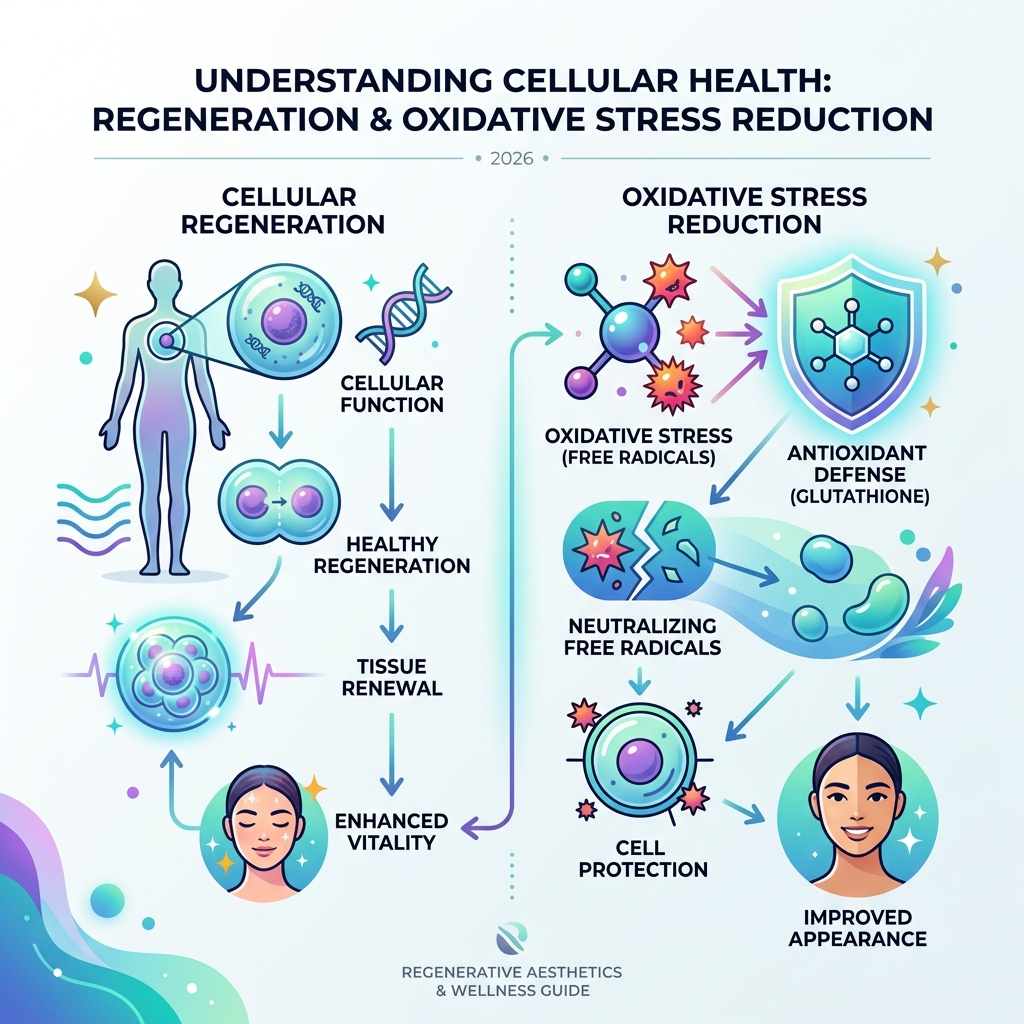
The pursuit of an even, luminous complexion is a common goal for many individuals seeking to enhance their appearance and well-being. In the dynamic world of Regenerative medical aesthetics, glutathione has garnered significant attention, often associated with claims of “skin bleaching.” This powerful, naturally occurring antioxidant plays a vital role in maintaining cellular health and combating oxidative stress, factors intrinsically linked to skin pigmentation and overall skin vitality.
This comprehensive guide aims to demystify glutathione’s purported skin-lightening effects. We will dissect its proposed mechanisms, evaluate the scientific evidence across various administration routes—or oral, topical, and intravenous—and address the critical safety concerns and ethical considerations. Our goal is to provide an evidence-based understanding, separating fact from marketing hype, to inform your decisions regarding glutathione’s place in achieving radiant, healthy skin.
Glutathione, a tripeptide molecule composed of cysteine, glycine, and glutamic acid, is often referred to as the body’s “master antioxidant.” Its ubiquitous presence in nearly all cells underscores its critical role in detoxification, immune function, and protecting cells from oxidative damage. In the context of modern regenerative medical aesthetics, glutathione has emerged as a compound of interest due to its potential influence on skin pigmentation. The fascination stems from observations that glutathione can interfere with melanin production, leading to a lighter skin tone. This involves several complex biochemical pathways, including the inhibition of the tyrosinase enzyme and a shift in the type of melanin produced by the body. Beyond its direct impact on pigmentation, glutathione’s broader antioxidant function contributes to overall cellular health, which is vital for maintaining skin integrity and resilience against environmental stressors.
Mechanisms of Action in Skin Brightening
The proposed mechanisms by which glutathione lightens skin are multifaceted. Primarily, it is believed to act through the inhibition of tyrosinase, the rate-limiting enzyme in melanin synthesis. This inhibition can occur both directly, by chelating copper ions at the enzyme’s active site, and indirectly, by reducing free radicals that activate tyrosinase. Furthermore, glutathione is thought to promote a shift from the production of darker eumelanin to lighter phaeomelanin. This redirection of melanogenesis results in a lighter overall skin tone. By maintaining cellular redox balance, glutathione also helps prevent cytotoxicity and oxidative damage to melanocytes, which can contribute to irregular pigmentation. These intricate actions highlight glutathione’s potential to influence skin color at a fundamental biological level. For a deeper dive into the science behind these processes, a comprehensive review of mechanisms, efficacy, and safety can be found in specialized journals. For more general information on how skin lightening treatments work, you can explore resources on skin lightening.
Antioxidant Function and Cellular Health
Beyond its role in pigmentation, glutathione’s primary physiological function is its potent antioxidant capacity. As L-glutathione, the reduced form, it directly neutralizes free radicals and reactive oxygen species, protecting cellular components like DNA, proteins, and lipids from oxidative stress. This protective action is crucial for maintaining mitochondrial integrity and function, which are essential for cellular energy production and overall vitality. Glutathione also plays a pivotal role in detoxification pathways, assisting the liver in processing toxins and heavy metals. A healthy and robust antioxidant system, bolstered by optimal glutathione levels, contributes significantly to skin health by reducing inflammation, supporting repair processes, and enhancing the skin’s natural defense mechanisms against environmental aggressors. This holistic contribution to skin vitality is a key aspect of its appeal in regenerative aesthetics.
Evaluating Efficacy: Oral, Topical, and Intravenous Routes
The efficacy of glutathione for skin lightening varies significantly depending on its route of administration, largely due to differences in bioavailability and how the body processes the compound. Oral, topical, and intravenous (IV) methods each present unique pharmacokinetic profiles and clinical outcomes. Understanding these distinctions is crucial for assessing the true potential and limitations of glutathione in skin brightening.
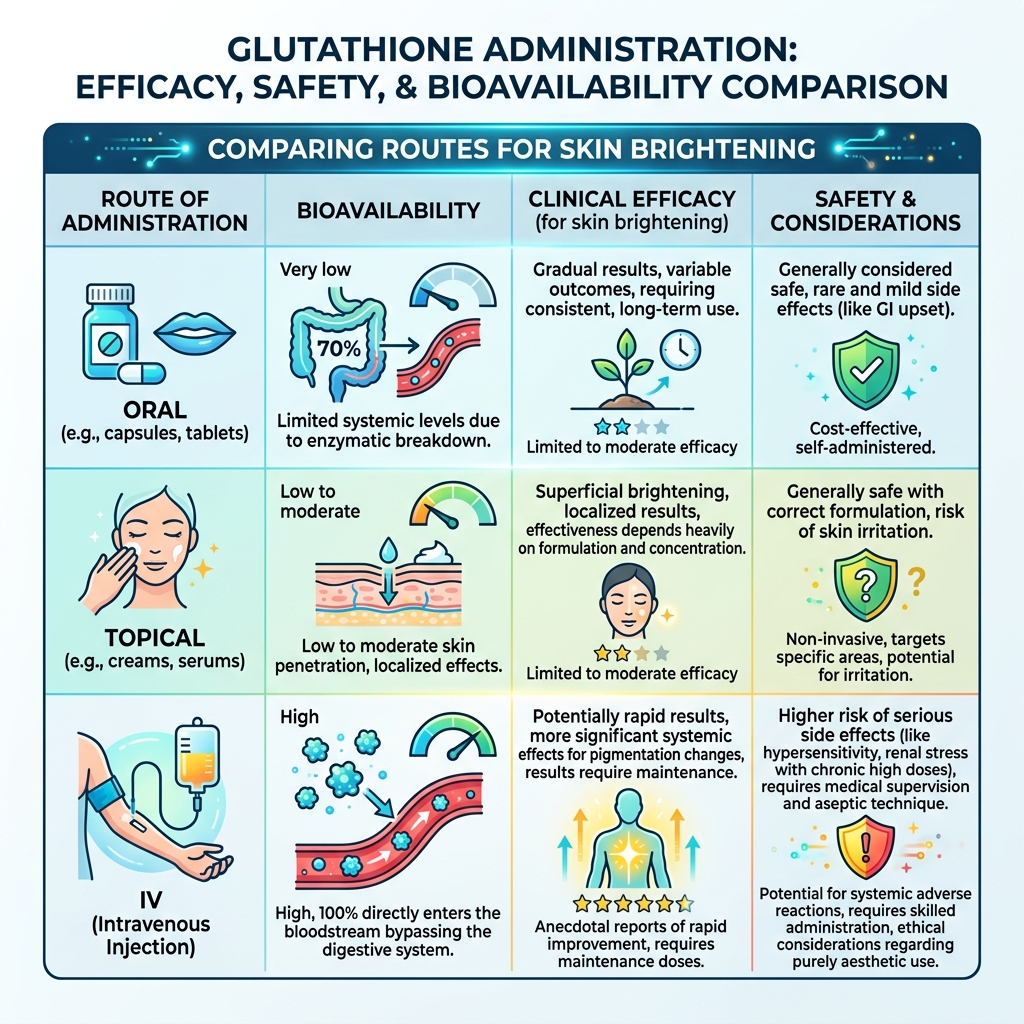
Bioavailability, the proportion of a drug that enters the circulation and is able to have an active effect, is a major challenge for oral glutathione. It is susceptible to hepatic hydrolysis by enzymes like gamma-glutamyl transferase in the digestive tract, which can significantly reduce the amount of intact glutathione reaching systemic circulation. Topical applications face hurdles related to skin penetration. In contrast, IV administration bypasses the digestive system, delivering glutathione directly into the bloodstream, though this route carries its own set of considerations, as we will explore.
Clinical Evidence for Oral and Topical Supplementation
Scientific research on oral and topical glutathione for skin lightening has yielded promising, albeit limited, results, predominantly from randomized controlled trials (RCTs). These studies often highlight a good safety profile for these routes.
- Oral Glutathione: Several studies have indicated that oral supplementation can lead to a reduction in melanin index. For instance, a daily dosage of 250mg of oral glutathione has been shown to significantly reduce melanin index after four weeks in some trials. Another study demonstrated moderate skin lightening in 90% of subjects using buccal glutathione. A randomized trial involving 60 participants noted a decrease in melanin index in sun-exposed areas with oral glutathione.
- Topical Glutathione: Topical formulations have also shown efficacy. A 0.5% topical glutathione concentration was found to be significantly more effective than 0.1% and placebo in reducing hyperpigmentation. In another trial, applying a 2% topical oxidized glutathione (GSSG) lotion twice daily for 10 weeks resulted in a reduced melanin index compared to placebo, alongside improvements in skin moisture and elasticity.
While these findings are encouraging, it’s important to note that many of these studies are relatively small, with varying methodologies and durations. The effects observed are generally gradual and may require consistent use over several weeks or months to become apparent. For more detailed insights into the evidence, a comprehensive review of systemic glutathione as a skin-whitening agent can be found in medical literature.
The Controversy Surrounding Intravenous Administration
Intravenous (IV) glutathione for skin lightening is perhaps the most contentious area, marked by a significant discrepancy between its widespread use and the lack of robust scientific evidence supporting its efficacy and safety. Despite its popularity in some regions, particularly in certain Asian countries, clinical trials have largely failed to demonstrate significant or lasting skin-lightening effects for IV glutathione.
One notable placebo-controlled IV glutathione study, the Zubair study, showed an improvement in 6 out of 16 (37.5%) patients in the treatment group compared to 3 out of 16 (18.7%) in the placebo group. However, the statistical significance (p=0.054) was marginal, falling just short of conventional thresholds, and the effects were often transient, fading after treatment cessation. The study also reported a high dropout rate, further limiting its generalizability. Critically, IV administration carries inherent risks, and unlike oral or topical forms, it bypasses the body’s natural protective barriers. The concept of rebound hyperpigmentation after discontinuing IV treatments is also a concern, as the underlying melanin production mechanisms are not permanently altered. The scientific community largely views the promotion of IV glutathione for cosmetic skin lightening as a “regnant myth” rather than an “evidence-based verity” due to the insufficient data and potential risks.
Safety Profiles and Regulatory Stances
The safety profile of glutathione varies dramatically with its route of administration, with intravenous use posing significantly greater risks compared to oral or topical applications. While oral glutathione is generally considered safe and topical forms are well-tolerated, IV glutathione has been associated with a range of serious adverse reactions.
These adverse effects can include renal dysfunction, thyroid imbalance, and severe dermatologic reactions such as Stevens-Johnson Syndrome (SJS) and Toxic Epidermal Necrolysis (TEN), which are life-threatening conditions. Liver enzyme elevation, indicating potential liver dysfunction, has also been reported in patients receiving IV glutathione. The lack of standardized protocols for IV administration, coupled with the absence of robust safety data, amplifies these concerns.
Risk Management in Medical Aesthetics
Given the potential for severe adverse effects, stringent risk management is paramount when considering glutathione in medical aesthetics. Regulatory bodies worldwide have taken different stances, reflecting the disparity in scientific evidence and safety concerns. The Philippine FDA, for instance, has issued strong public warnings against IV glutathione for skin lightening, citing adverse effects including renal dysfunction, thyroid dysfunction, and severe dermatologic reactions. In one IV glutathione trial by Zubair et al., liver dysfunction occurred in a concerning 32% (8 patients) of the treatment group, highlighting the significant risks.
In contrast, oral glutathione has generally been granted “Generally Recognized As Safe” (GRAS) status by the US-FDA. This regulatory divergence underscores the critical need for discerning between administration routes. The off-label promotion of IV glutathione for cosmetic purposes is a major concern for ethical practitioners. Patient screening, including a thorough medical history and baseline laboratory tests (e.g., renal and liver function), along with long-term monitoring, are essential for anyone considering such treatments, particularly for IV applications where risks are higher.
Global Regulatory Perspectives and Standards
Regulatory bodies globally have approached glutathione for cosmetic skin lightening with varying degrees of caution. In countries like India, the Central Drugs Standard Control Organisation (CDSCO) approves IV glutathione only for specific medical indications, such as alcoholic liver conditions, and explicitly not for skin lightening. This distinction between cosmetic and therapeutic classification is crucial. Many regulatory agencies emphasize that while glutathione may be approved for certain medical uses, its statutory approval does not extend to cosmetic skin lightening, especially via intravenous routes. This regulatory stance is driven by the lack of proven efficacy and the documented safety concerns. The demand for clear safety labeling and professional oversight remains high to protect consumers from unproven and potentially dangerous treatments.
Optimizing Results through Synergistic Therapies
Achieving optimal results with glutathione for skin brightening often involves combining it with other complementary therapies. The synergistic effect of these combinations can enhance efficacy, improve skin health, and prolong results.
One of the most common and well-supported combinations is glutathione with vitamin C (ascorbic acid). Vitamin C not only possesses its own skin-brightening properties by inhibiting tyrosinase but also helps regenerate glutathione in the body, boosting its antioxidant capacity. This combination can be particularly effective in reducing oxidative stress and enhancing the shift from eumelanin to phaeomelanin. Another critical factor for optimizing and maintaining results is consistent UV protection and sunscreen compliance. Sun exposure is a primary driver of melanin production and hyperpigmentation, rendering any lightening efforts less effective without diligent sun protection. Combination protocols that integrate oral or topical glutathione with vitamin C, alongside strict sun avoidance, tend to yield more noticeable and sustained improvements in skin tone. For those interested in exploring these combined therapies, information on glutathione with vitamin C for skin lightening or glutathione vitamin C infusion therapy can provide further details.
Factors Influencing Treatment Longevity
The longevity of skin-lightening effects from glutathione is influenced by several factors, including the individual’s baseline melanin levels, lifestyle choices, and the duration and consistency of treatment. Initial subtle changes may be observed within 3-4 weeks, with more noticeable or peak results typically appearing after 2-3 months of regular treatment. However, these effects are generally not permanent. Once glutathione supplementation is discontinued, the body’s natural melanin production can gradually revert to its original state, potentially leading to rebound hyperpigmentation. Lifestyle factors such as sun exposure, diet, and overall health play a significant role in maintaining results. Sustained benefits often require ongoing maintenance doses and adherence to a comprehensive skincare regimen.
Future Directions in Medical Aesthetics
The field of medical aesthetics is continuously evolving, and research into glutathione is exploring innovative approaches to enhance its efficacy and bioavailability. One promising area is the development of advanced delivery systems, such as liposomal delivery. Liposomal formulations encapsulate glutathione in lipid vesicles, which are thought to protect it from degradation in the digestive tract and improve its absorption and cellular uptake. Similarly, esterified forms like S-acetyl glutathione and GSH monoethyl ester are being investigated. These modifications aim to improve molecular stability and facilitate better melanosomal transport, potentially leading to more effective tyrosinase inhibition and skin lightening. As research progresses, these advancements could address current limitations and pave the way for more potent and reliable glutathione-based treatments in the future.
Ethical Considerations and Marketing Realities
The use of glutathione for skin lightening raises significant ethical considerations, particularly concerning issues of colorism and the pervasive influence of marketing hype. While the desire for an even skin tone is understandable, the promotion of glutathione for “skin bleaching” can inadvertently contribute to societal pressures that favor lighter skin, perpetuating harmful notions of beauty.
The pharmacosmeceutical industry’s aggressive marketing of glutathione, often without robust scientific backing, exploits these societal preferences. This creates a complex landscape where patient psychology, driven by cultural ideals, intersects with commercial interests. Distinguishing between ethical medical treatments for hyperpigmentation and purely cosmetic “bleaching” is crucial. The British Medical Journal has critically discussed the unethical nature of skin bleaching with glutathione, emphasizing the need for regulatory and ethical oversight.
Addressing Colorism and Cultural Expectations
Colorism, the discrimination based on skin tone, is a global issue that heavily influences the demand for skin-lightening products. When glutathione is marketed as a “skin bleaching” agent, it taps into and reinforces these deep-seated cultural expectations that equate lighter skin with beauty, status, or desirability. This can lead to the cosmetic misuse of potent agents, where individuals seek to lighten their constitutive skin color rather than address specific pigmentary disorders. Healthcare professionals have a responsibility to engage in informed consent discussions that go beyond mere risks and benefits, addressing the psychological impact and societal implications of such treatments. Professional ethics demand a focus on health and well-being, steering clear of practices that could exacerbate colorism. For a broader understanding of skin lightening services, including those for specific areas, you might find resources on intimate skin lightening or underarm skin lightening helpful.
Distinguishing Medical Treatment from Cosmetic Bleaching
It is vital to distinguish between the medical treatment of hyperpigmentation disorders, such as melasma or post-inflammatory hyperpigmentation, and the broader concept of cosmetic skin bleaching. Medical treatments aim to correct uneven skin tone or reduce excessive pigmentation caused by underlying conditions. In this context, glutathione, particularly oral and topical forms, is being explored as an adjunct therapy for conditions like melasma, with some systematic reviews and meta-analyses indicating its potential role. However, this differs fundamentally from the pursuit of lightening one’s natural, healthy skin tone for purely aesthetic reasons, a practice often associated with unregulated products and dangerous methods. The challenge lies in separating evidence-based verity from marketing hype, ensuring that treatments offered are safe, effective, and ethically sound. For questions related to various skin lightening concerns, you can ask Dr. Sethi for skin lightening advice.
Frequently Asked Questions about Glutathione
How long does it take to see visible results from glutathione?
The timeline for visible results from glutathione varies depending on the administration route, dosage, individual skin type, and consistency of use. For oral and topical applications, subtle improvements may begin to appear within 3-4 weeks, with more noticeable changes often observed after 2-3 months of consistent treatment. However, these effects are typically gradual and not as dramatic as some chemical bleaching agents. Intravenous glutathione, while sometimes showing quicker initial changes, often lacks sustained efficacy, with effects fading after discontinuation.
Is intravenous glutathione safer than oral supplementation?
No, intravenous glutathione is generally considered less safe than oral supplementation for cosmetic skin lightening. Oral glutathione, particularly in its reduced form, has been granted GRAS (Generally Recognized As Safe) status by the US-FDA. While topical applications also have a good safety profile, IV glutathione bypasses the body’s natural defenses and has been associated with severe adverse effects, including renal dysfunction, thyroid imbalance, liver enzyme elevation, and life-threatening dermatologic reactions like Stevens-Johnson Syndrome. Regulatory bodies, such as the Philippine FDA, have issued explicit warnings against its use for skin lightening due to these risks and the lack of proven efficacy.
Can glutathione be used to treat specific conditions like melasma?
Yes, glutathione is being investigated as a potential treatment or adjunctive therapy for hyperpigmentation disorders like melasma. Its proposed mechanisms, including tyrosinase inhibition and antioxidant effects, make it a candidate for managing these challenging conditions. Systematic reviews have explored its role, and some studies suggest that oral and topical glutathione, sometimes in combination with other treatments like microneedling, can help reduce melasma severity. However, it is not typically a first-line treatment and is often used as part of a broader, medically supervised regimen. The efficacy can vary, and more large-scale, long-term studies are needed to establish definitive treatment protocols. For general information on skin lightening, including options for various conditions, you can explore services like skin lightening.
Conclusion
In the evolving landscape of regenerative aesthetics, glutathione presents a fascinating, yet complex, case study. While its role as a master antioxidant and its potential mechanisms in influencing skin pigmentation are well-established, the journey from biochemical theory to proven clinical efficacy for skin lightening is still ongoing. We have seen that oral and topical forms show some promise with relatively good safety profiles, supported by a growing body of randomized controlled trials. However, the widespread enthusiasm for intravenous glutathione for cosmetic purposes significantly outpaces the scientific evidence, with regulatory bodies issuing stern warnings due to safety concerns and a lack of proven, lasting efficacy.
An evidence-based practice is paramount. As researchers and practitioners, we advocate for patient safety, informed consent, and a holistic approach to wellness that respects individual health and ethical considerations. While glutathione may hold a place in future skin brightening protocols, particularly for specific hyperpigmentation disorders and in conjunction with other therapies, its use must be guided by robust research and medical supervision. Continued research, including larger, long-term studies and standardized protocols, is essential to fully understand glutathione’s potential and limitations in achieving radiant, healthy skin. For comprehensive information on advanced aesthetic treatments and personalized wellness plans, we encourage you to visit our services page for glutathione with vitamin C for skin lightening.