The Role of Hydrotherapy in Building Early Water Confidence in Infants
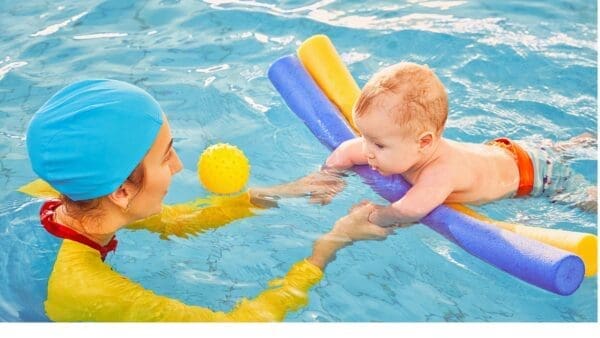
Building water confidence at an early age can shape how a child feels about swimming for life. For many parents, introducing an infant to water may seem uncertain, but hydrotherapy provides a structured and supportive way to make that experience positive. It focuses on comfort, gradual exposure, and natural movement rather than forcing skills too early.
Many programs offering newborn swimming lessons in Perth use hydrotherapy techniques to help infants get familiar with water in a calm and controlled setting. This approach allows babies to adjust at their own pace while feeling safe and supported.
Understanding Hydrotherapy for Infants
Hydrotherapy involves guided water-based activities in a warm and controlled environment. Babies are already used to a fluid setting from the womb, which makes water a familiar element. However, they still need time to adapt to this new experience outside that environment.
The buoyancy of water supports the infant’s body, allowing free movement without pressure on joints. This encourages natural actions like kicking and arm movement, helping develop coordination and awareness without strain.
Why Early Water Exposure Matters
Introducing infants to water early can reduce fear later in life, help them become competent swimmers, and find joy and wellbeing in water environments. When the experience is gradual and positive, babies begin to associate water with comfort instead of uncertainty. This early familiarity builds a strong foundation for future learning.
Hydrotherapy also stimulates sensory development. The feeling of water combined with movement can improve responsiveness and body awareness. Activities done in warm water can help soothe the nervous system. Some parents notice better sleep patterns after regular sessions.
Building Trust and Confidence
Confidence in water develops through consistency and trust. Hydrotherapy sessions usually follow a simple routine, helping infants feel secure. Repetition plays a key role in making the environment feel familiar.
Parental involvement is another important factor. When babies are supported by someone they trust, they are more likely to relax and engage. This emotional connection helps build confidence naturally over time.
Supporting Physical Development
Hydrotherapy supports early physical growth by encouraging movement in a low-impact environment. Water resistance helps strengthen muscles without causing stress on the body. Even simple activities like floating, grasping, or moving the legs contribute to muscle development.
It also helps improve balance and posture. As infants move in water, they learn how to control their body in different positions. These small improvements play a big role in overall coordination as they grow.
Reducing Fear Around Water
Fears can develop for a variety of reasons, but early activities in water in calm and controlled settings help form positive experiences for babies and foster confidence. Along with consistency, these can help children avoid developing fears or avoidance at a later stage, as well as develop resilience if a mistake occurs.
By keeping the environment predictable and comfortable, infants gradually build confidence. This reduces the chances of negative experiences and helps create a lasting positive connection with water.
The Importance of Consistency
Regular exposure is key to building water confidence. Consistent sessions help infants become familiar with the environment and improve their comfort level over time. Long gaps can make the experience feel new again, slowing progress.
Parents who maintain a routine often see steady improvement. Babies become more relaxed, more responsive, and more willing to move freely in water.
Transitioning to Structured Swimming
Hydrotherapy acts as a stepping stone toward more structured learning. Once infants are comfortable, they can move into kids swimming programs with greater ease.
Because they already feel familiar with water, the transition becomes smoother. They are more open to learning new skills and adapting to different movements.
Final Thoughts
Hydrotherapy is about building a strong and positive relationship with water from the beginning. It focuses on comfort, gradual exposure, and trust rather than pushing early results.
For parents, the goal is simple – help infants feel safe and confident in water. With the right approach and consistency, this early experience can make future swimming both easier and more enjoyable.