Understanding Dental Implants: Benefits, Procedure, and Aftercare
Embarrassed about gaps in your teeth?
Join the club. Roughly 178 million Americans who are missing at least one tooth and over 40 million are completely toothless. But here’s the thing…
Dental implants are now the preferred method of tooth replacement. They offer benefits that are way beyond aesthetics.
The problem is:
Most people don’t know what dental implants are or how they work. They assume it’s some sort of involved surgical procedure that’s going to leave their face swollen for weeks and cost thousands of dollars.
But this isn’t true.
In fact, when you really understand the process and the benefits of dental implants, you’ll see why they’re one of the best investments you can make for your teeth. Need top quality dental services for your needs? Whether you’re getting treatment at home or you’re having work done at a Martina Collins’ dental clinic, this guide to dental implants will help you make an informed decision.
You’ll learn:
- Dental Implants – What Are They?
- Why Dental Implants Are So Amazing
- The Dental Implant Procedure Step-By-Step
- Aftercare Tips For Long-Term Dental Implant Success
Dental Implants – What Are They?
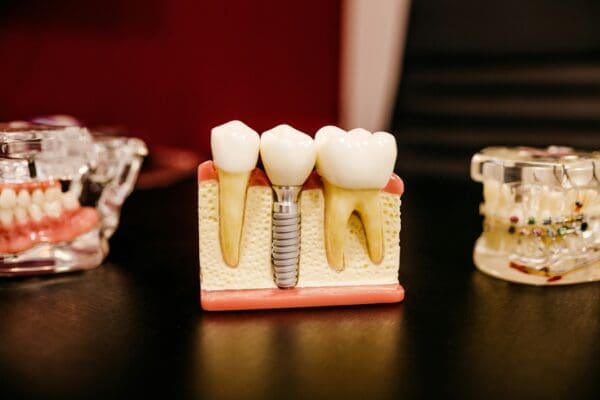
A dental implant is a titanium post that replaces the root of your missing tooth.
They’re essentially artificial tooth roots that are surgically inserted into the jawbone. After the implant has fused to your jawbone (a process called osseointegration), a crown is then attached to the top of the implant.
The result?
You have a tooth that looks, feels, and functions like your natural teeth. They’re independent of your other teeth, don’t shift around or fall out, and are stable and permanent. Titanium implants hold about 91.55% of the market because of their durability and long track record of success.
Pretty cool, huh?
But here’s what makes dental implants even more amazing…
Why Dental Implants Are So Amazing
You’re probably wondering if dental implants are really worth all the hype? Is it really worth shelling out several thousand dollars per implant?
Here’s the deal…
If you look past the expense, dental implants offer jaw-dropping advantages. Here are the top reasons why implants are the best solution for missing teeth.
A Smile To Die For
Okay, maybe that’s a little dramatic.
But missing teeth will affect more than your ability to chew. They impact your confidence and self-esteem, your speech, your ability to interact with others, and every aspect of your life.
Dental implants restore your natural smile. You can laugh, talk, and eat without being embarrassed or having to worry about gaps or slipping dentures.
Keeps Jawbone Healthy
Here’s a secret…
When you lose a tooth, you also lose the bone that used to support that tooth. The jawbone in that area starts to resorb, to shrink, because it’s no longer getting the stimulation from the tooth root.
Dental implants provide that stimulation and stop bone loss. They keep the jawbone healthy, stimulate the production of new bone cells, and prevent the sunken-in facial structure that’s so common in older people.
Lasts A Lifetime
This is where dental implants really start to separate themselves from the competition.
Dentures have to be replaced every 5 to 10 years and bridges have an average lifespan of 10 to 15 years. Dental implants, on the other hand, can last you the rest of your life if you take care of them.
Implants have a success rate of 98.6% at five years and 4 out of 5 implants will last 20 or more years with proper care.
This means:
- No more worrying about replacements.
- No more having to worry about replacement costs.
- No more having to deal with ill-fitting appliances.
Eat Whatever You Want
Missing teeth force you to give up the foods you love. Anything that’s hard or crunchy or chewy is now off-limits.
With dental implants, you can bite into an apple, enjoy corn on the cob or a juicy steak, and eat whatever you like.
The Dental Implant Procedure Step-By-Step
Afraid the procedure is going to be incredibly painful and involved?
The truth is:
Most patients say getting dental implants is far less painful than having a tooth pulled or a root canal. The actual placement of the implants is generally much easier than most people assume.
Consultation & Preparation
Your implant journey begins with a thorough evaluation by your dentist. They’ll inspect your mouth, take X-rays to check bone density, and develop a treatment plan.
Implant Placement
The actual dental implant placement procedure is simpler than you might think. Local anesthetic will be used, an incision made in the gum tissue, a hole drilled into the jawbone, the titanium implant placed in the hole, and then the gum tissue stitched up.
The entire process usually takes just 1 to 2 hours for each implant.
Healing Period
Next, comes the healing phase. Over 3 to 6 months, the implant fuses to your jawbone in a process called osseointegration. The implant becomes a permanent part of your jaw while your jawbone bonds with it by growing new bone cells.
Crown Placement
Once the implant has healed and fused, your dentist will take impressions, fabricate a custom crown to match your natural teeth, and attach that crown to your implant.
And that’s it.
You now have a brand-new, fully functional, artificial tooth that looks and feels like your natural teeth.
Aftercare Tips For Long-Term Dental Implant Success
Want your dental implants to last as long as possible?
Great aftercare is the key. But that’s not complicated.
The First Few Days
The first 2 or 3 days after surgery are the most important. Just remember to:
Do this:
- Apply ice packs for first 48 hours to reduce swelling.
- Take pain medication as prescribed BEFORE the numbness wears off.
- Eat only soft foods for first week.
- Don’t smoke for at least 2 weeks.
- Avoid vigorous rinsing for 24 hours.
Most patients will feel fully recovered within 2 weeks.
Maintenance
Here’s the thing about dental implants…
They require the same aftercare as natural teeth. It’s possible for the soft tissue surrounding the implants to become infected, so they need proper care.
So daily routine should include:
- Brushing your teeth twice per day using a soft-bristled toothbrush.
- Flossing the implant at least once per day.
- Use of antimicrobial mouth rinse.
- Regular dental checkups and cleanings.
Signs To Watch For
Pay attention for any unusual or persistent pain, swelling, bleeding around the implant, and bad taste. Contact your dentist right away if you experience these symptoms.
Lifestyle Habits
Certain lifestyle habits can influence the long-term success of your dental implants. Try to avoid smoking, excessive alcohol, teeth grinding, and using your teeth as tools. Practice regular exercise, balanced nutrition, and good oral health habits.
The Investment That PAYS Off
Dental implants aren’t cheap. A single dental implant can cost anywhere from $3,000 to $4,500.
But when you compare that cost to the alternatives over time, dental implants often become the most cost-effective solution. They restore your quality of life and you can eat whatever you want and smile with confidence.
Wrapping Things Up
Dental implants are one of the most innovative and advanced treatments in modern dentistry. With success rates of over 98%, dental implants are a permanent solution to missing teeth.
The procedure is straight-forward, recovery is well managed, and the results are life-changing. Whether you’re missing one tooth or several, dental implants can give you back your smile and your confidence.
The secret to long-term success is excellent aftercare. Follow your dentist’s instructions, practice good oral hygiene, and keep up with regular dental visits.
Don’t let missing teeth hold you back anymore.
Get started on the journey towards a complete, beautiful, confident smile. Consult with a qualified implant dentist to see if implants are the right solution for you.